Featured Article
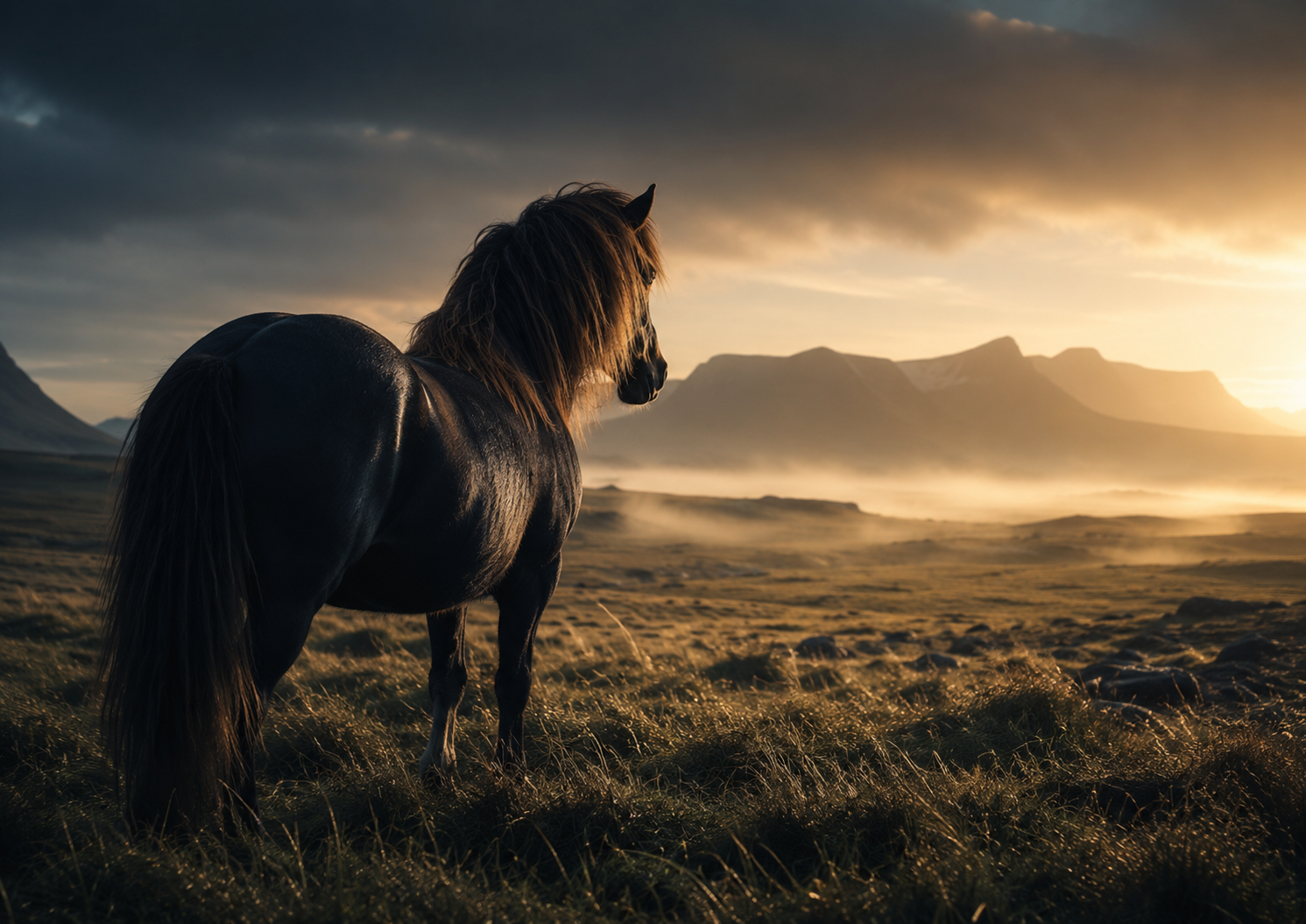
Observation Before Interpretation
Why the first discipline is not naming the horse, but noticing what is actually there.
 Inquire
Reflections, research, and timeless wisdom — delivered for horse owners who want to observe more deeply.
Featured Article
Why the first discipline is not naming the horse, but noticing what is actually there.
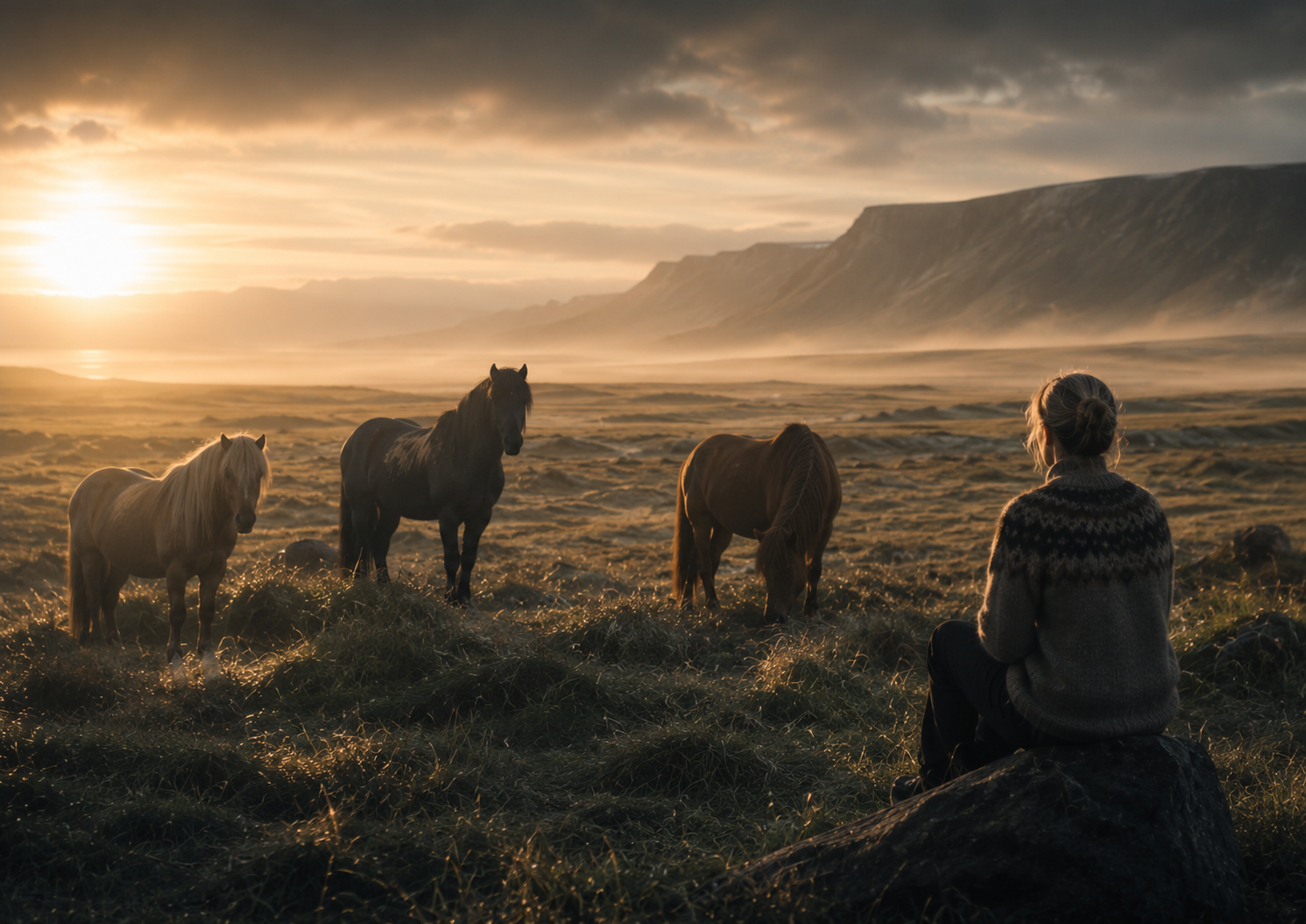
Why attention changes the quality of what a horse owner can learn.
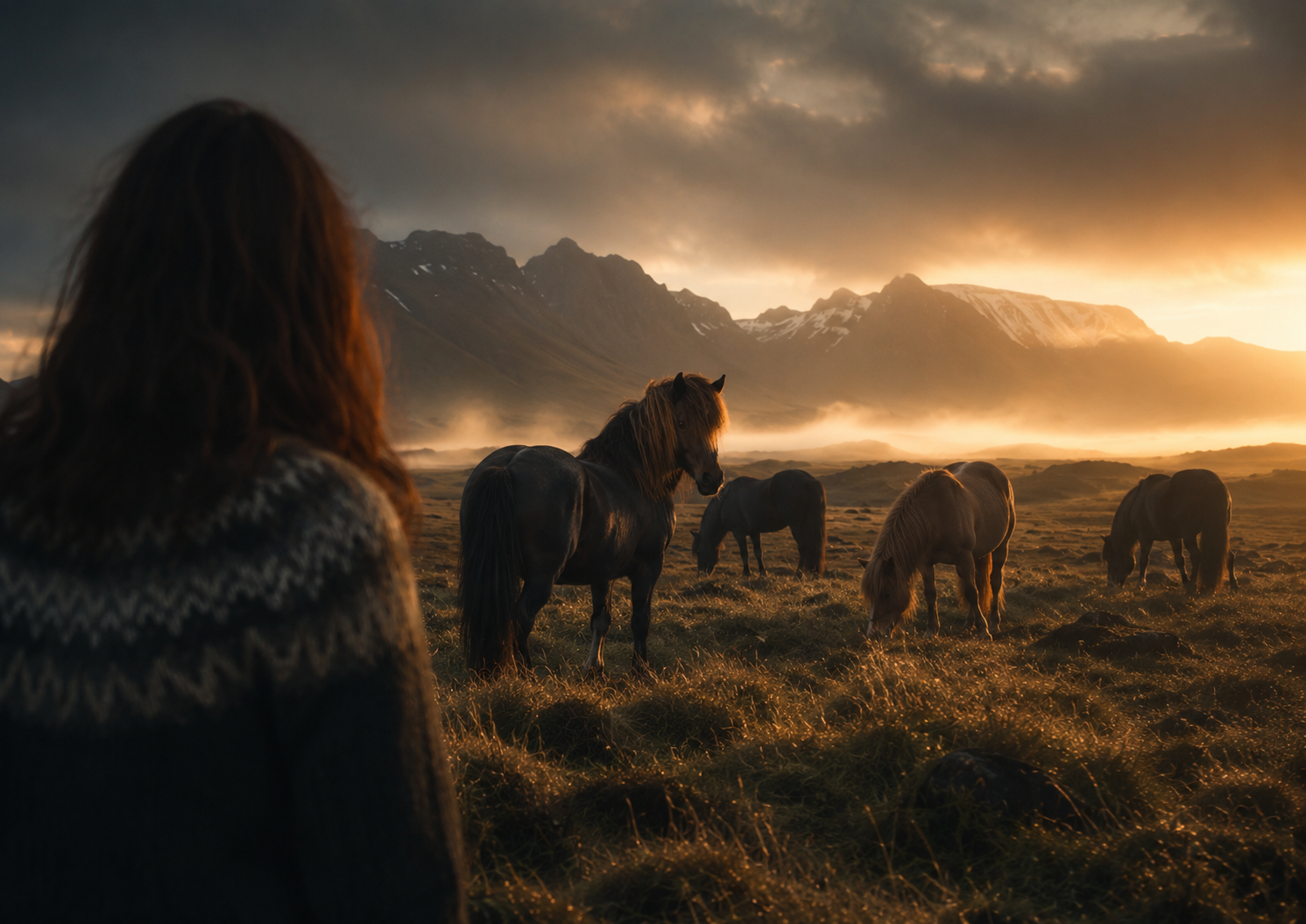
How small repeated events become information without turning the horse into a theory.
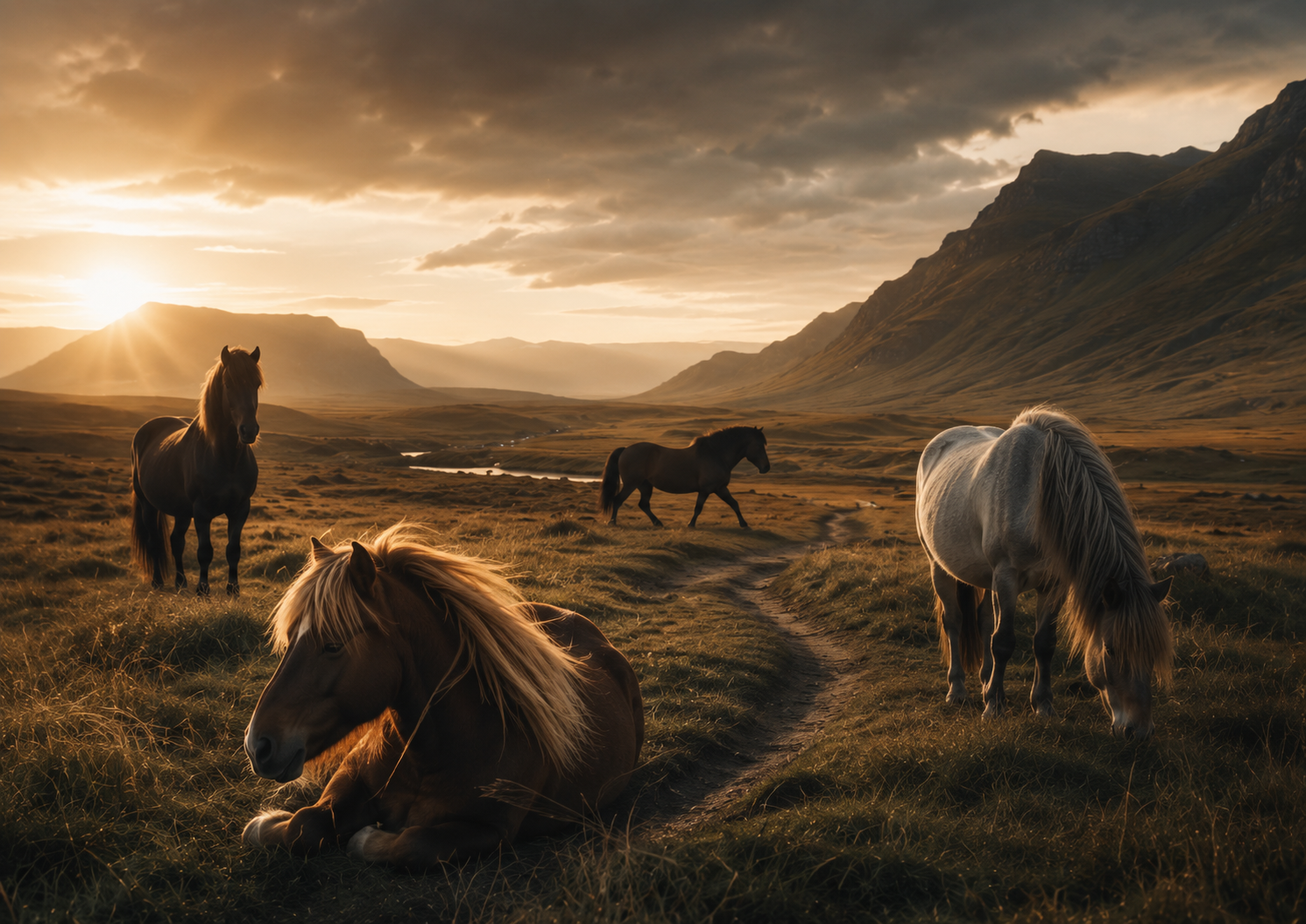
Why the first response at the gate can reveal more than a planned session.
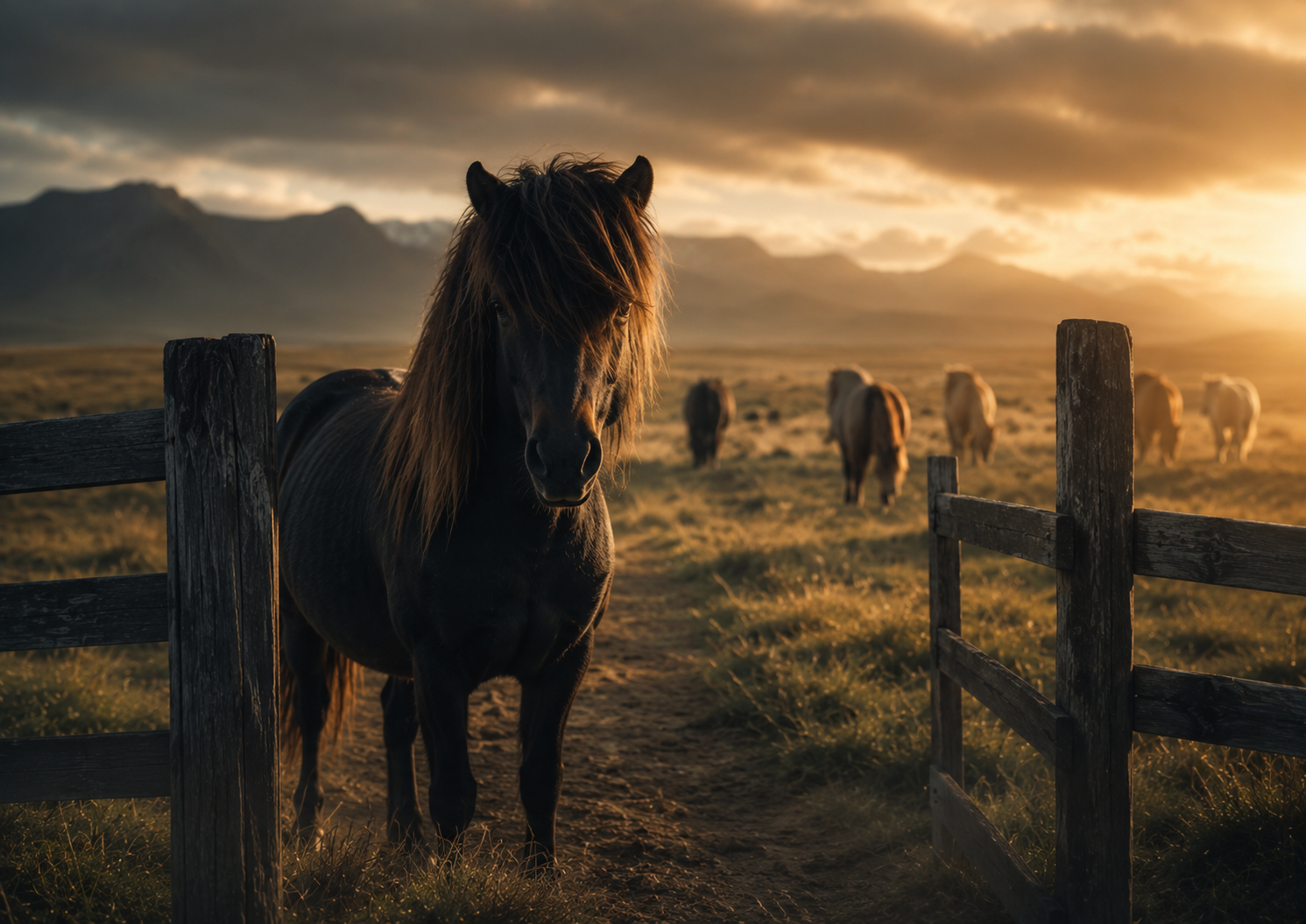
How the quiet second before movement can show comfort, uncertainty, or choice.
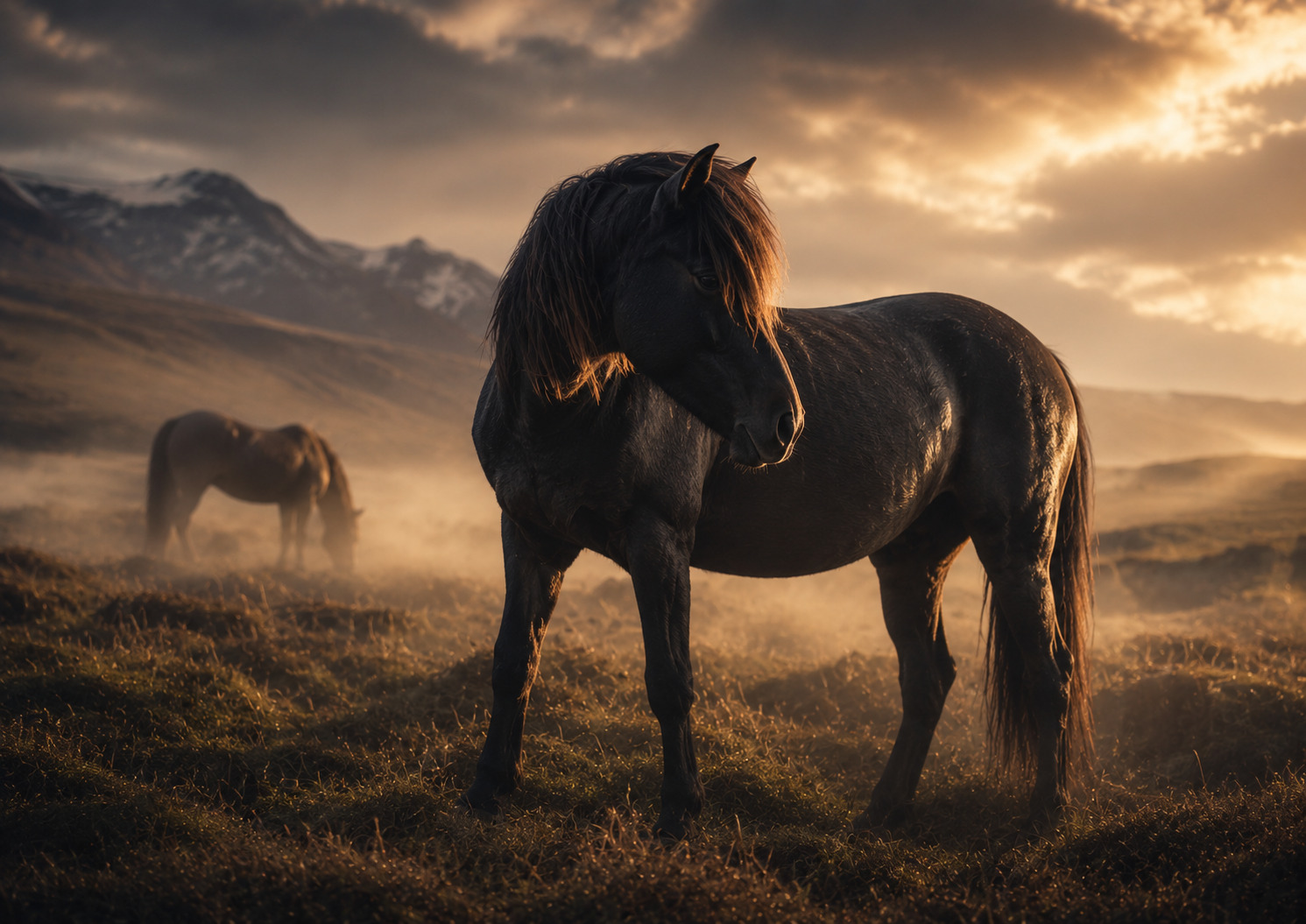
Why distance is not rejection, but one of the clearest forms of equine communication.
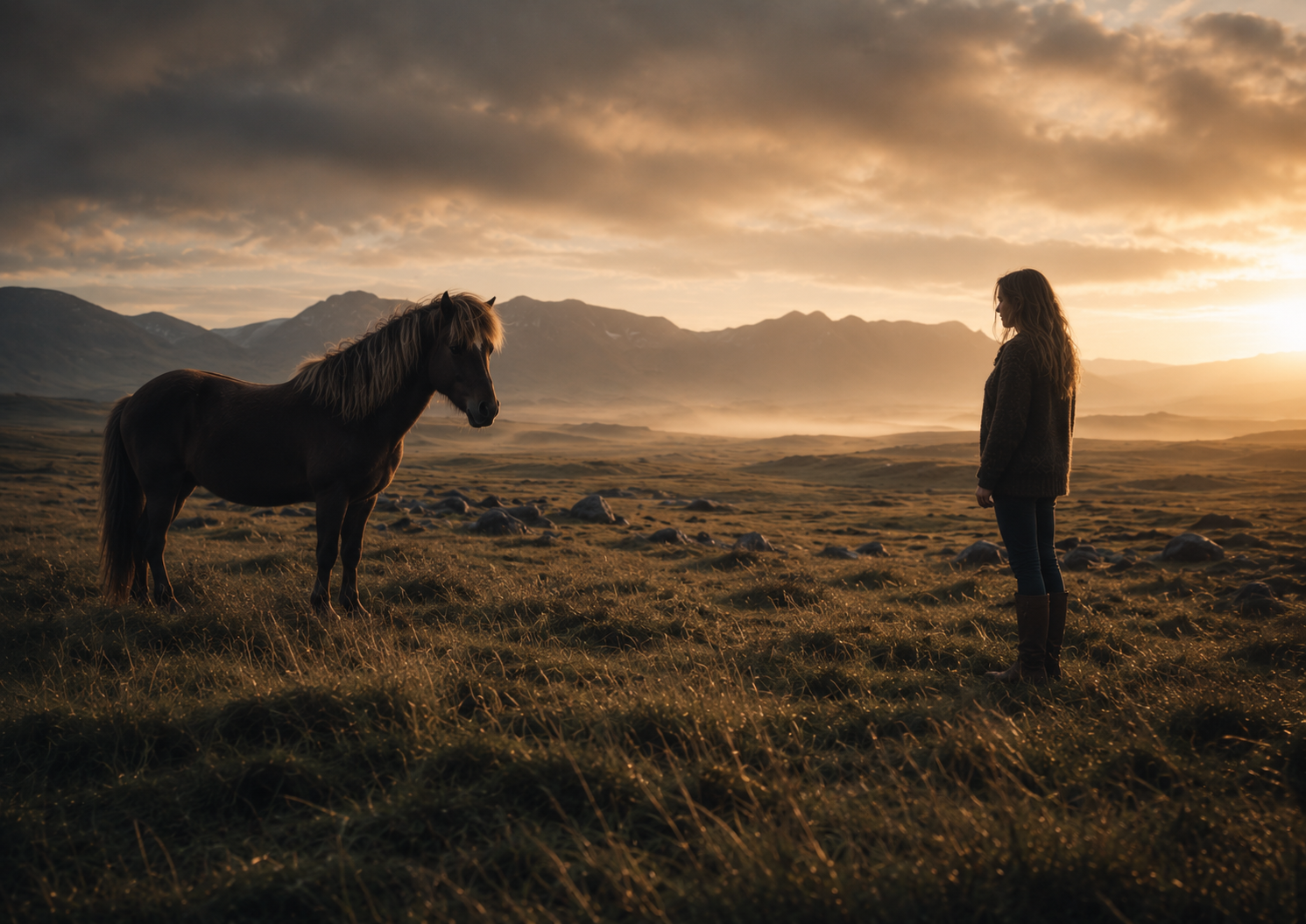
Why single-signal interpretations often miss what the horse’s whole body is saying.
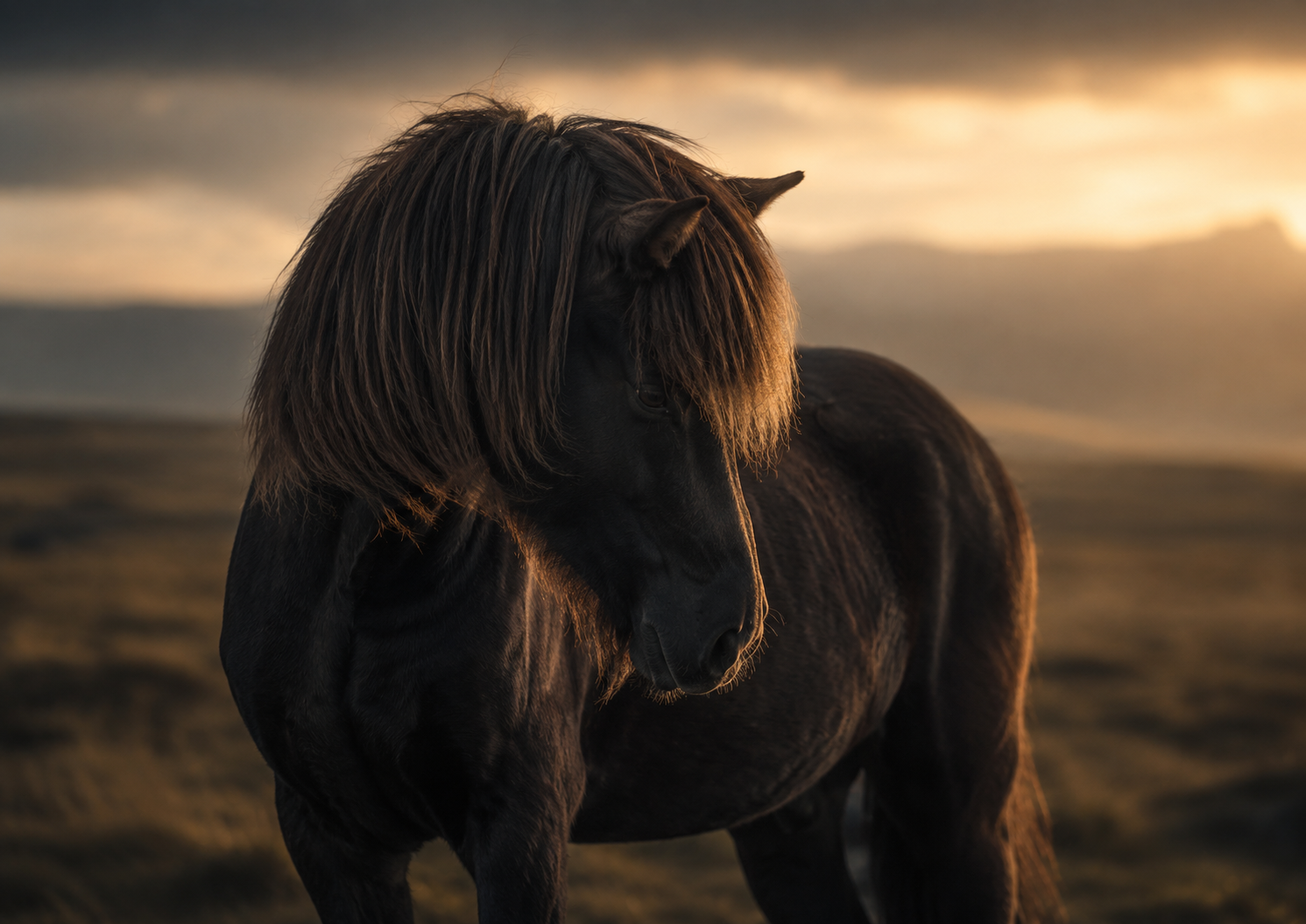
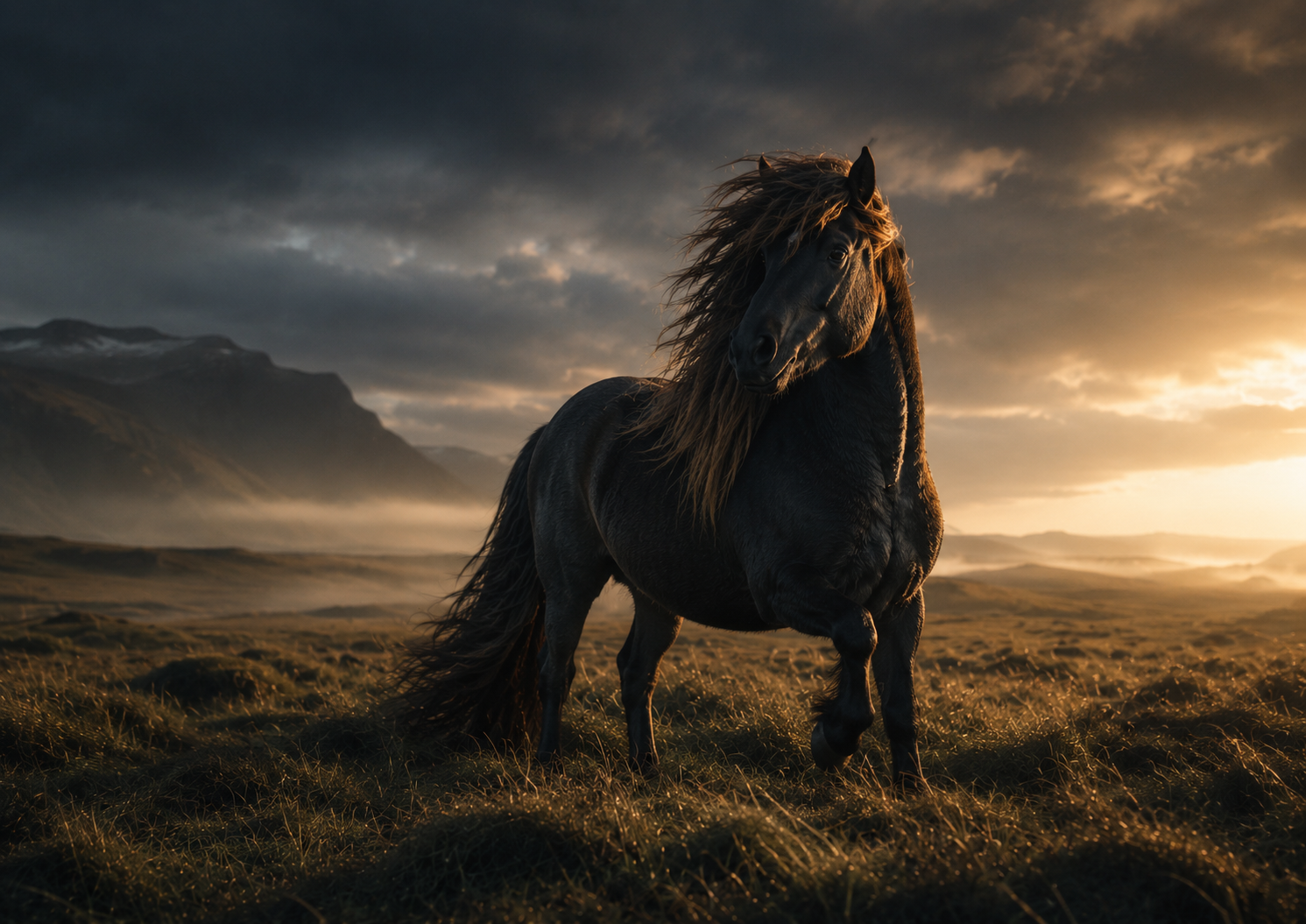
Why a horse’s trust is a judgement of reliability, not a behaviour installed by technique.
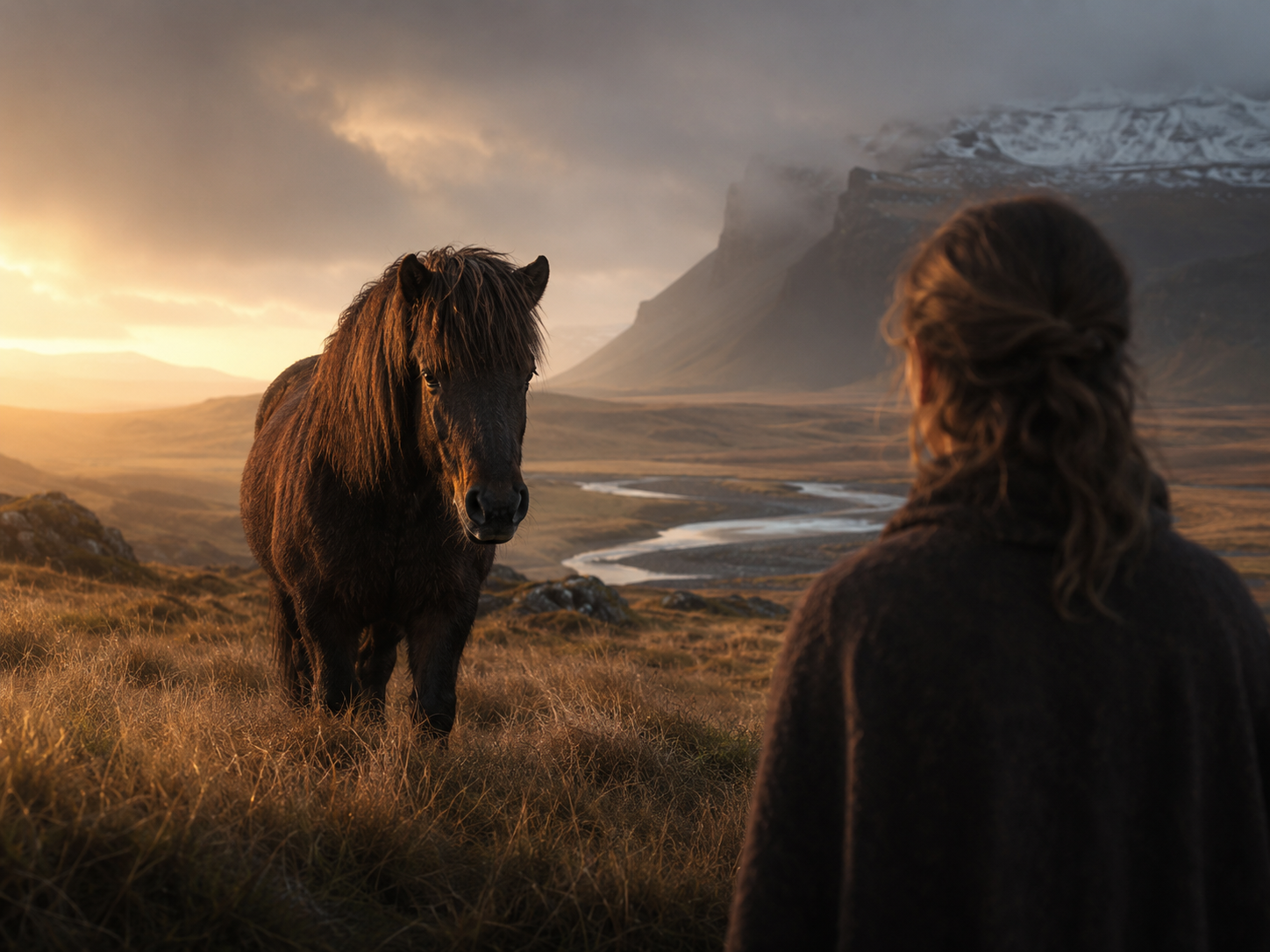
Why horses do not simply receive our actions; they assess our predictability, pressure, and safety.
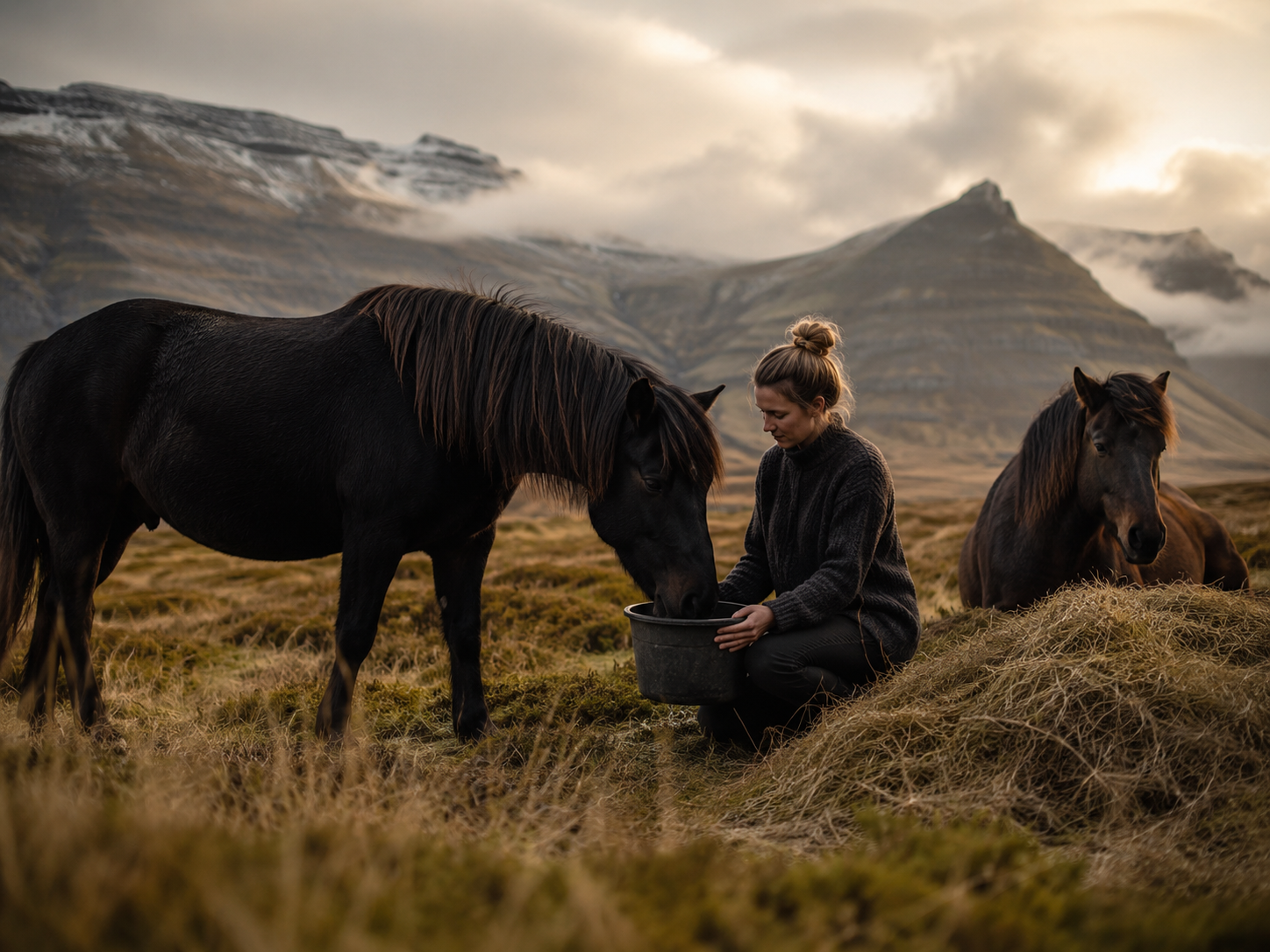
How ordinary repeated moments become the evidence a horse uses to trust or withdraw.
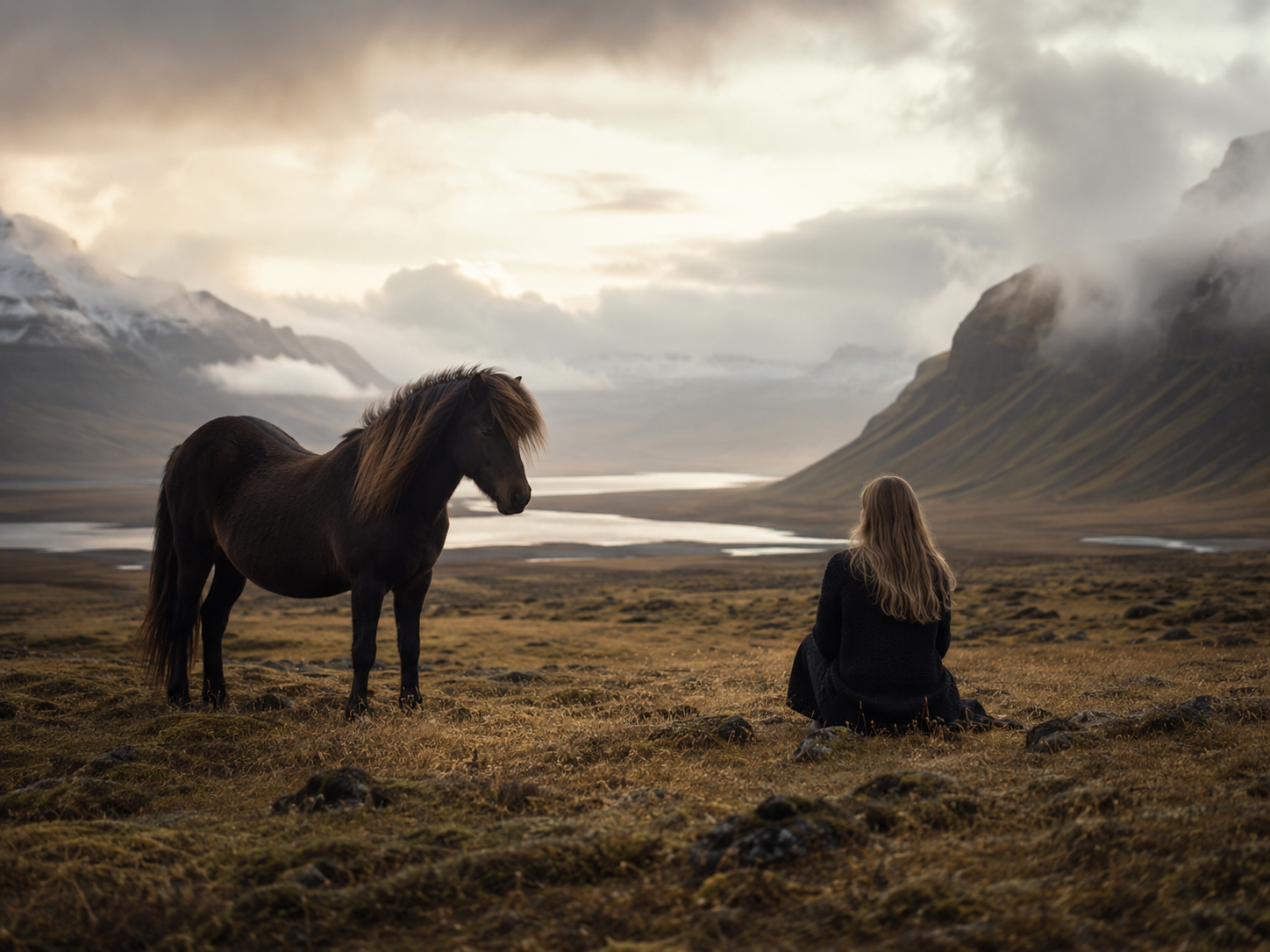
Why simply sharing space can be a real form of relationship when the horse keeps the right to choose.
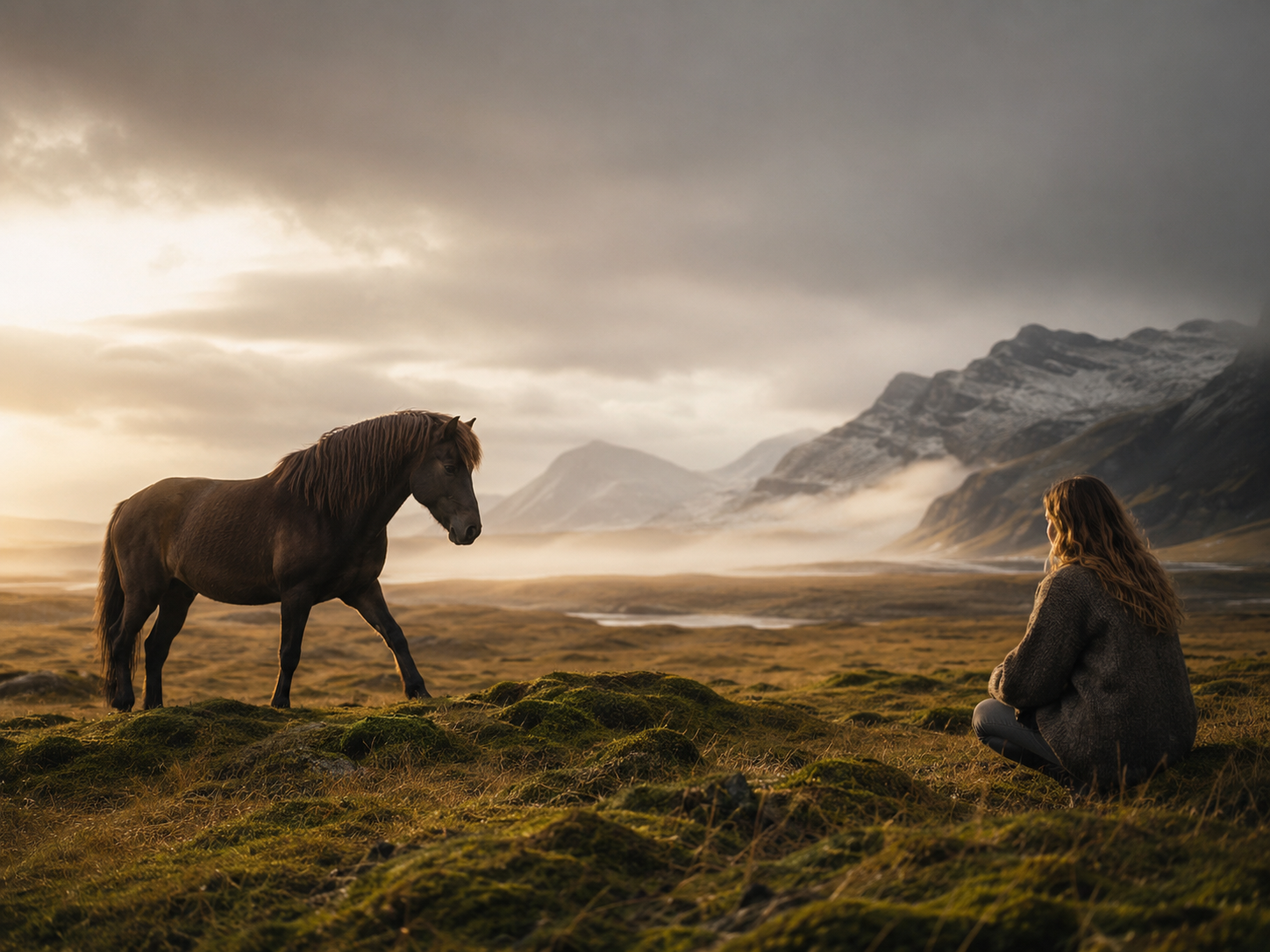
What changes when the horse, not the human, begins the interaction.
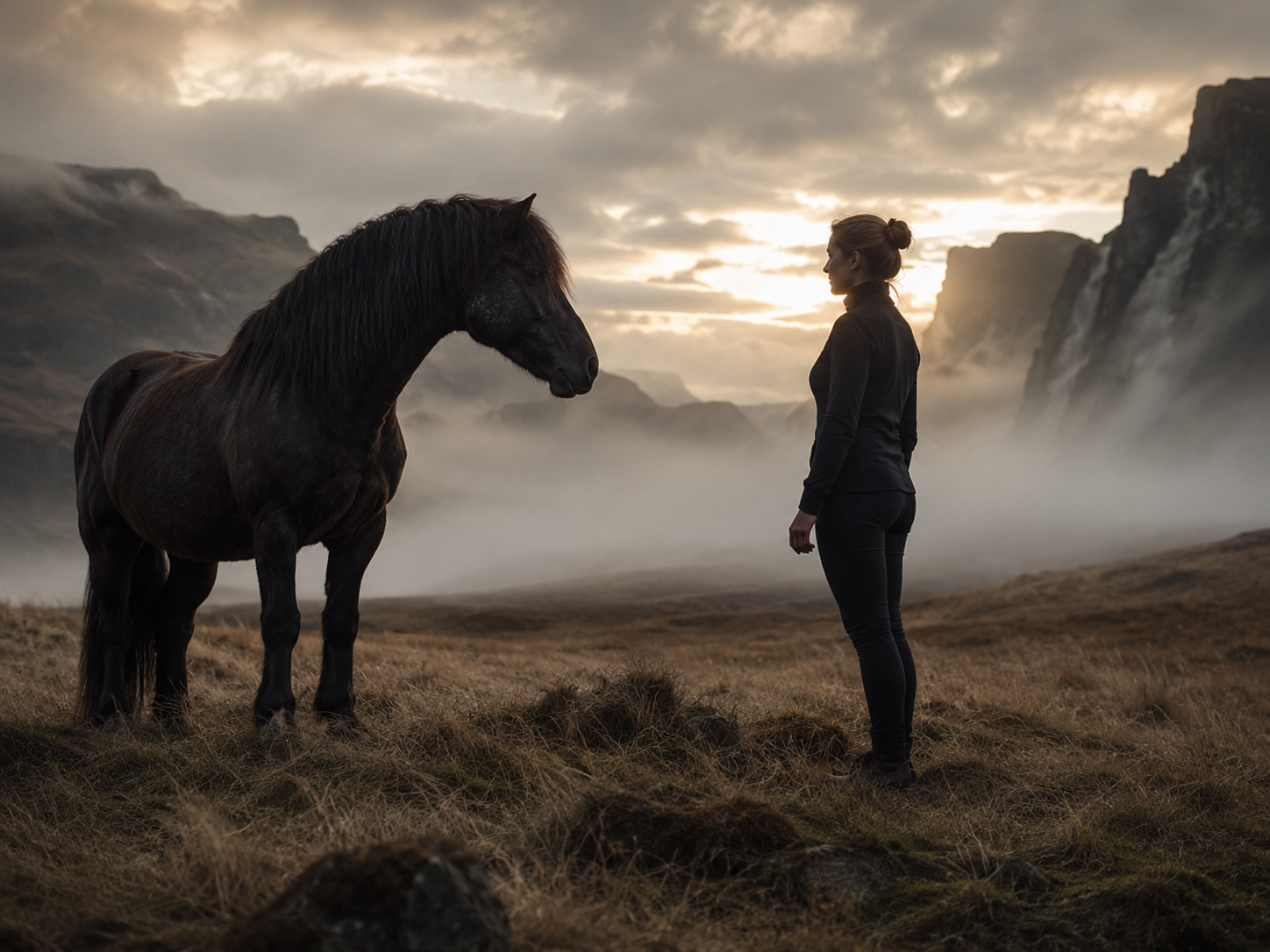
How posture, breathing, tension, and timing become information before a hand is ever raised.
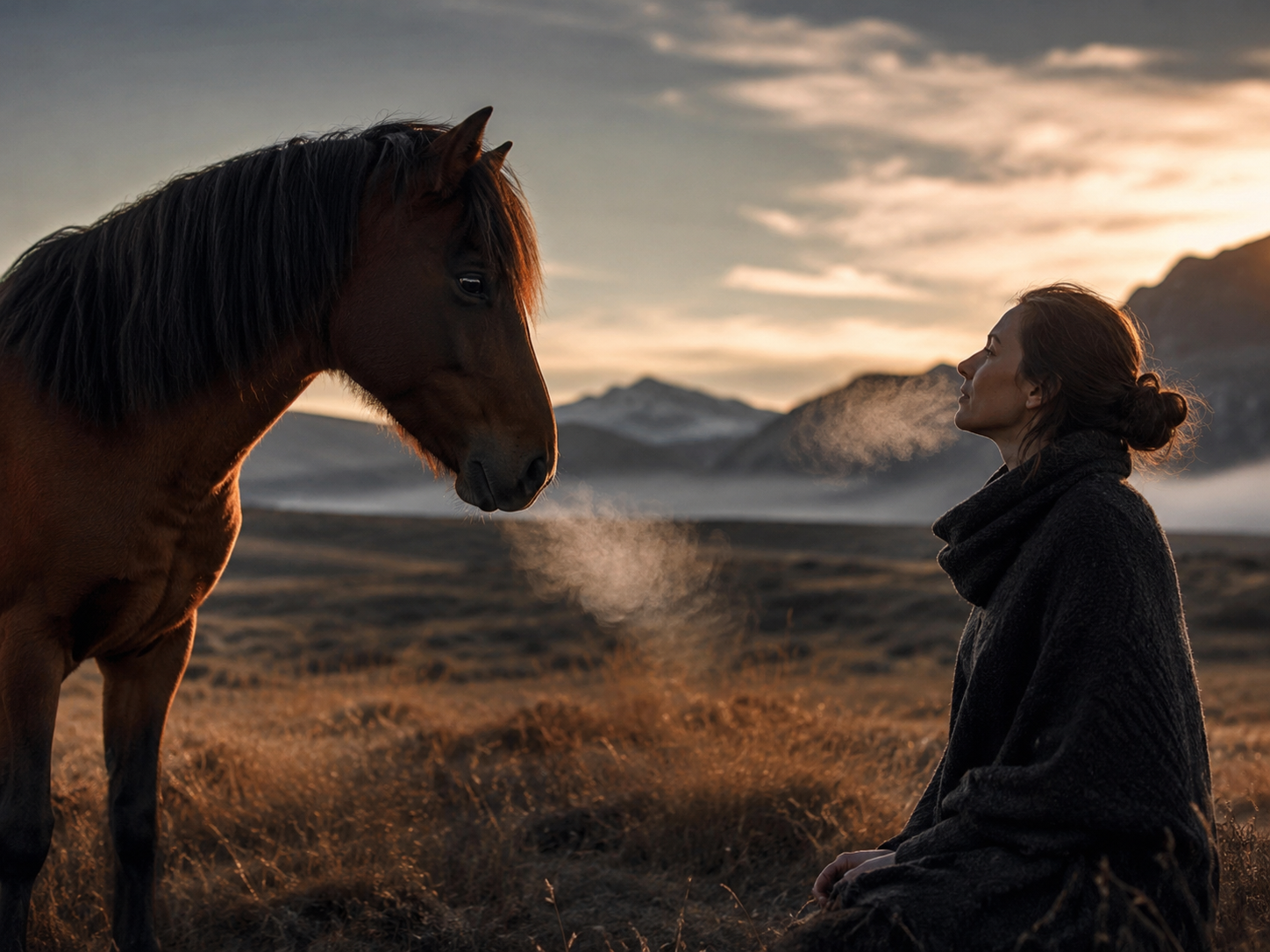
Why the horse can often read the body that the human has not yet noticed in himself.
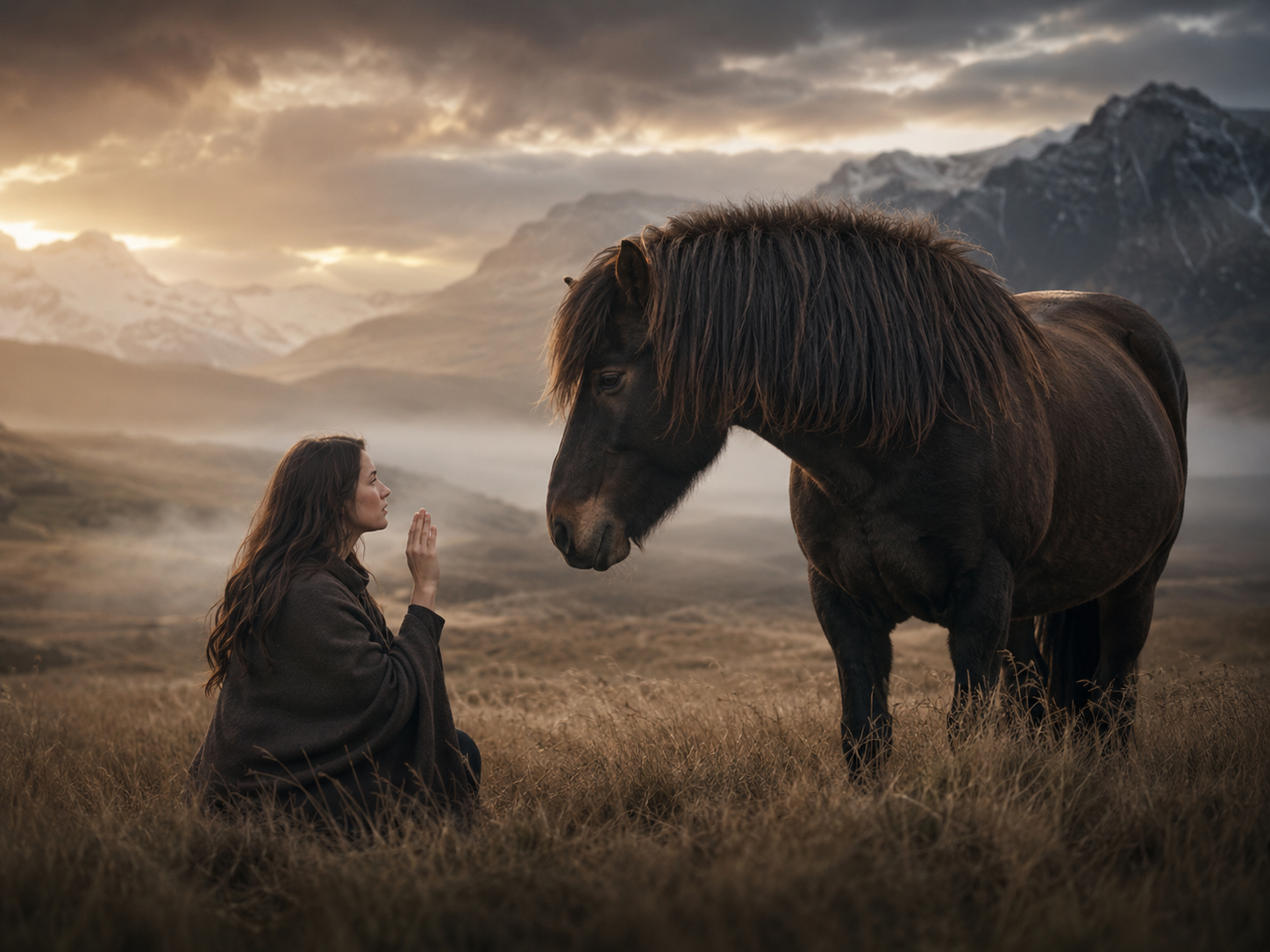
Why tone, rhythm, and emotional quality matter more than the words themselves.
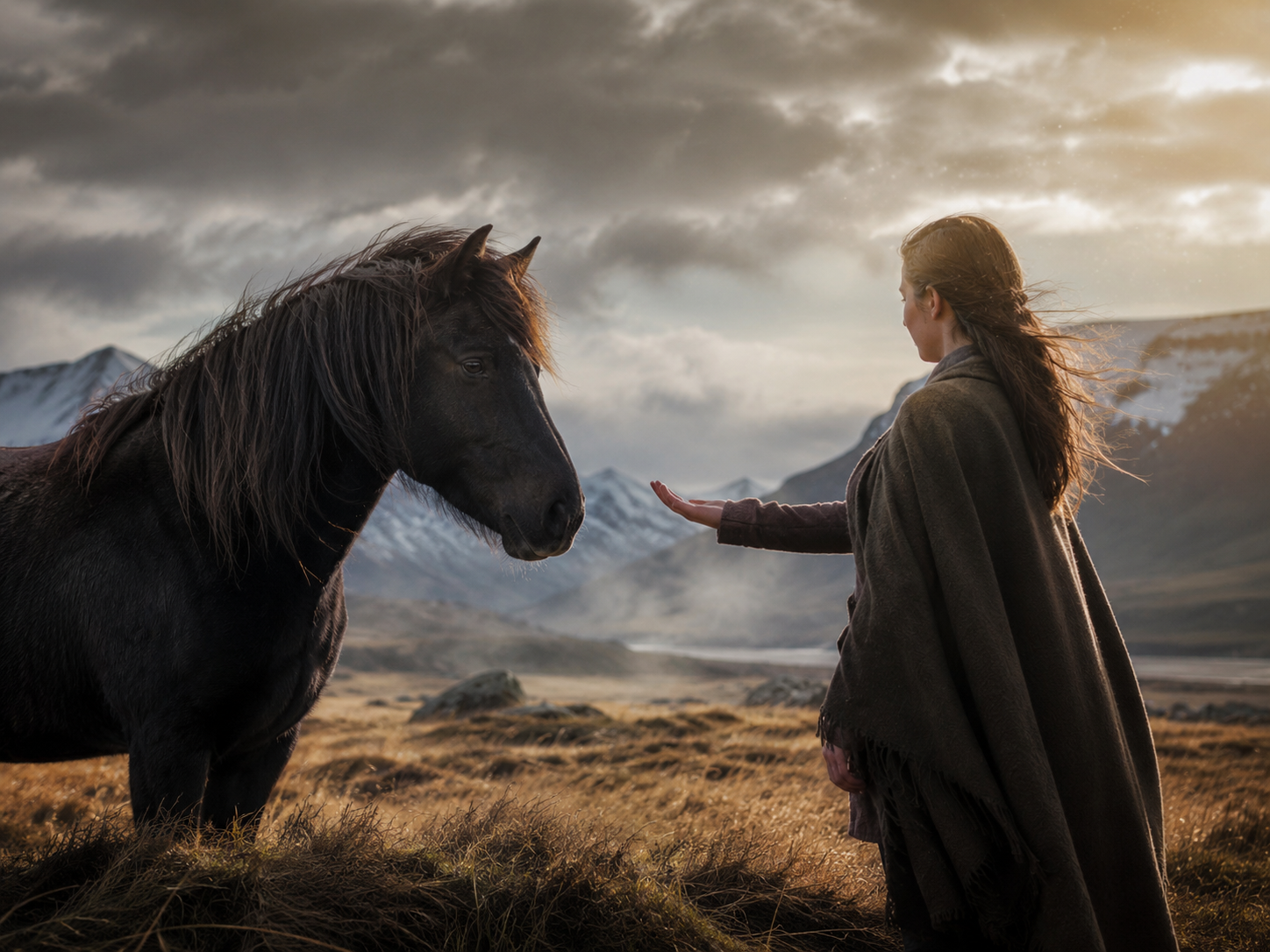
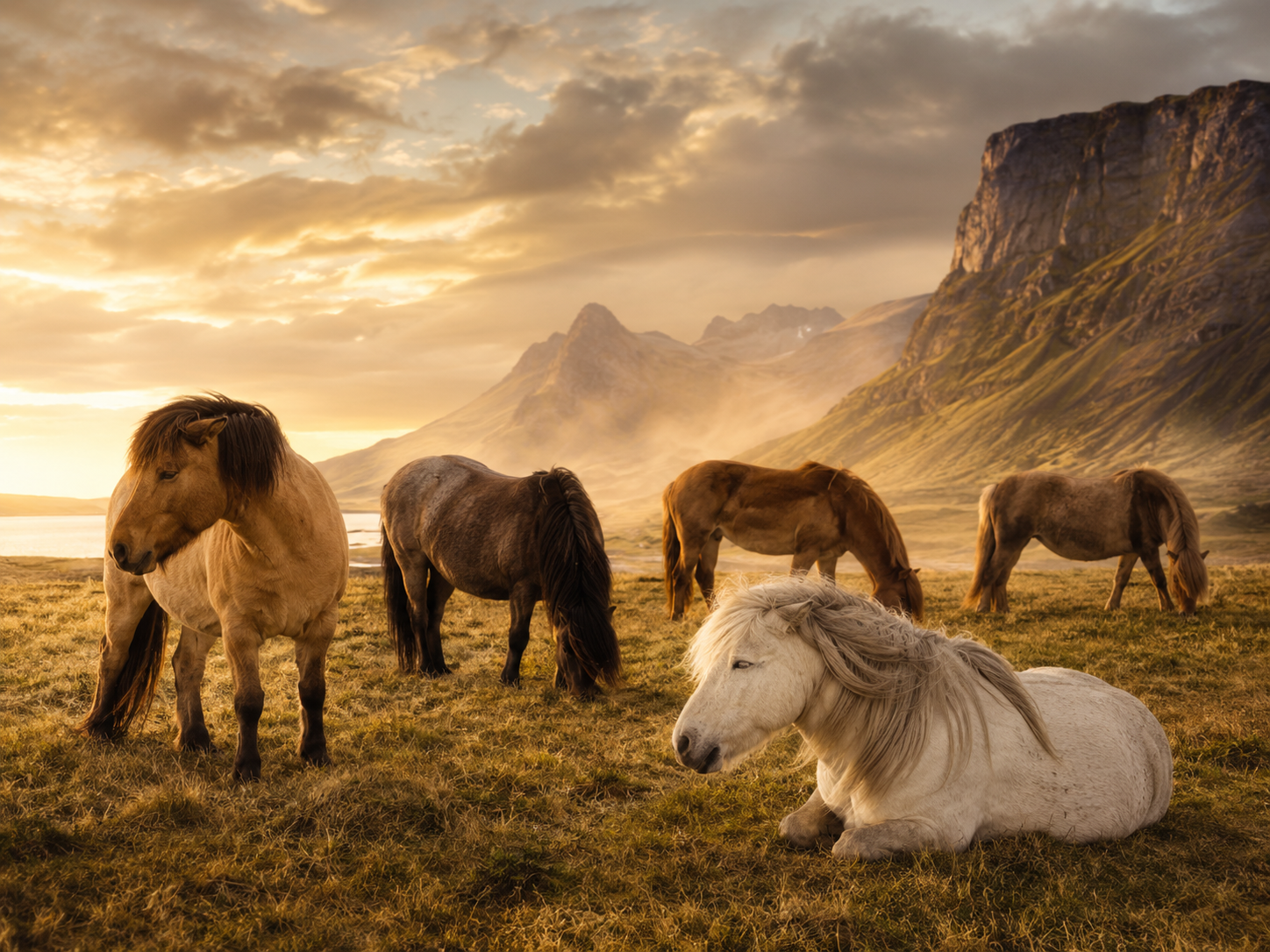
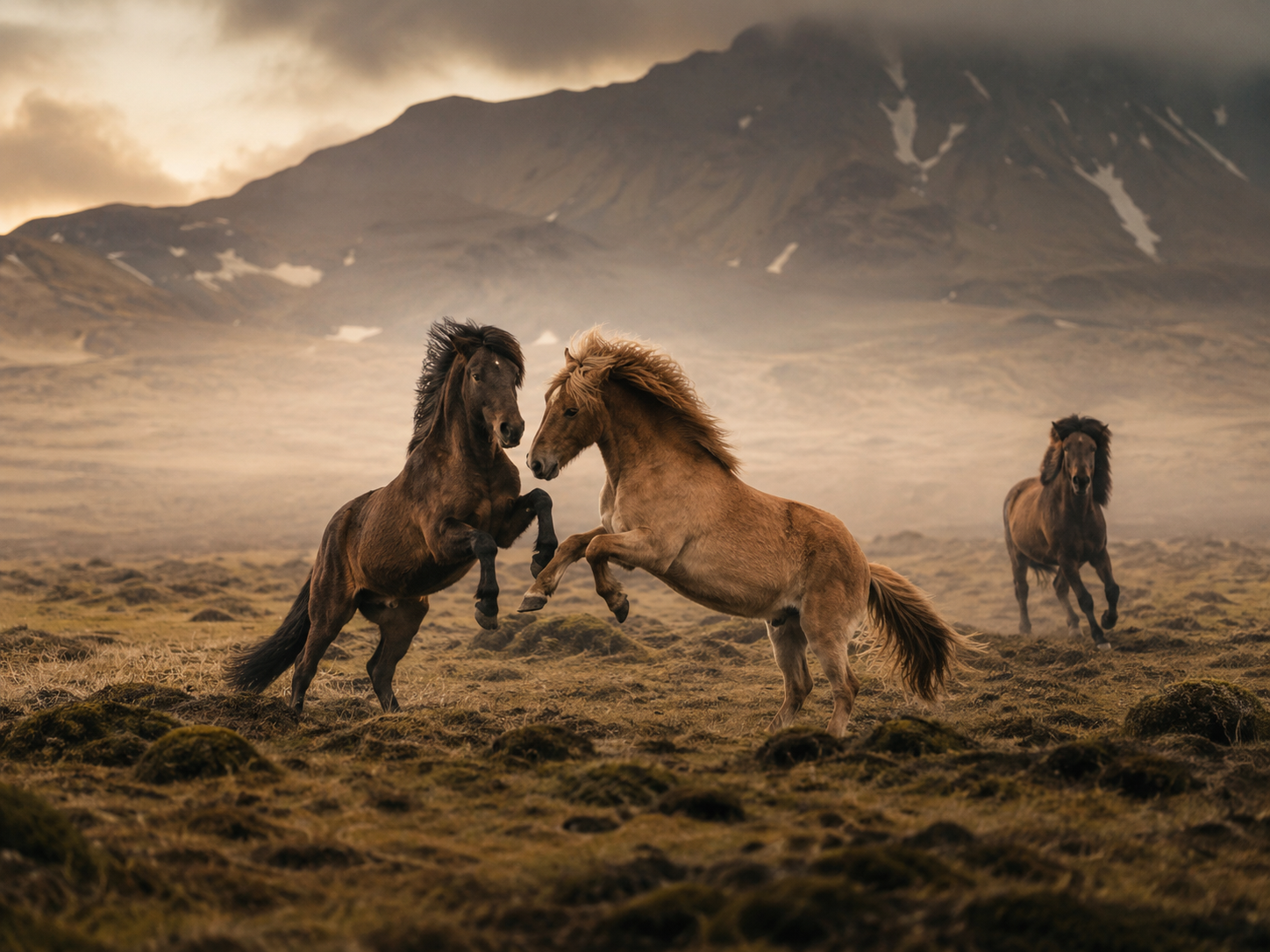
Why positive states matter, not only the absence of obvious distress.
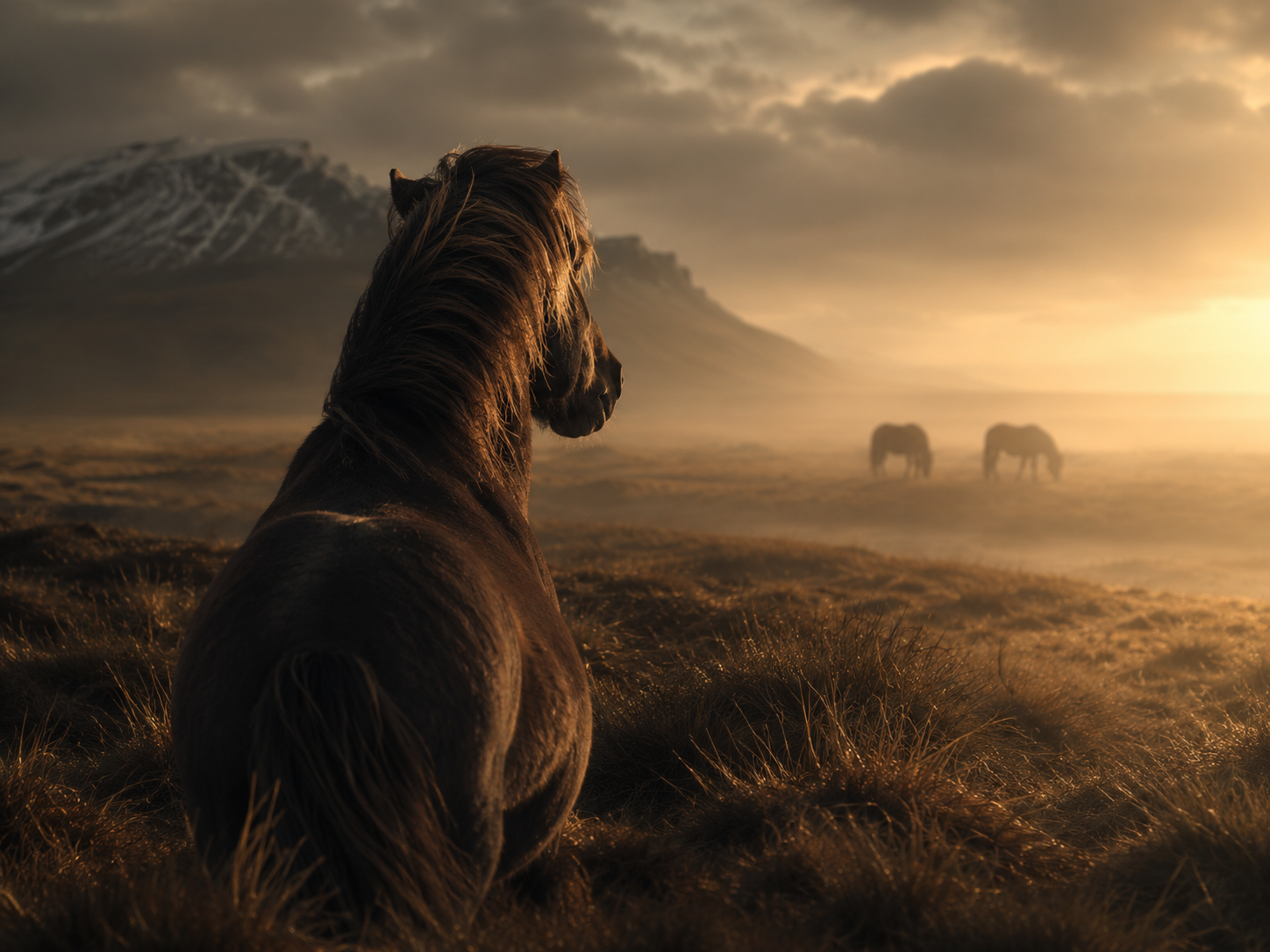
Why sharing space with horses is a different paradigm from improving control.
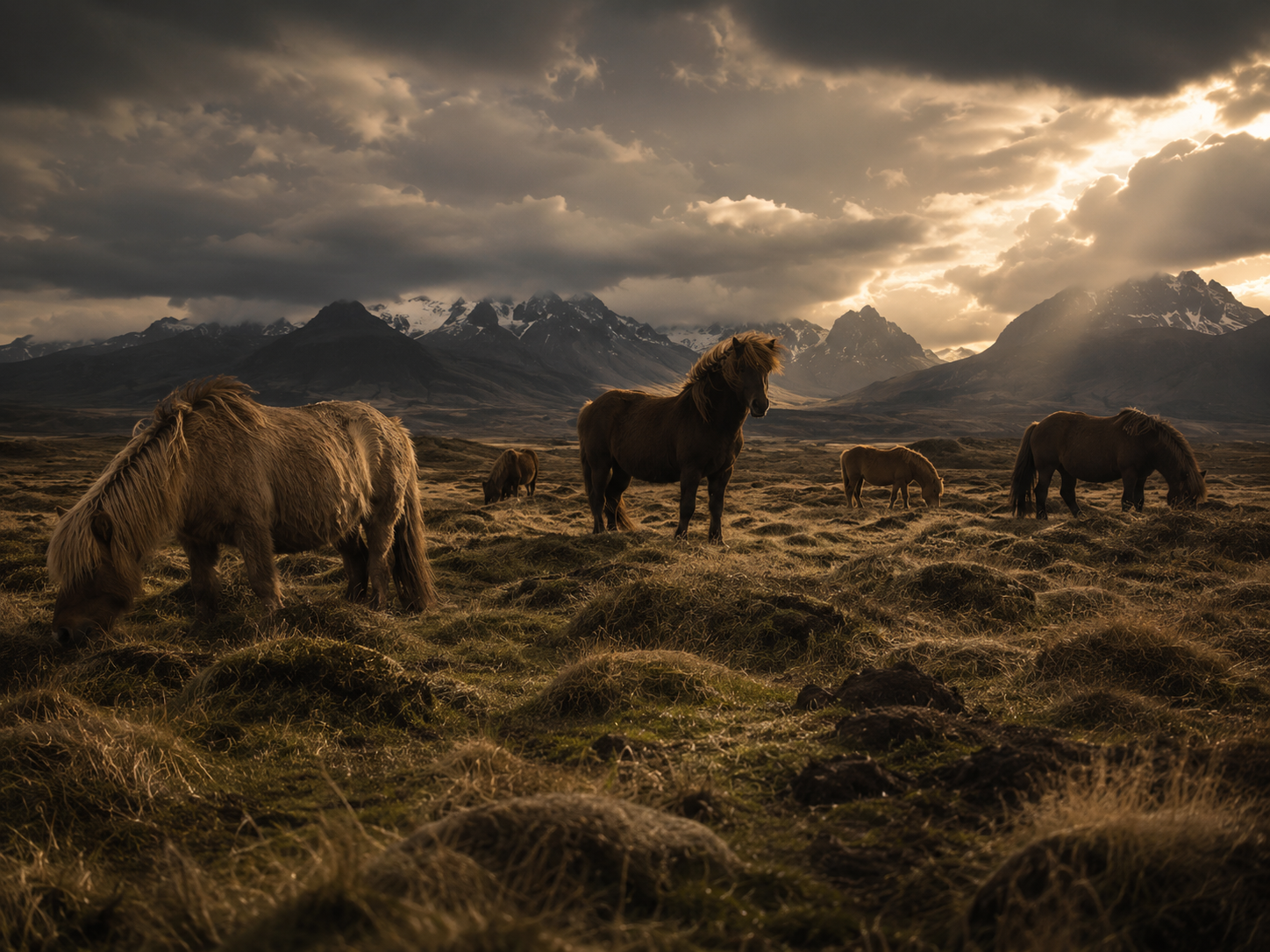
How soil, movement, plants, insects, weather, and herd life perform quiet work that humans often overlook.
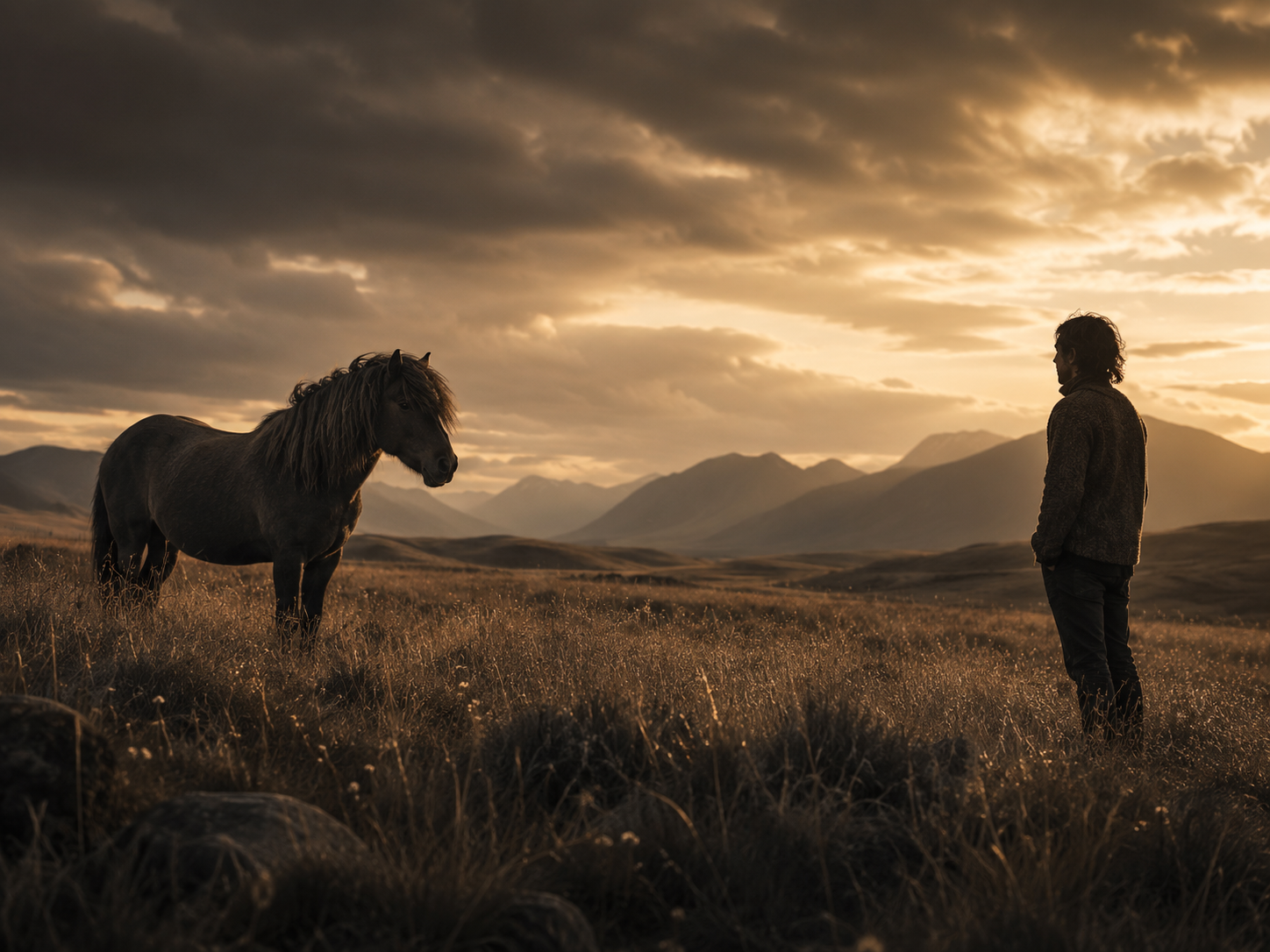
Why disturbed soil may be a sign of an ecosystem working, not a field being ruined.
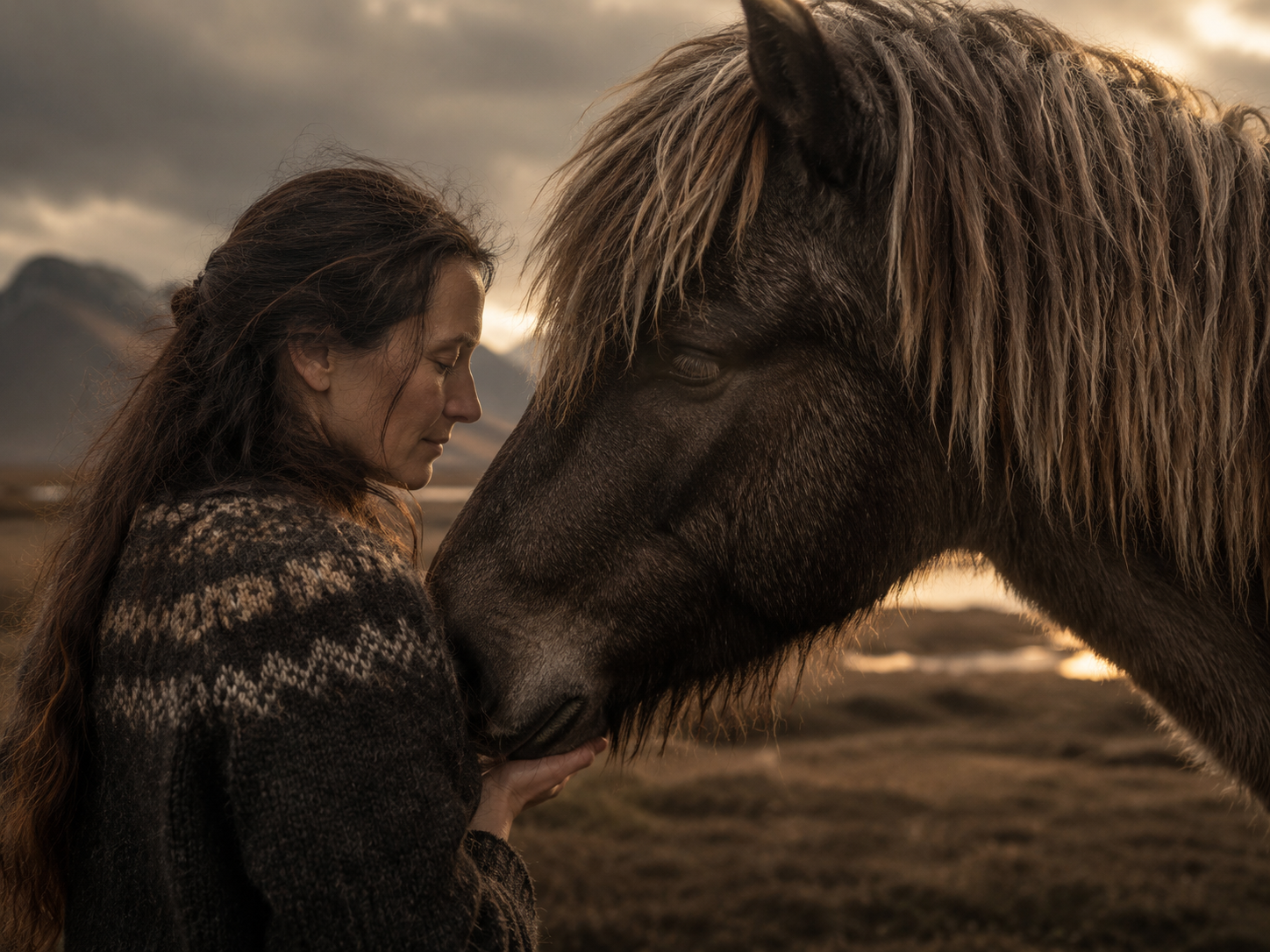
How some horse care solves problems created by the environment that made the care necessary.

A factual response to the claim that horses live by instinct alone.
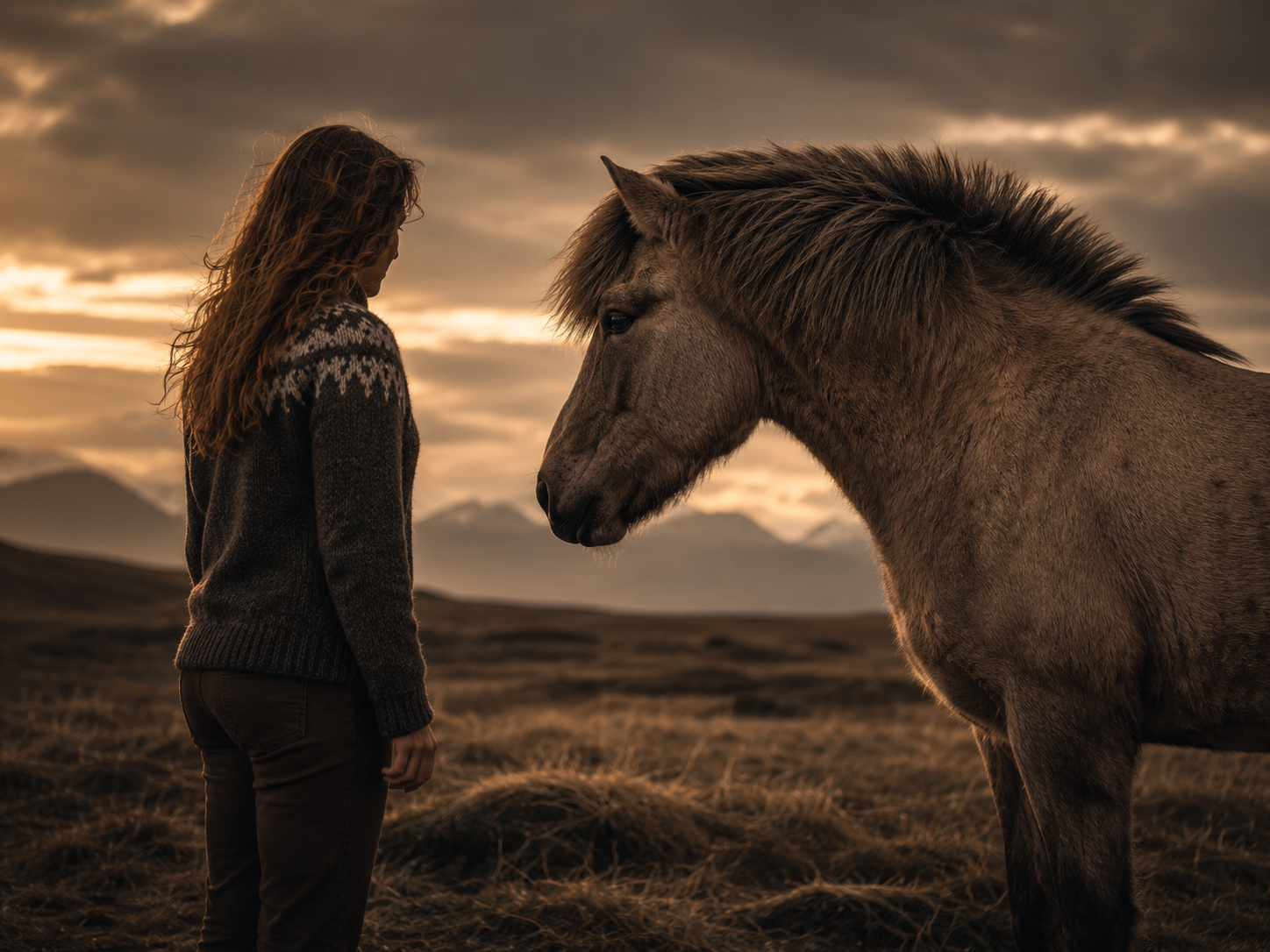
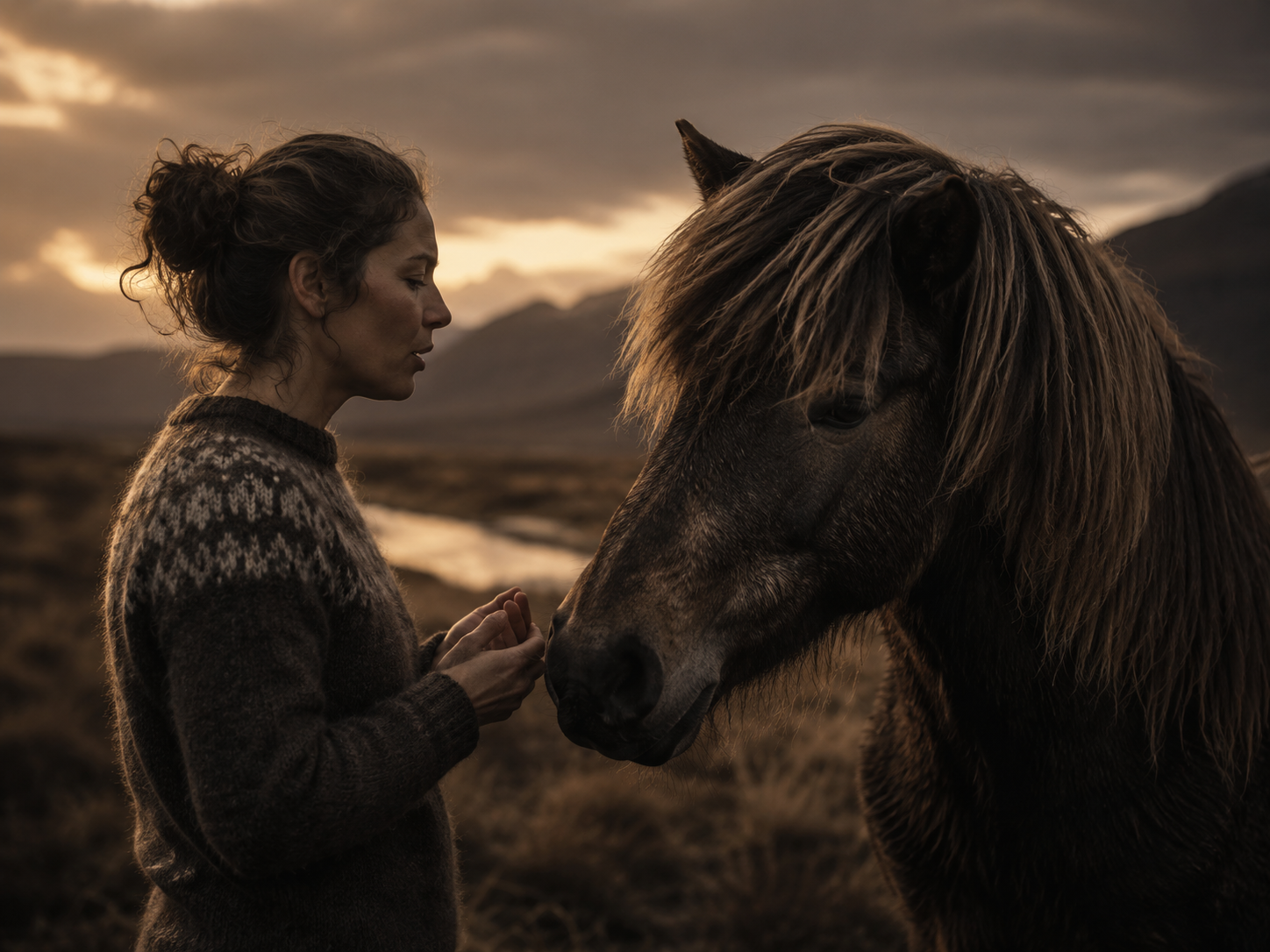
Why allowing space can strengthen a relationship instead of weakening it.
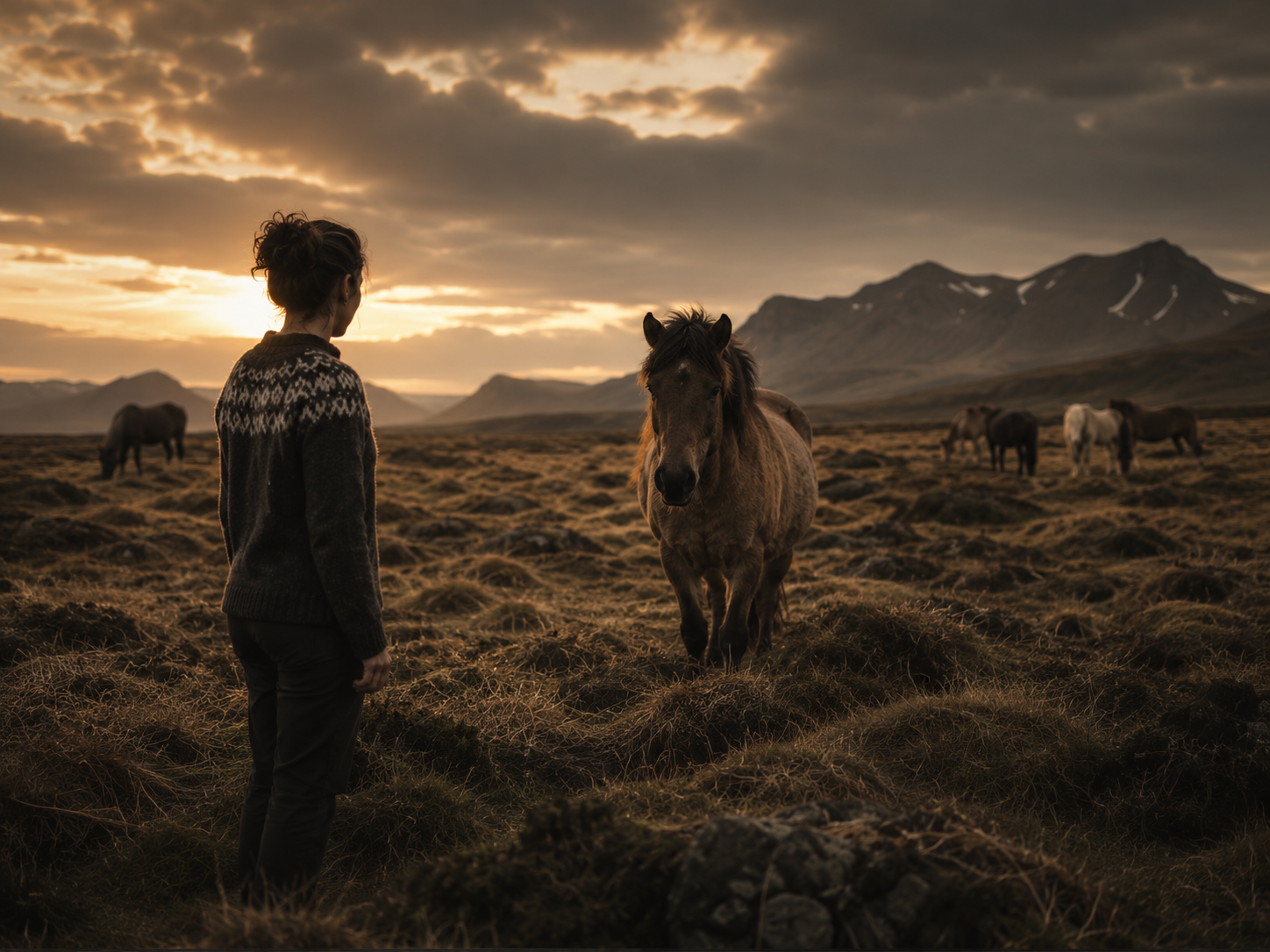
We are used to going to the horse. But what changes when the horse is free to begin the interaction instead? A reflection on grooming, choice, and the quiet difference between asking for contact and leaving room for it to happen.
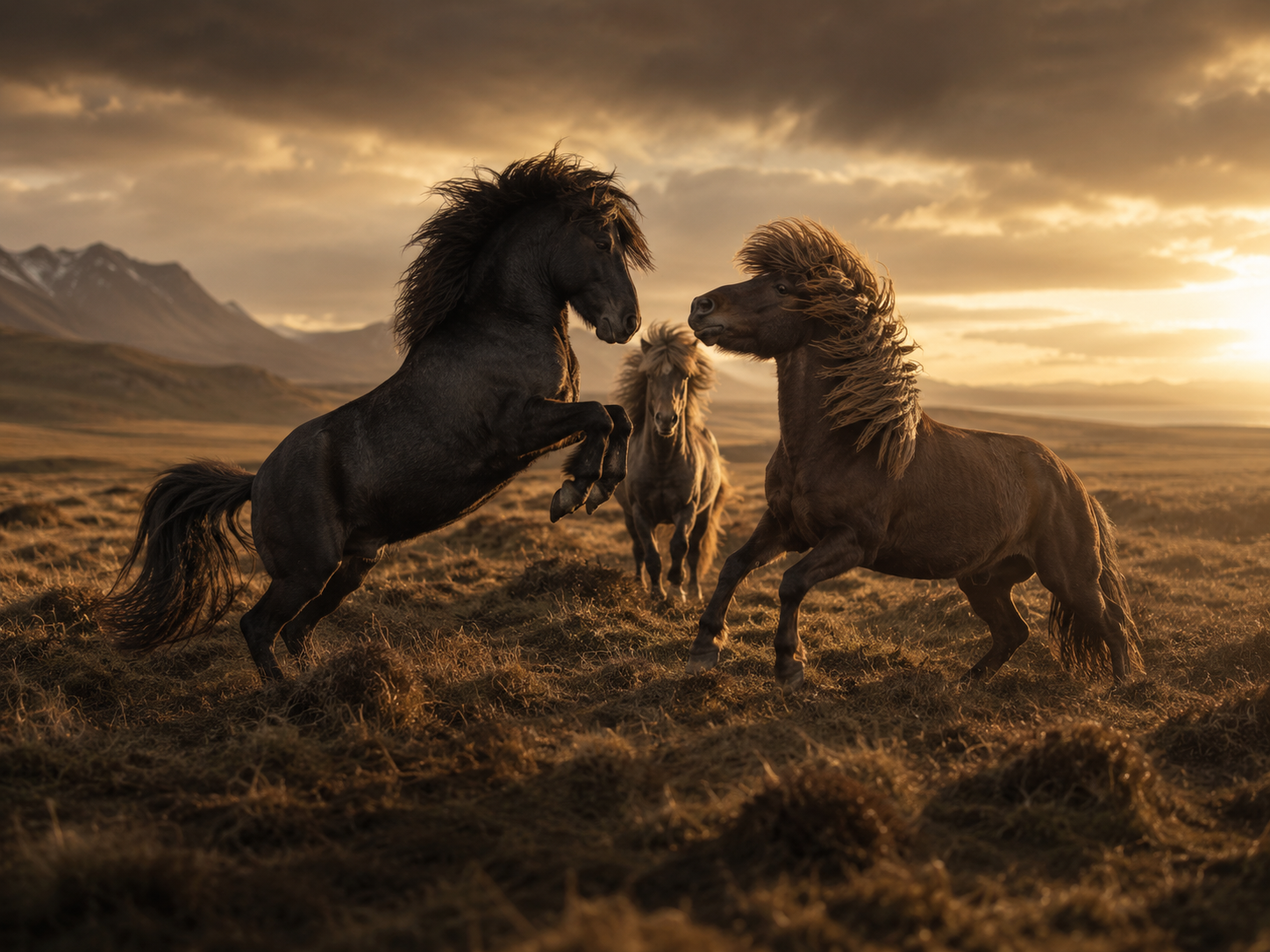
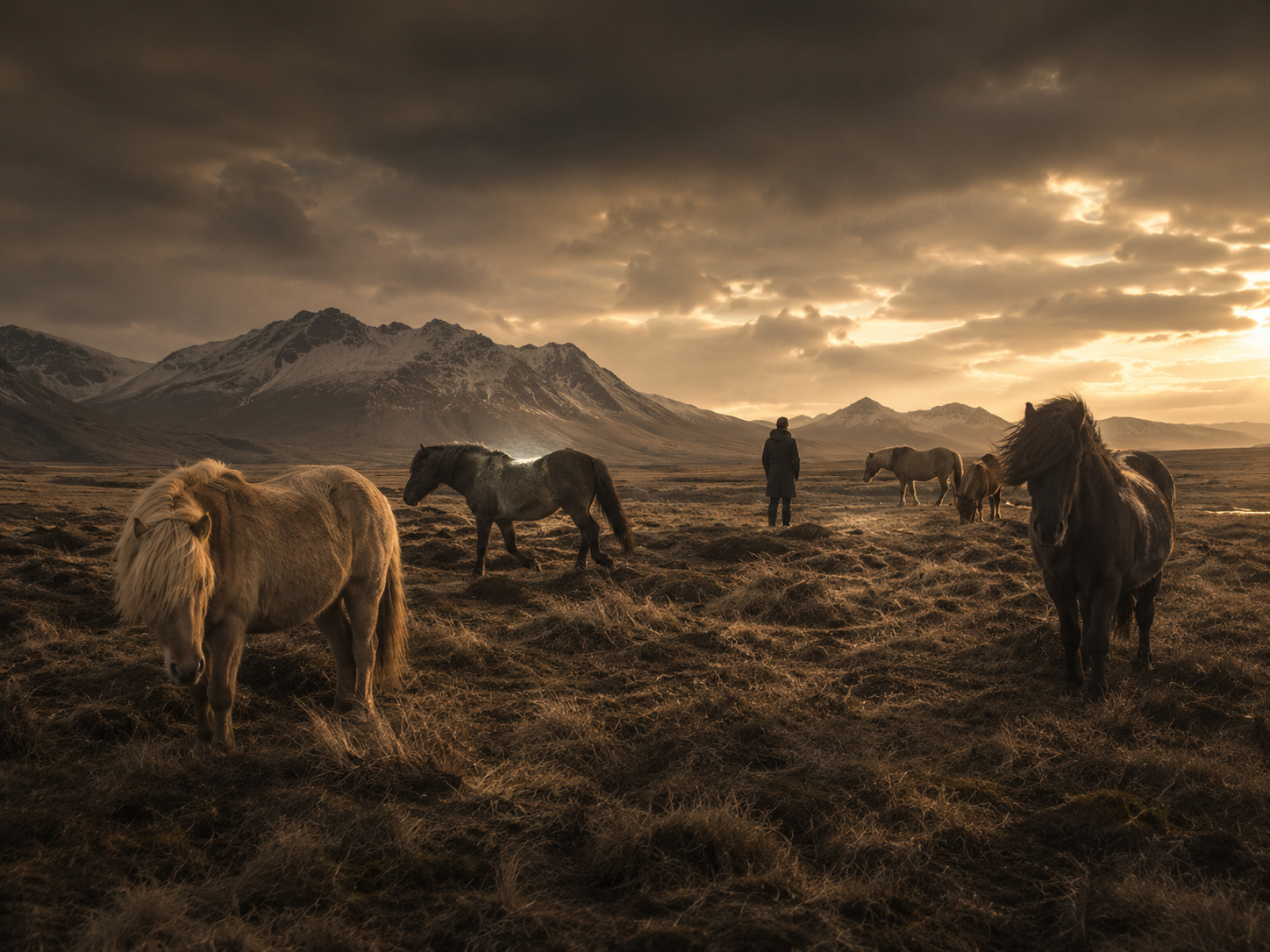
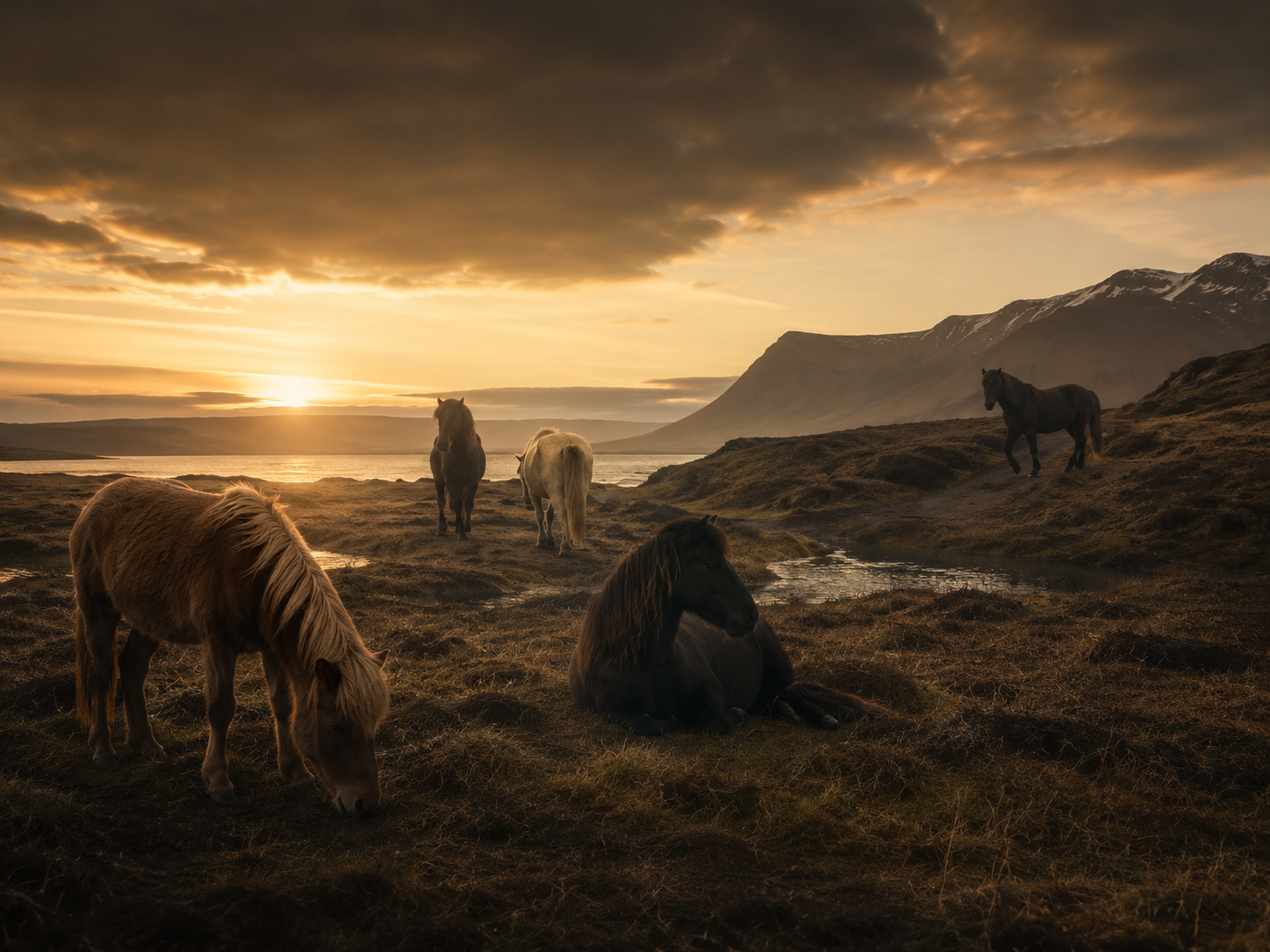
Why respect is not a feeling, but something visible in timing and response.
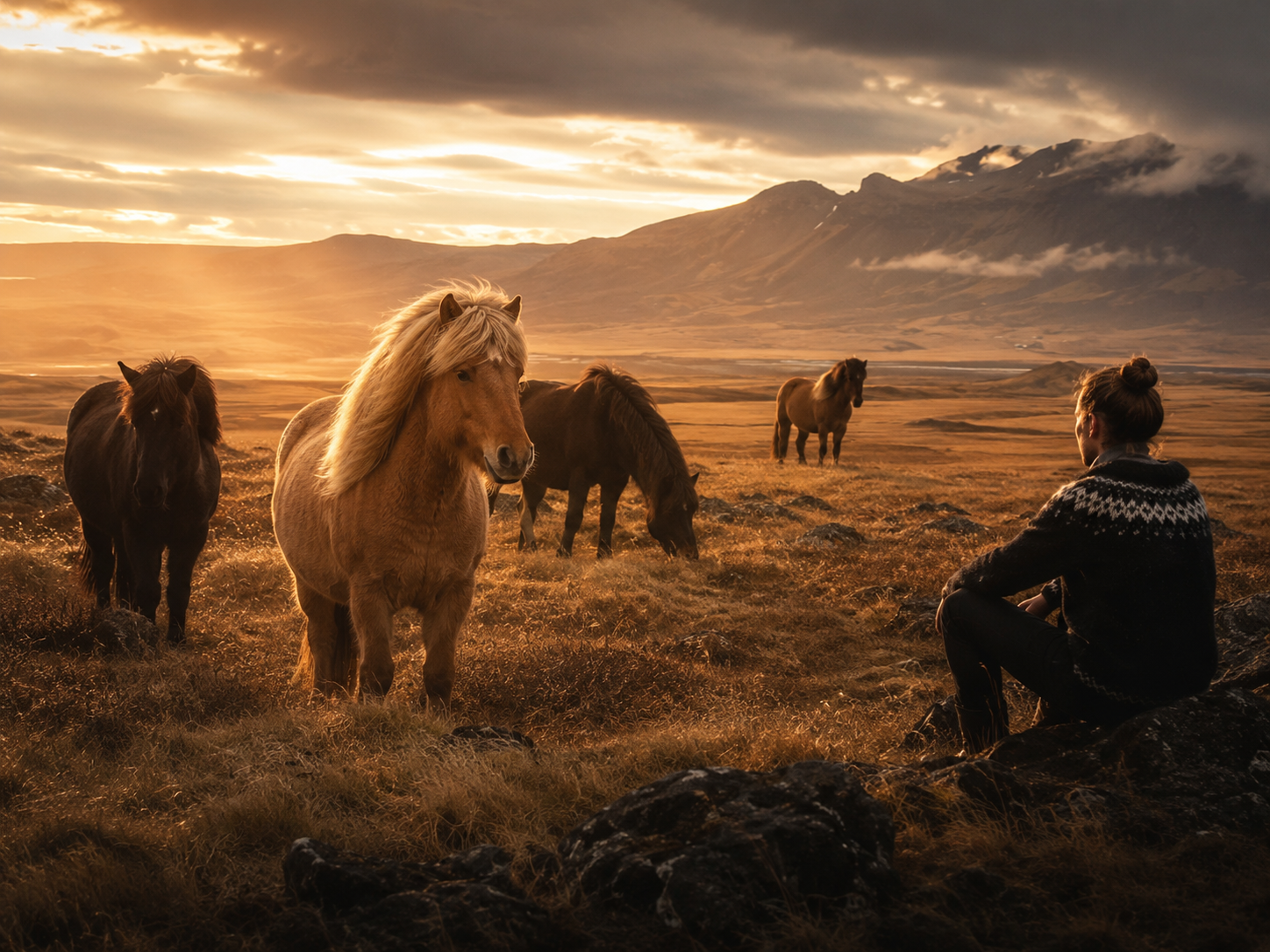
Why trust repairs through repeated safety, not reassurance alone.

Why voluntary approach matters, and why it still needs careful reading.
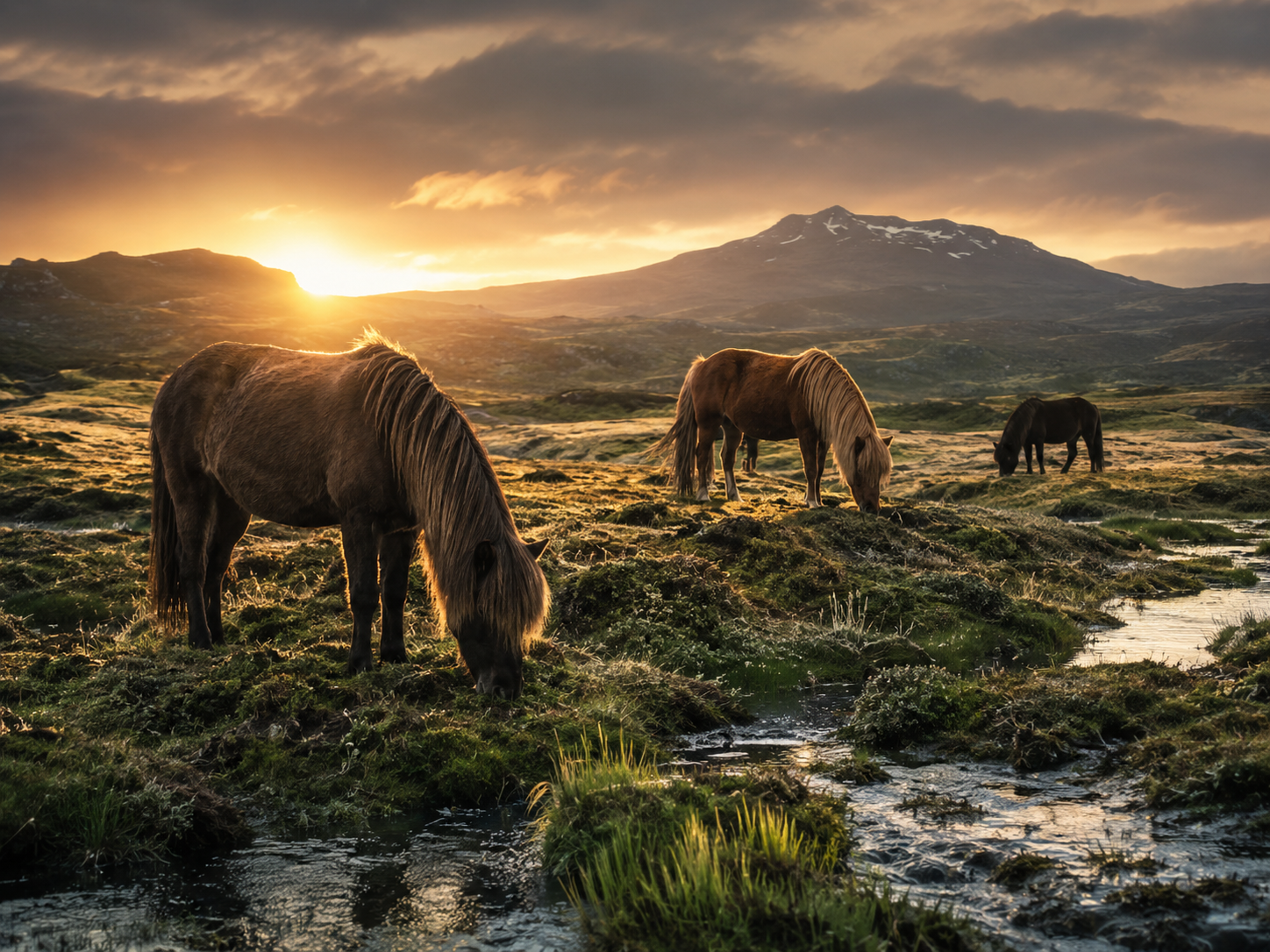
Why relaxed proximity should not be mistaken for obedience or surrender.
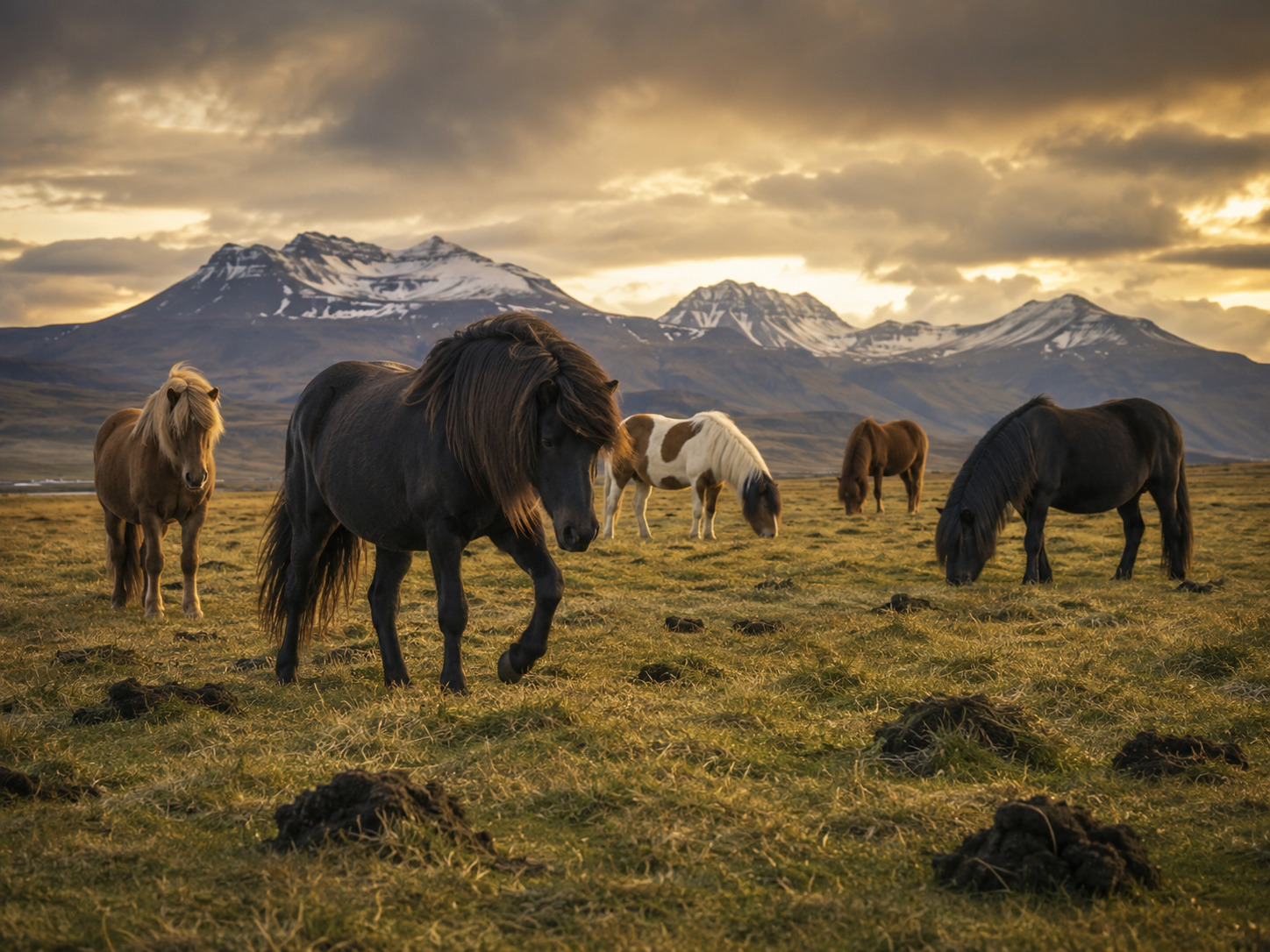
Why horses benefit from reliable humans, not lifeless routines.
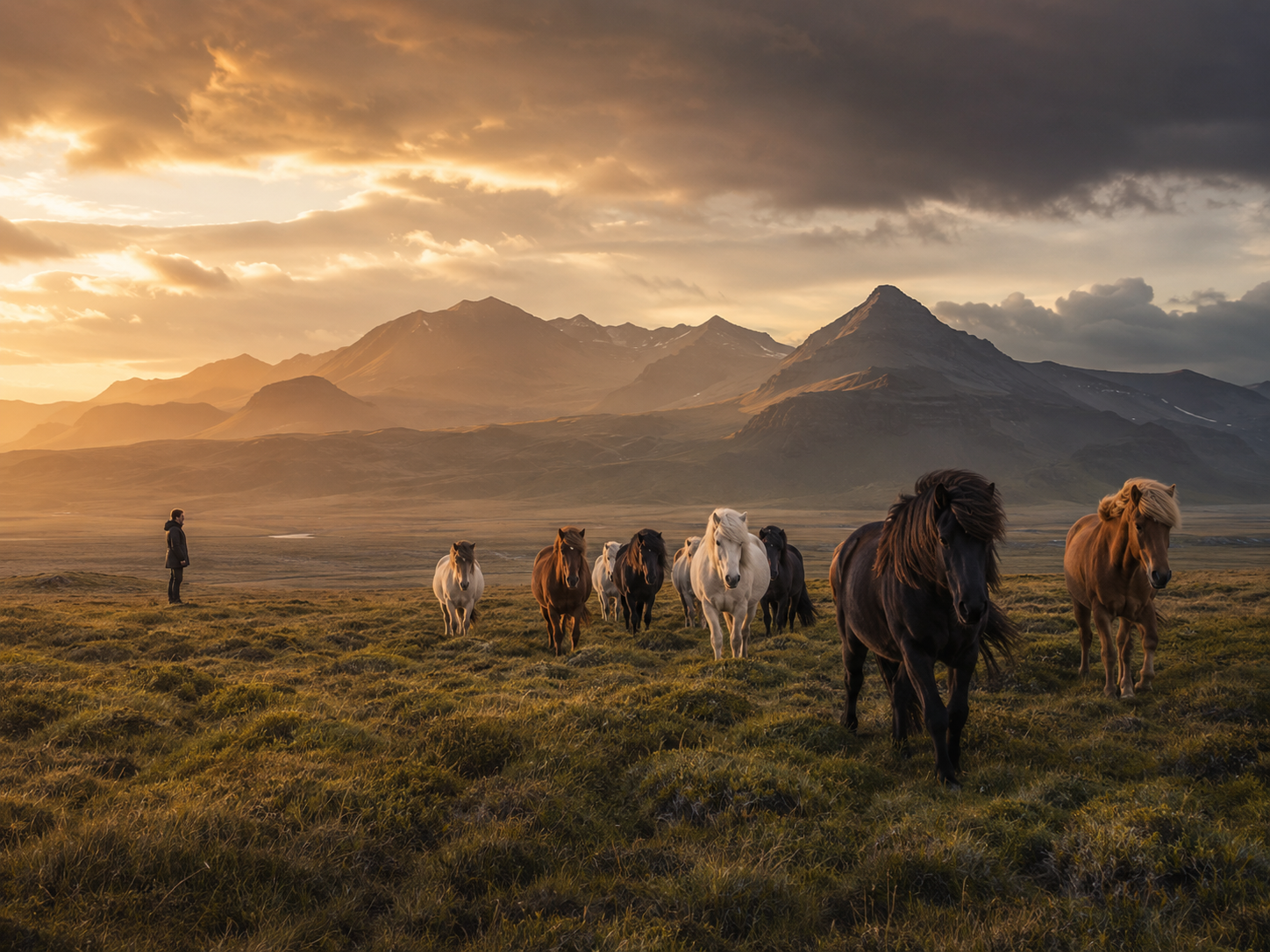
How repeated small handling experiences shape what the horse expects next.
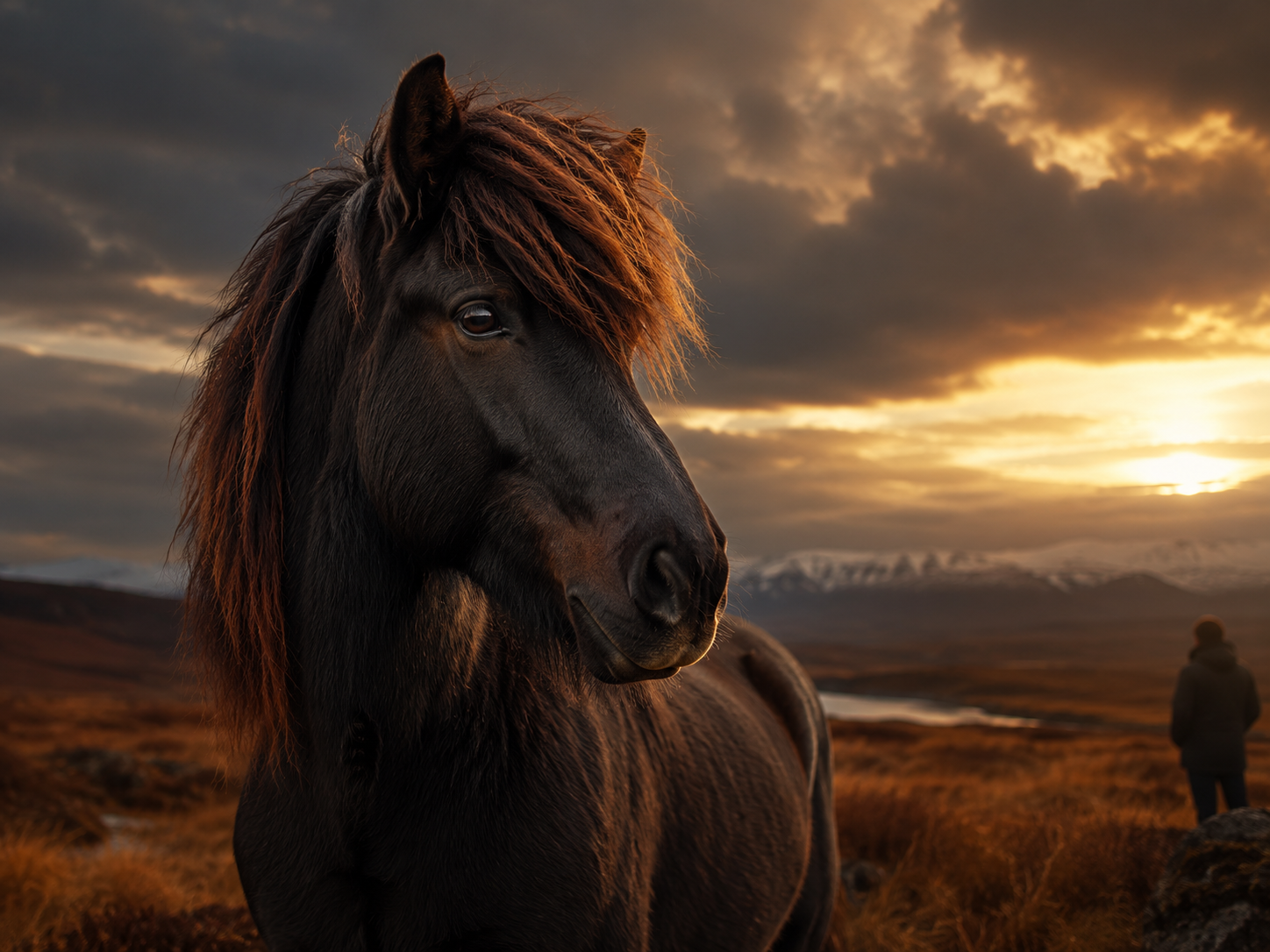
How a human can enter the field without making every horse respond.
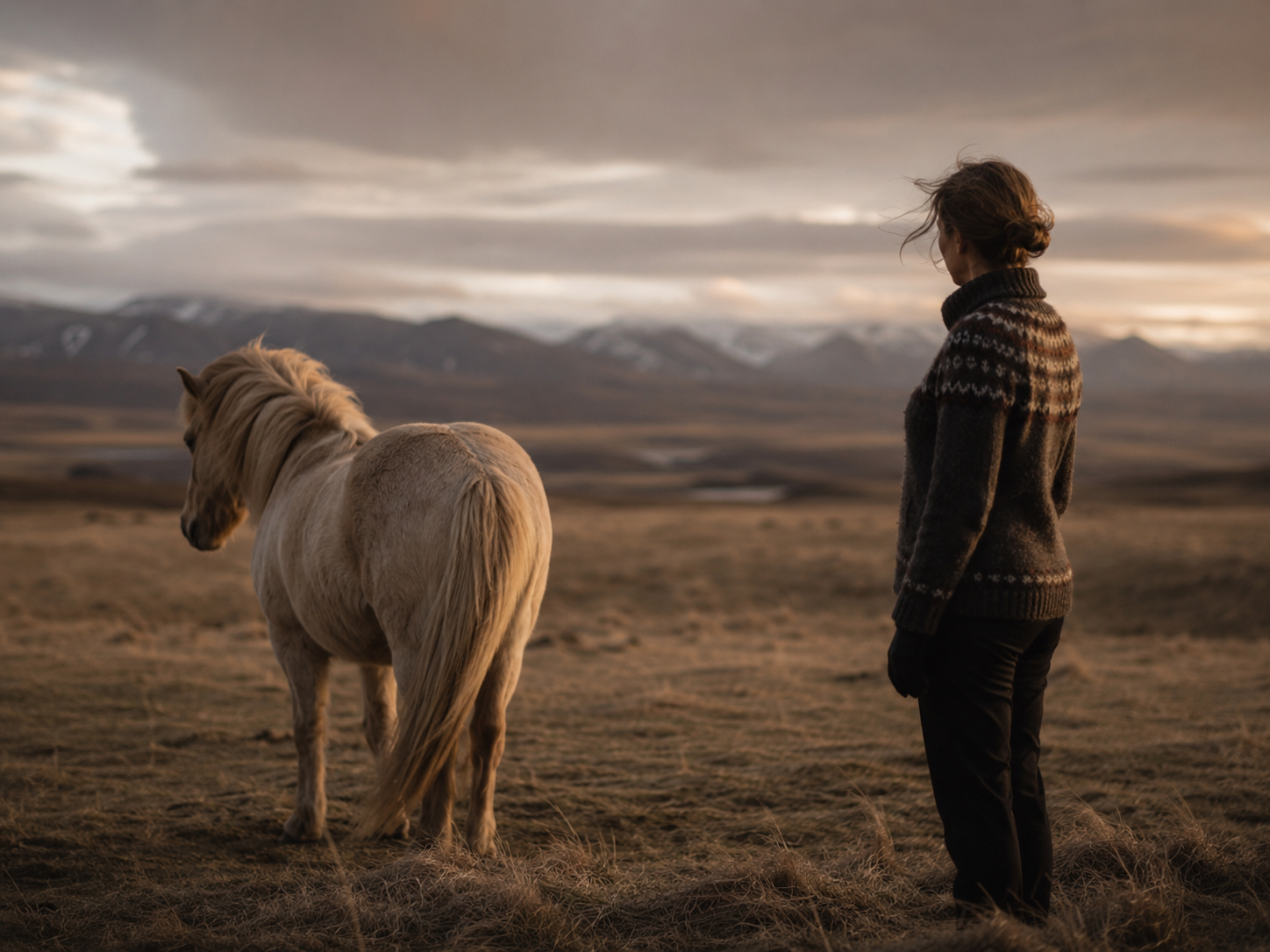
Why investigation appears when safety is present, not when exposure is imposed.
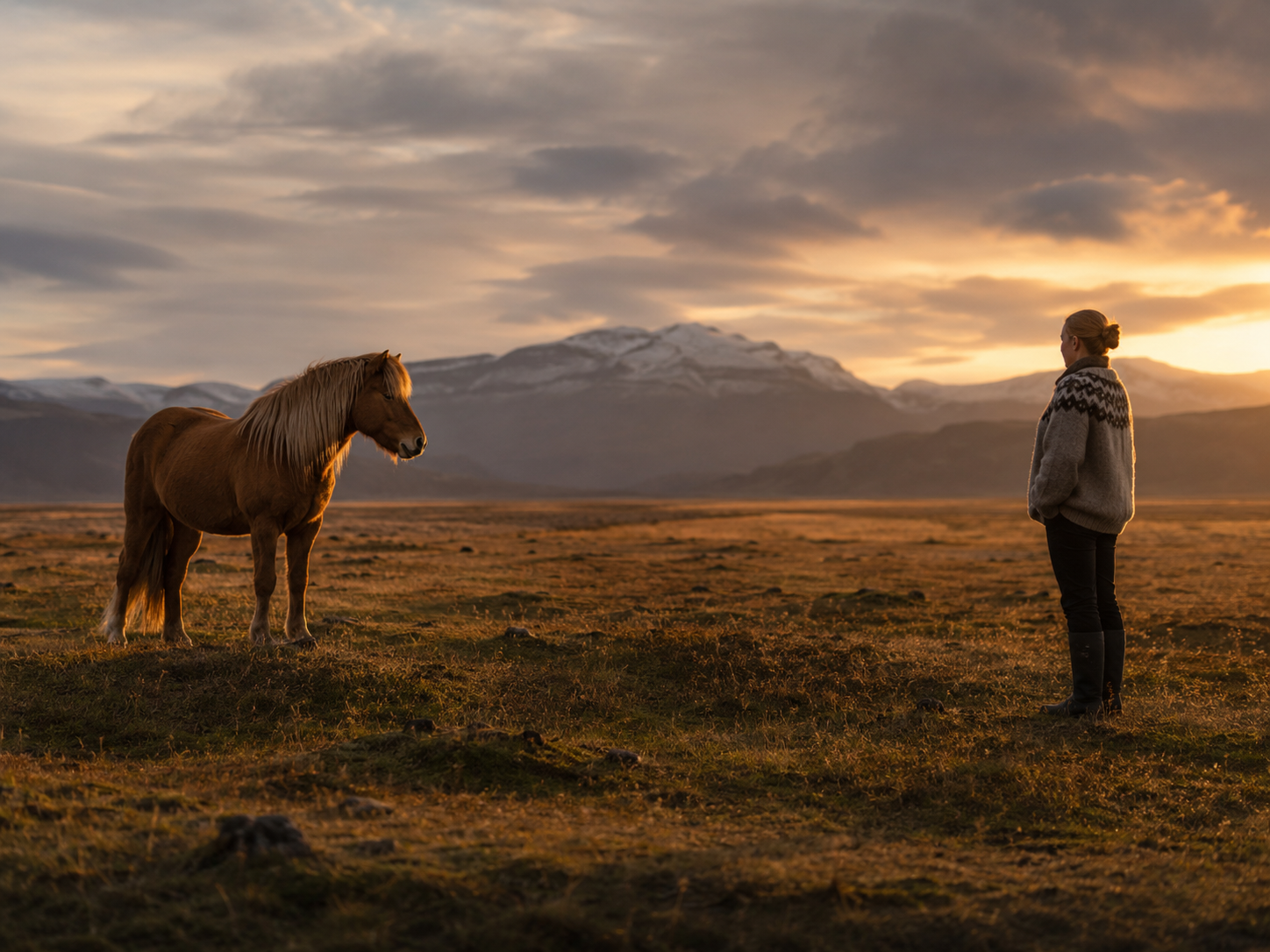
Why repeated non-demanding presence can become part of how a horse knows you.
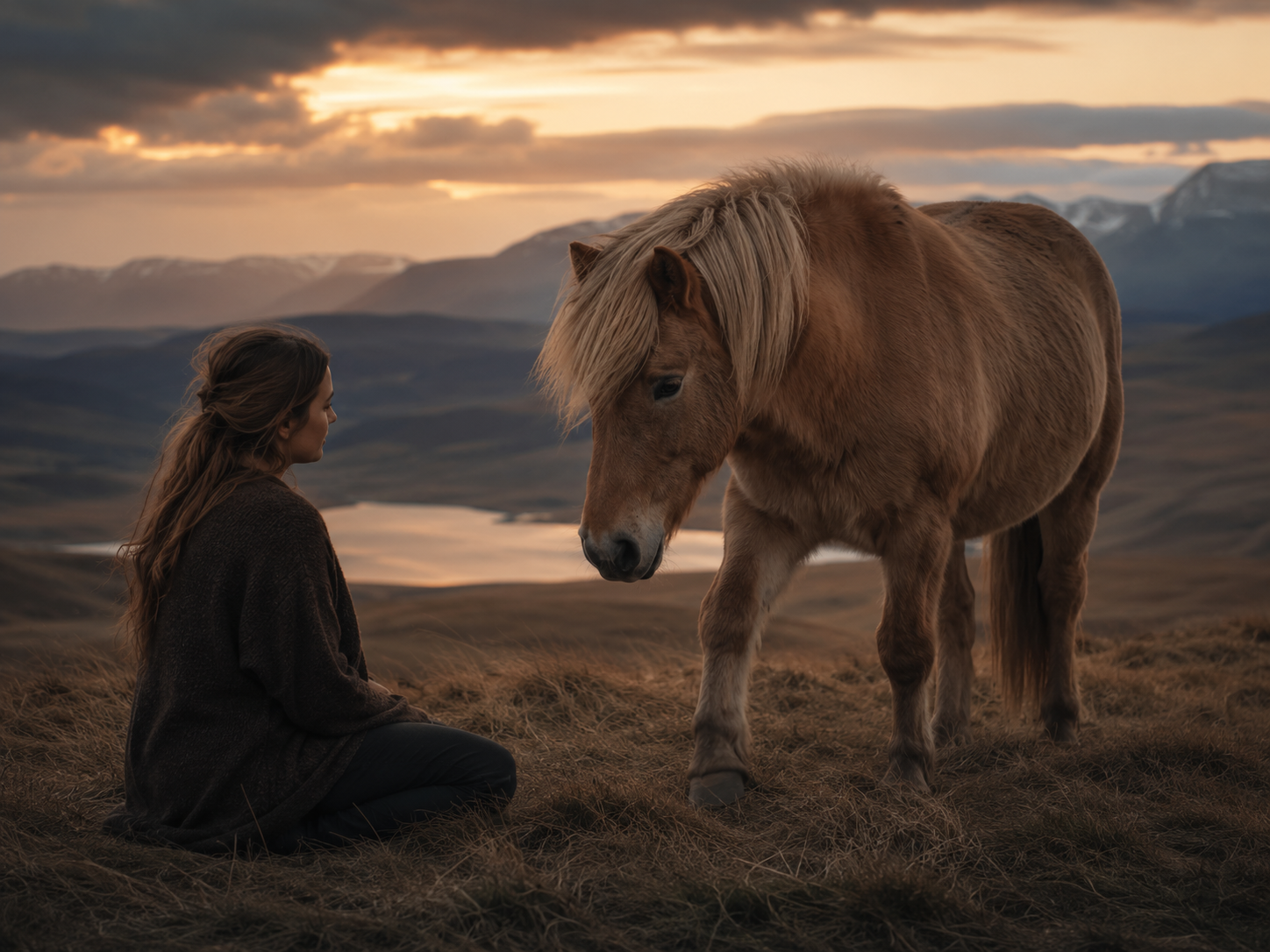
How orientation and body direction can reach the horse before touch does.
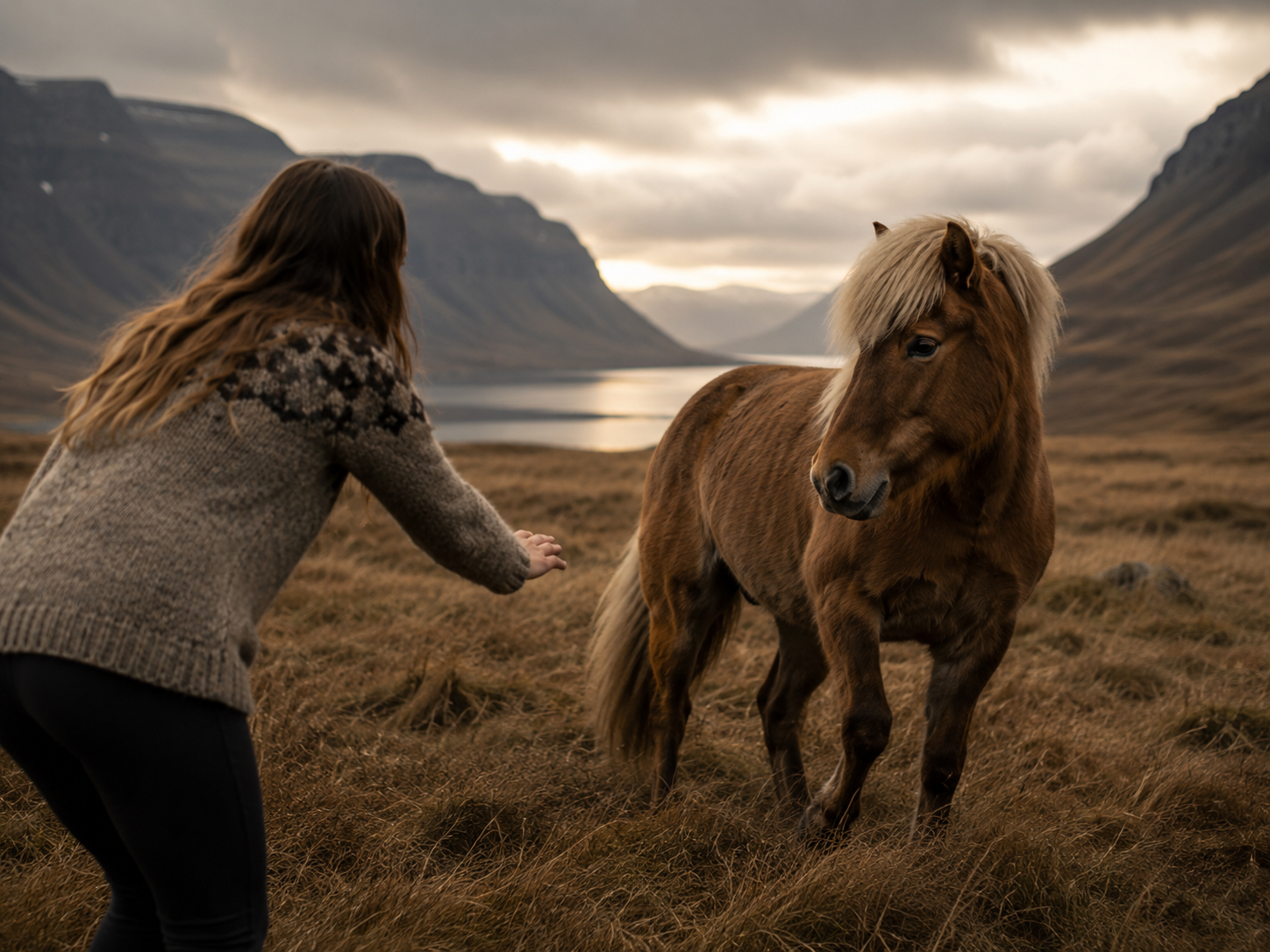
Why looking is not neutral when the whole body is aimed at the horse.
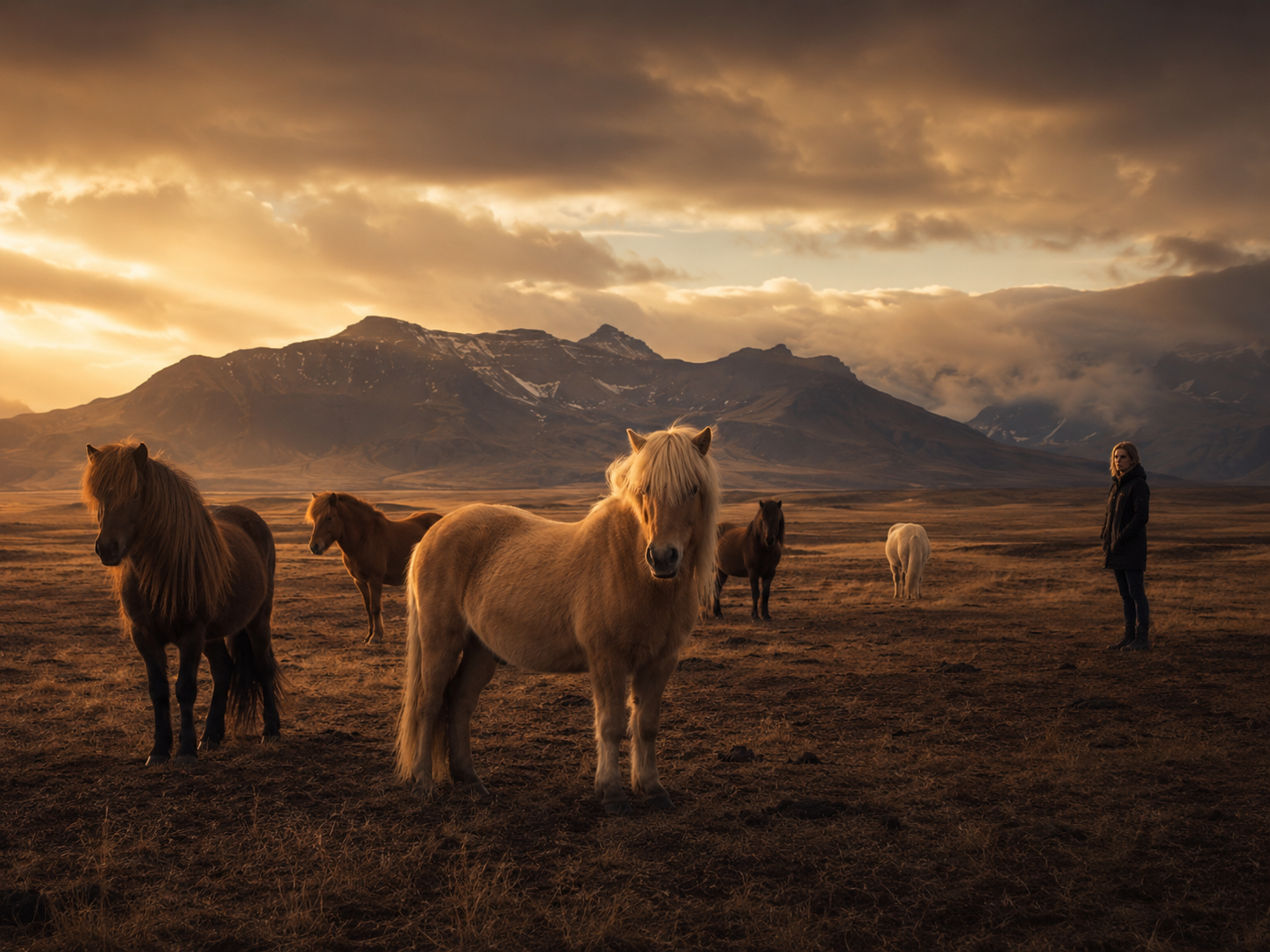
Why the path you take can pressure a horse before you arrive.
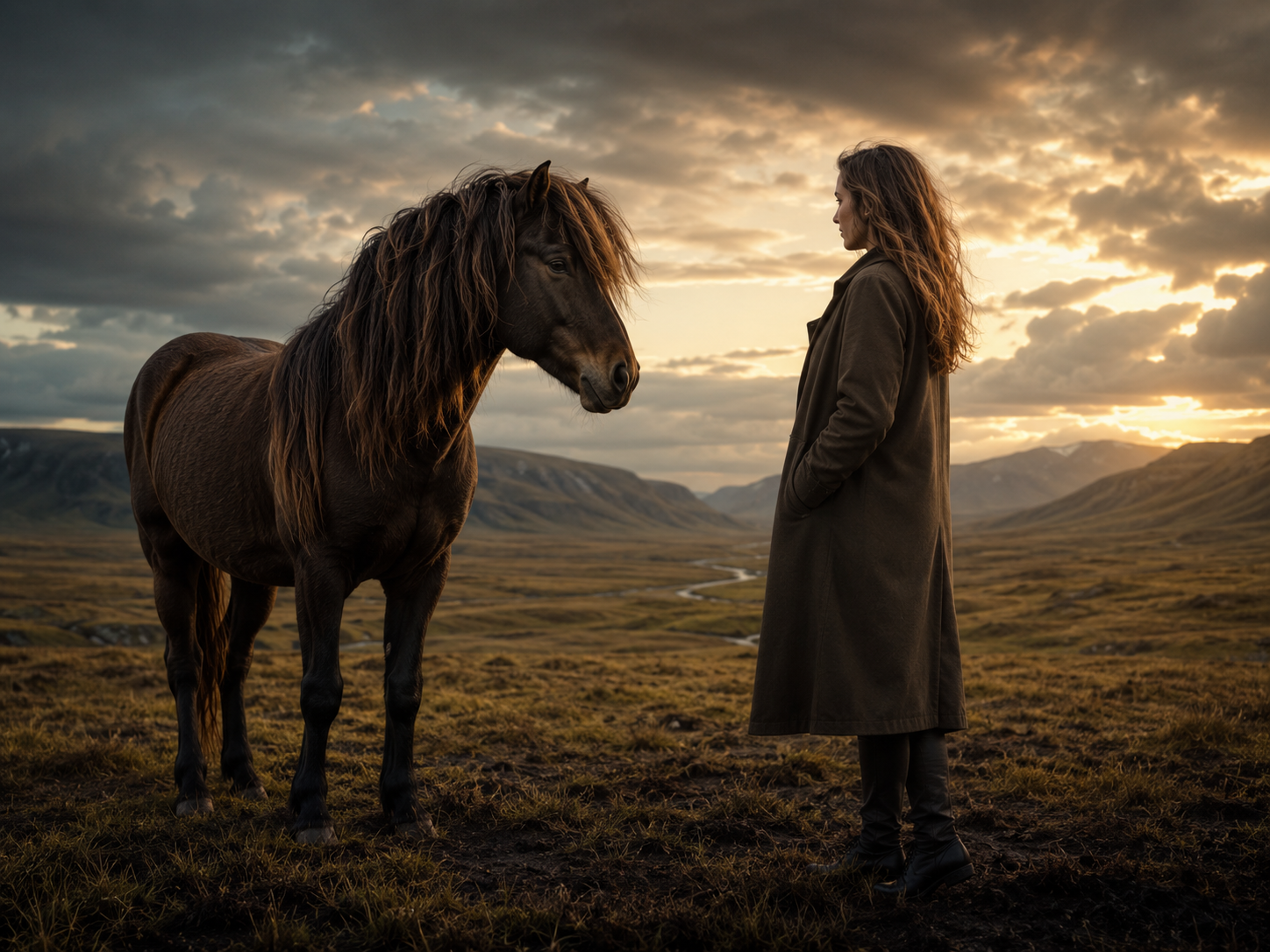
Why horses often believe the body before the voice.
Why gentleness without clarity can still confuse a horse.
How repeated tone and timing can become a recognizable presence cue.
Why tone cannot repair pressure coming from the body, place, or situation.
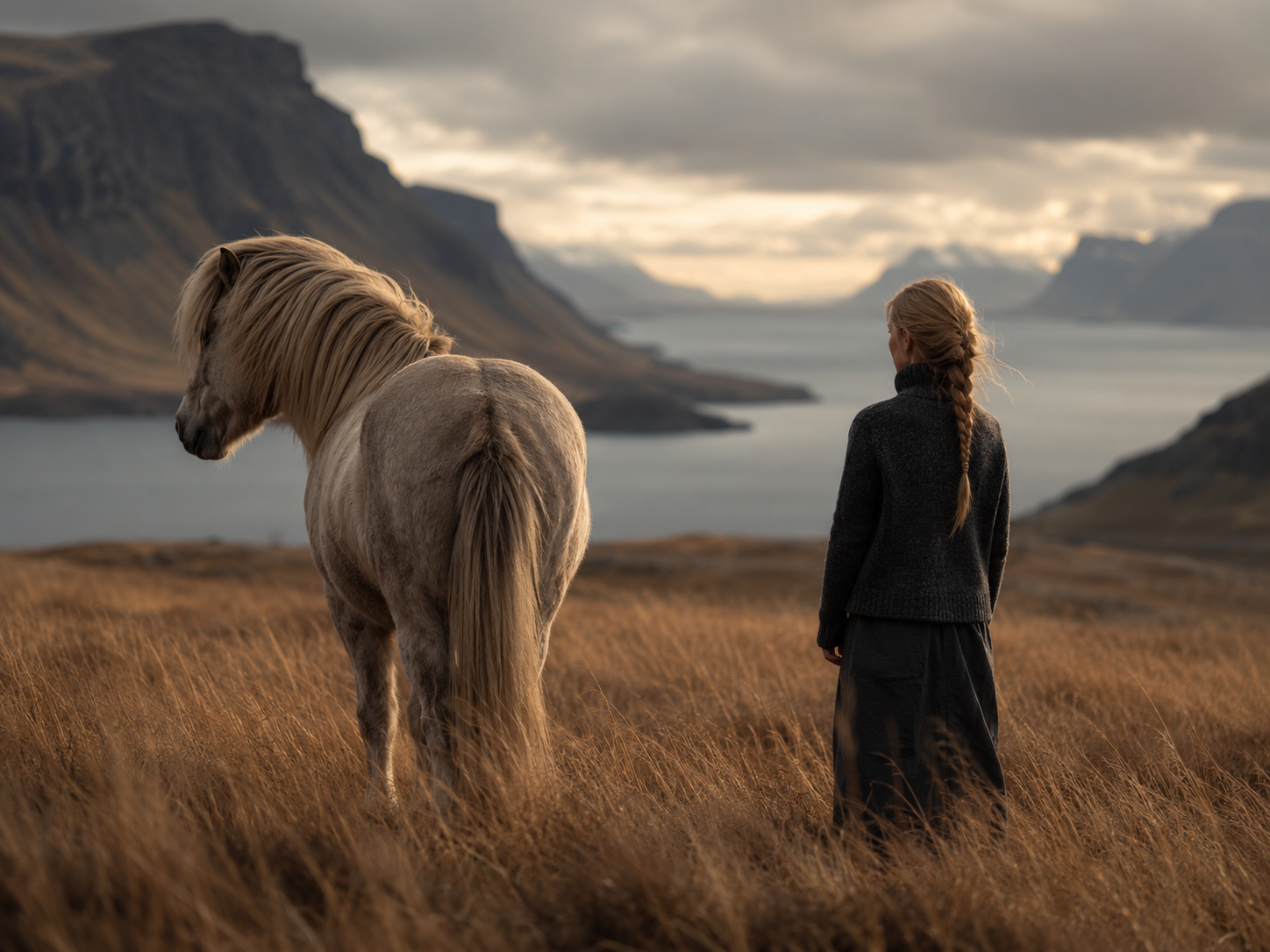
Why the first seconds of arrival can shape the whole interaction.
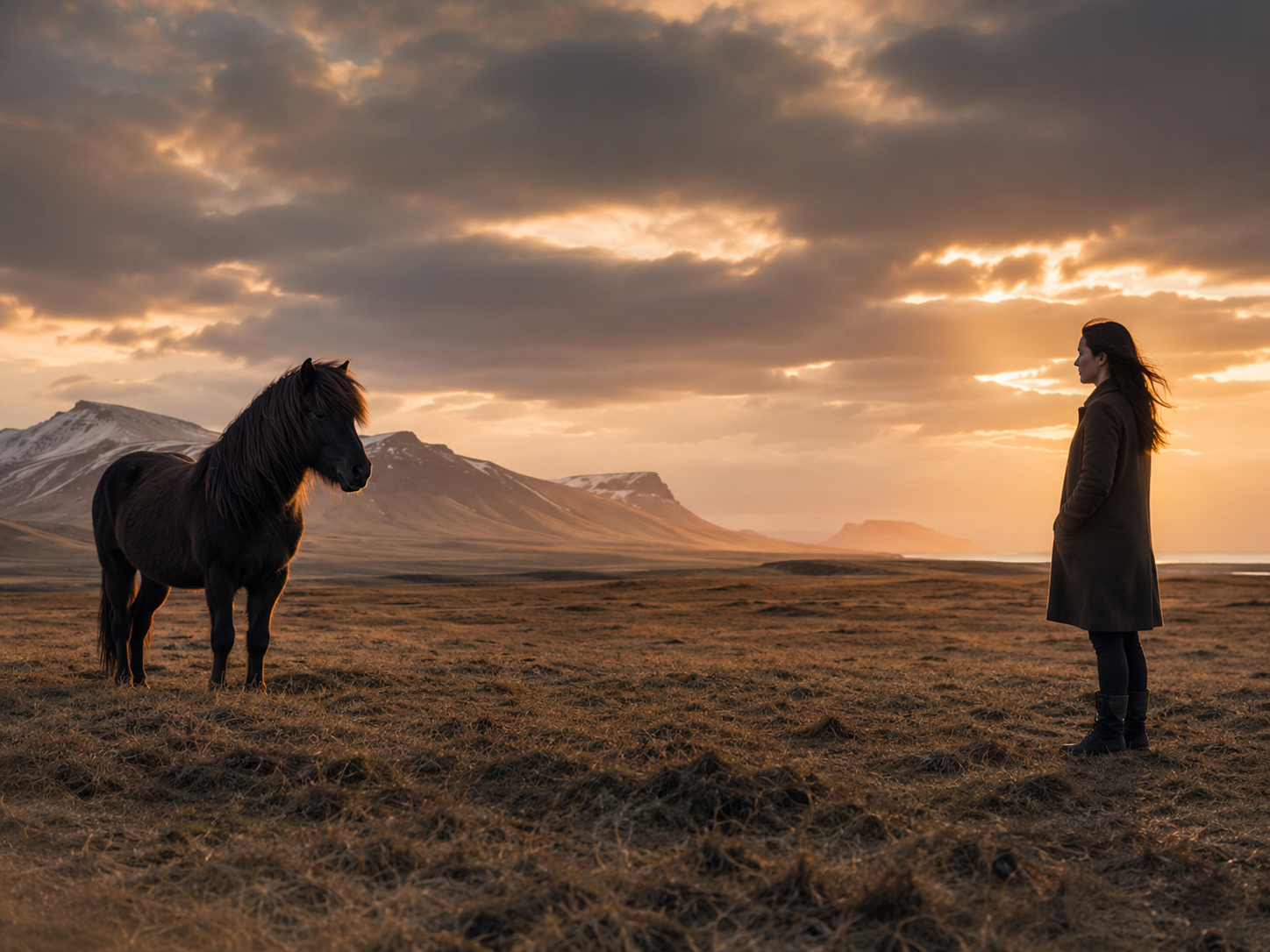
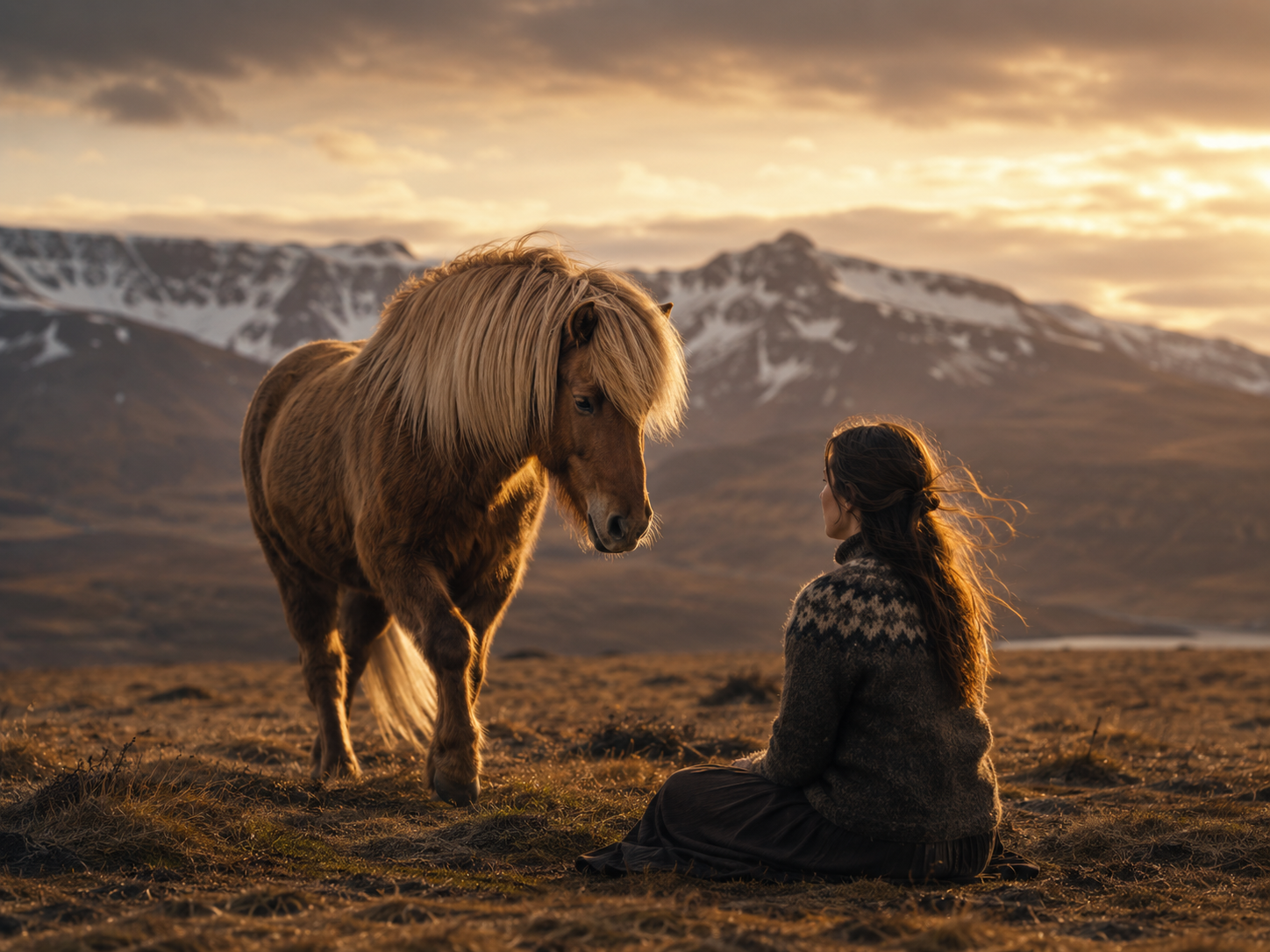
How voice can connect presence and meaning without becoming another form of control.
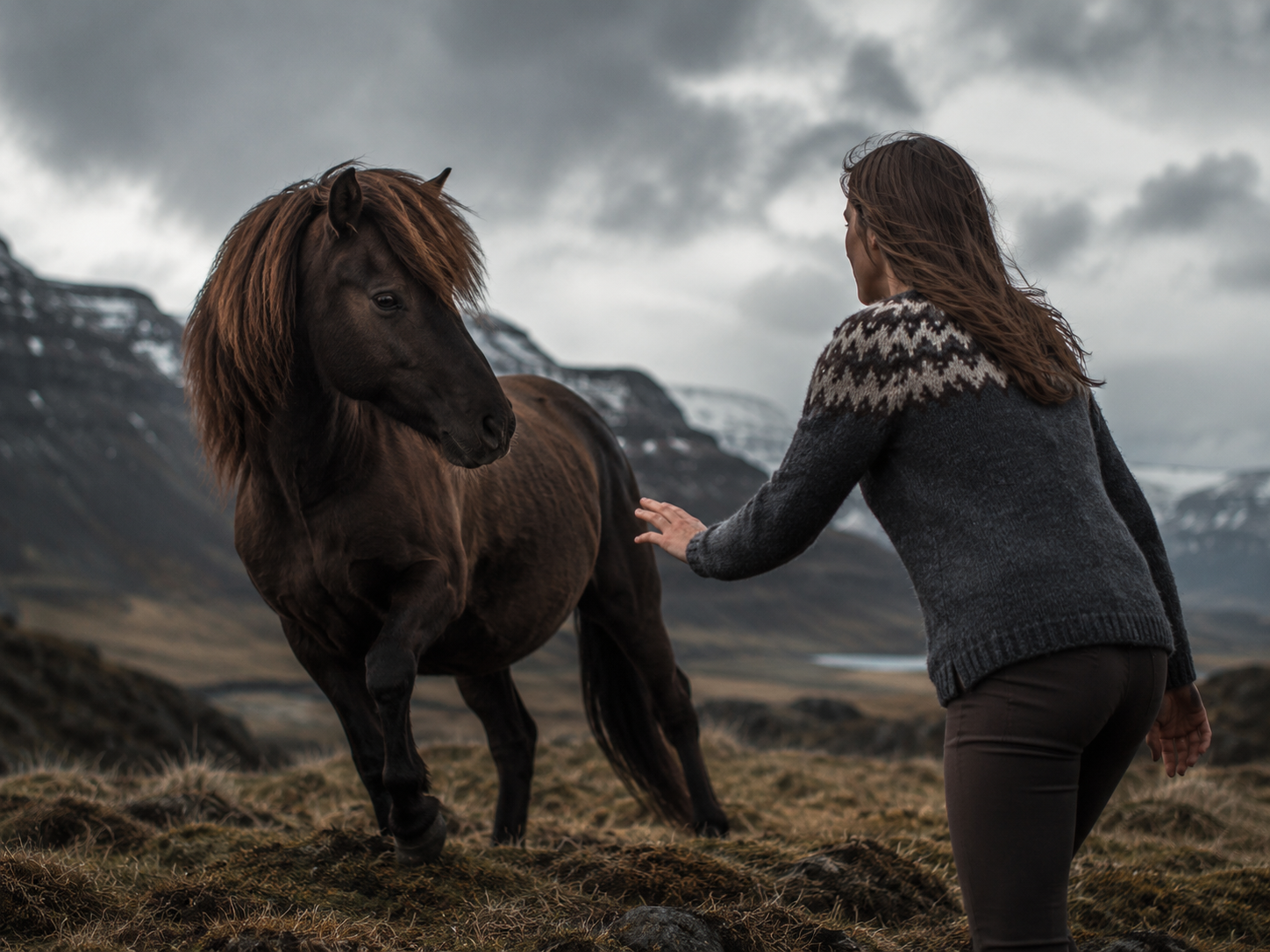
Why play is not childish excess, but visible evidence of safety, timing, social intelligence, and positive welfare.
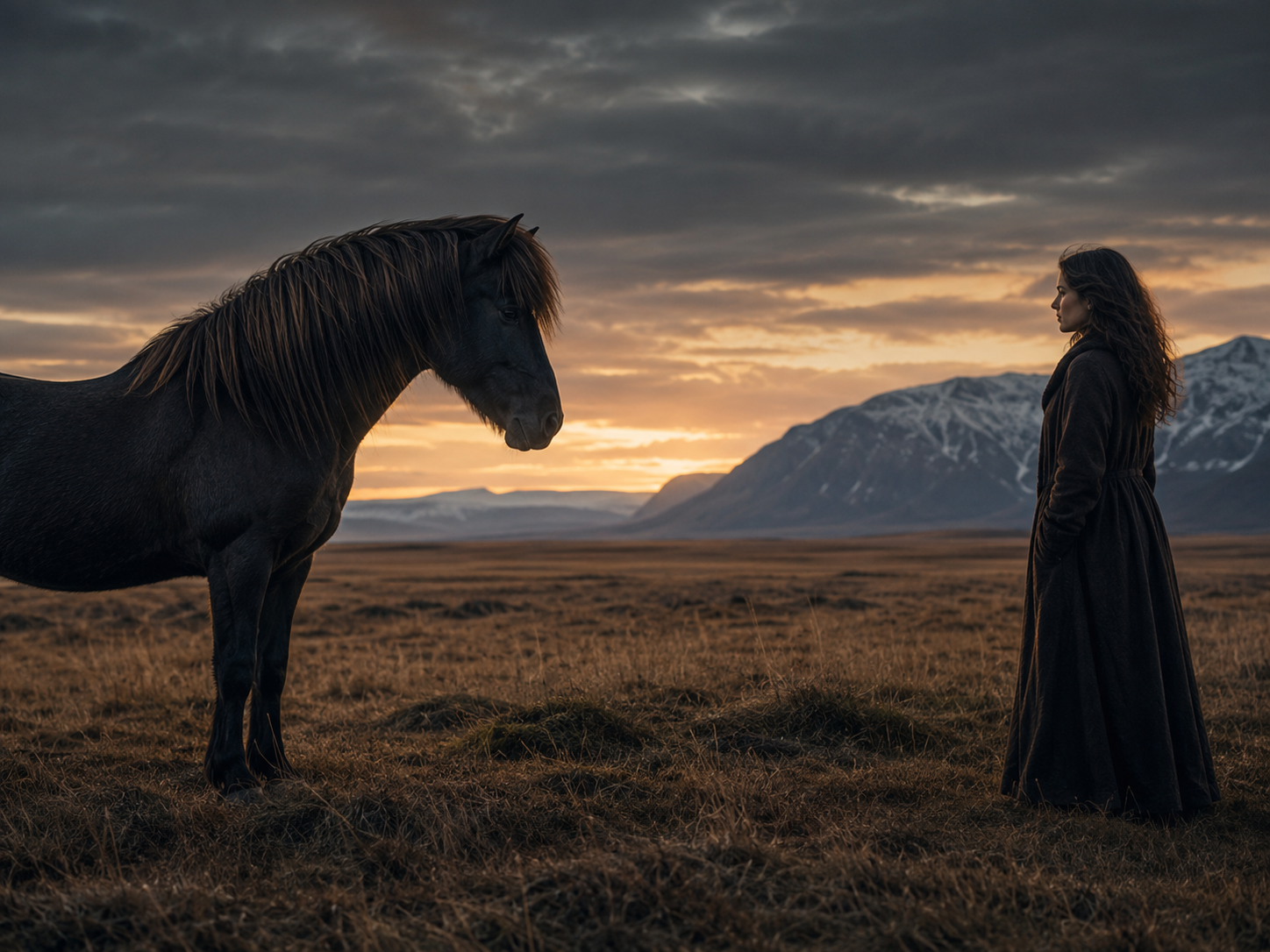
How repeated “unnecessary” actions can reveal experimentation, preference, and social creativity.
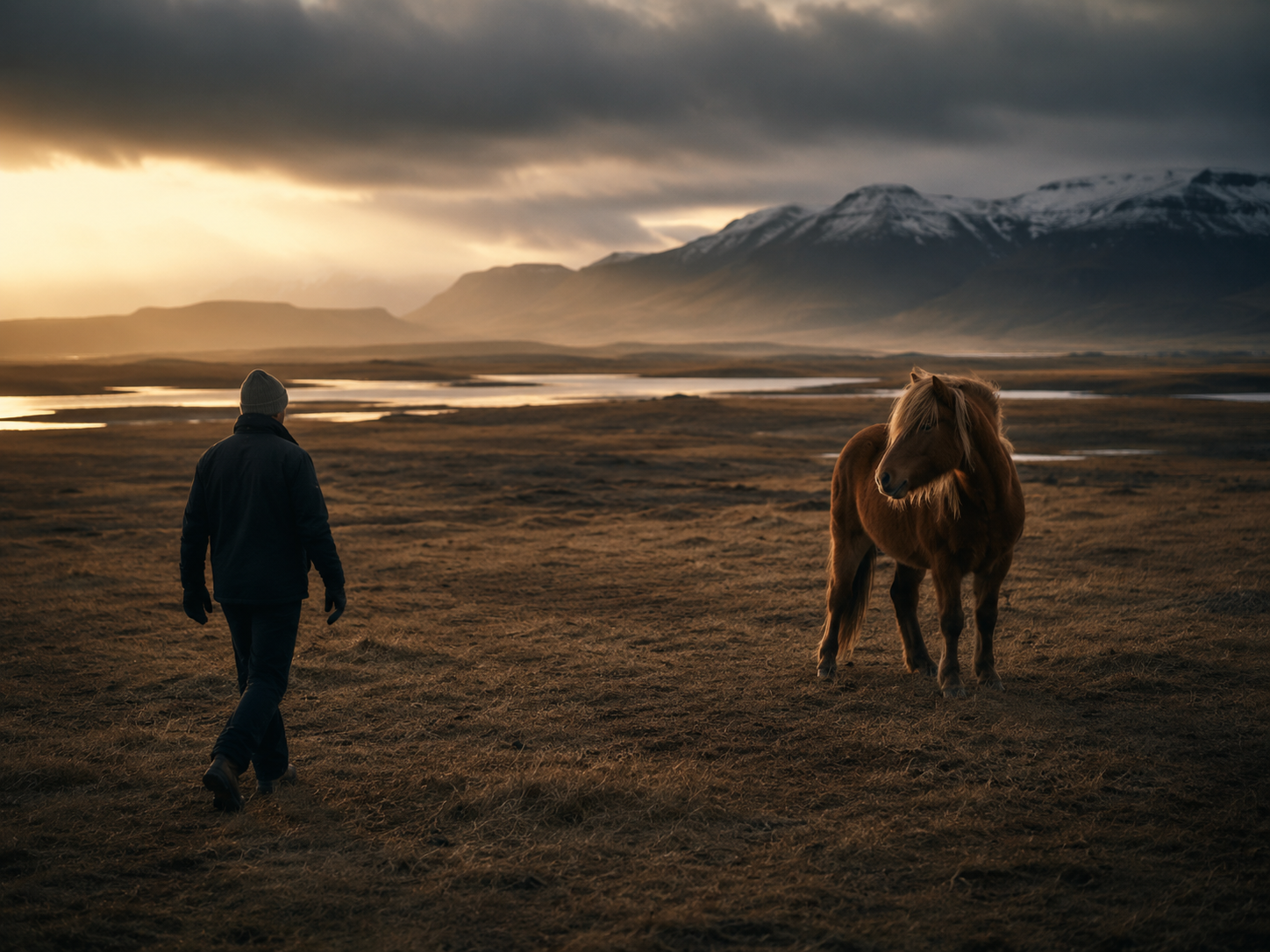
Why humor-like behaviour should not be dismissed simply because it is difficult to measure.
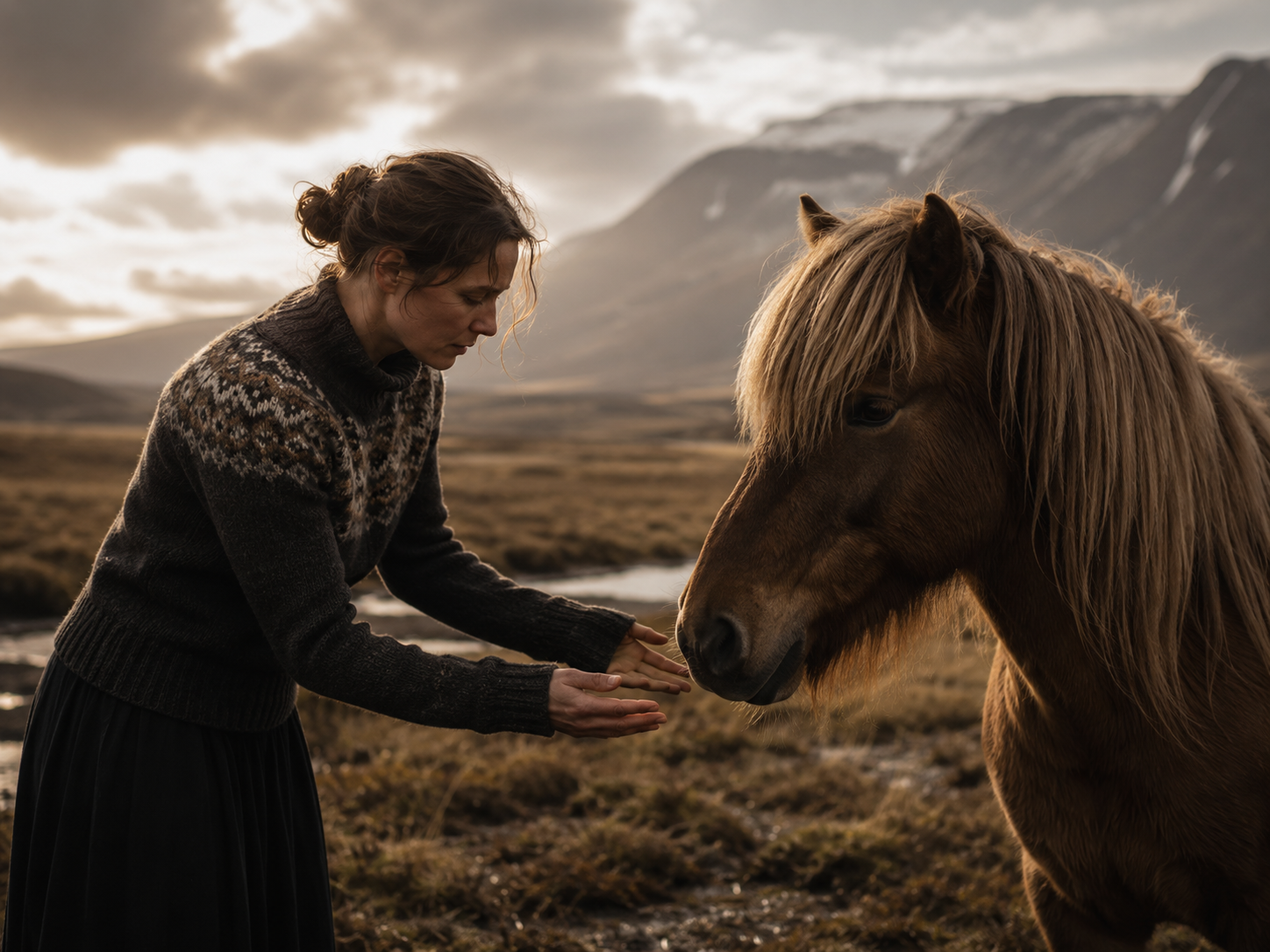
How facial expression, body looseness, and group atmosphere help distinguish joyful play from pressure.

Why play in mature horses should be taken as evidence of richness, not dismissed as juvenile behaviour.
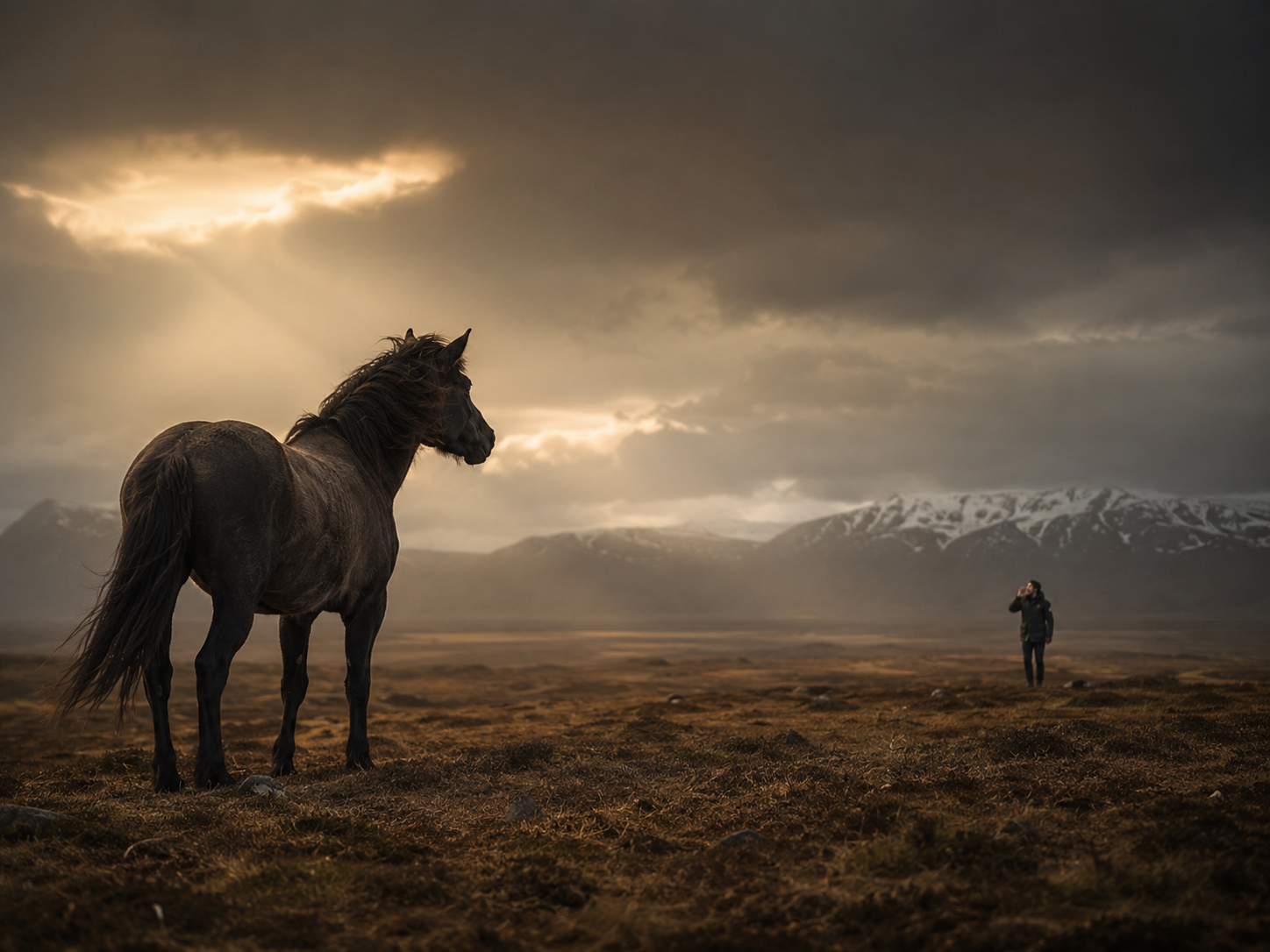
Why joy cannot be commanded, but the environment can make it more likely to appear.
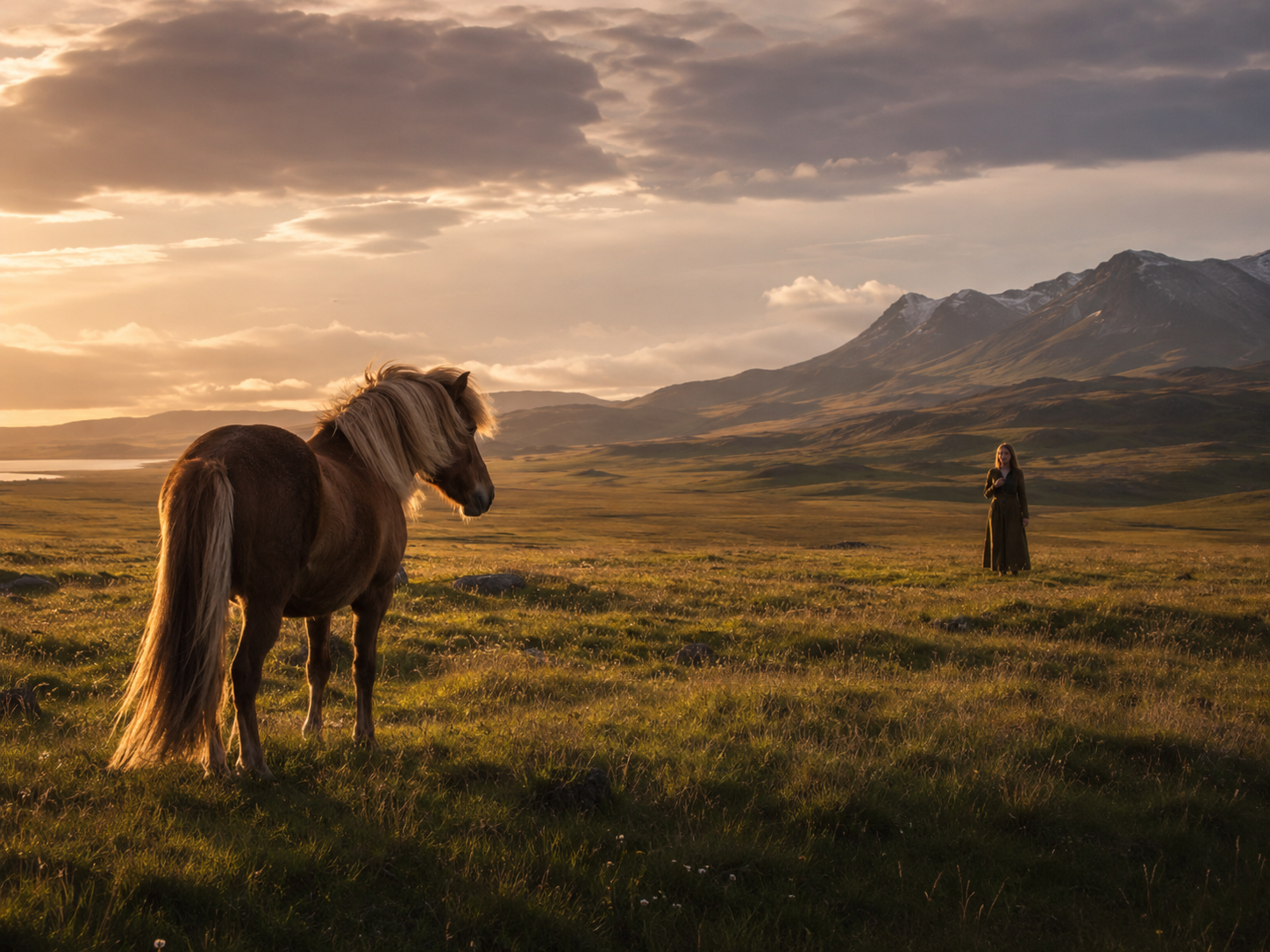
What changes when a horse is understood as living for more than human use.
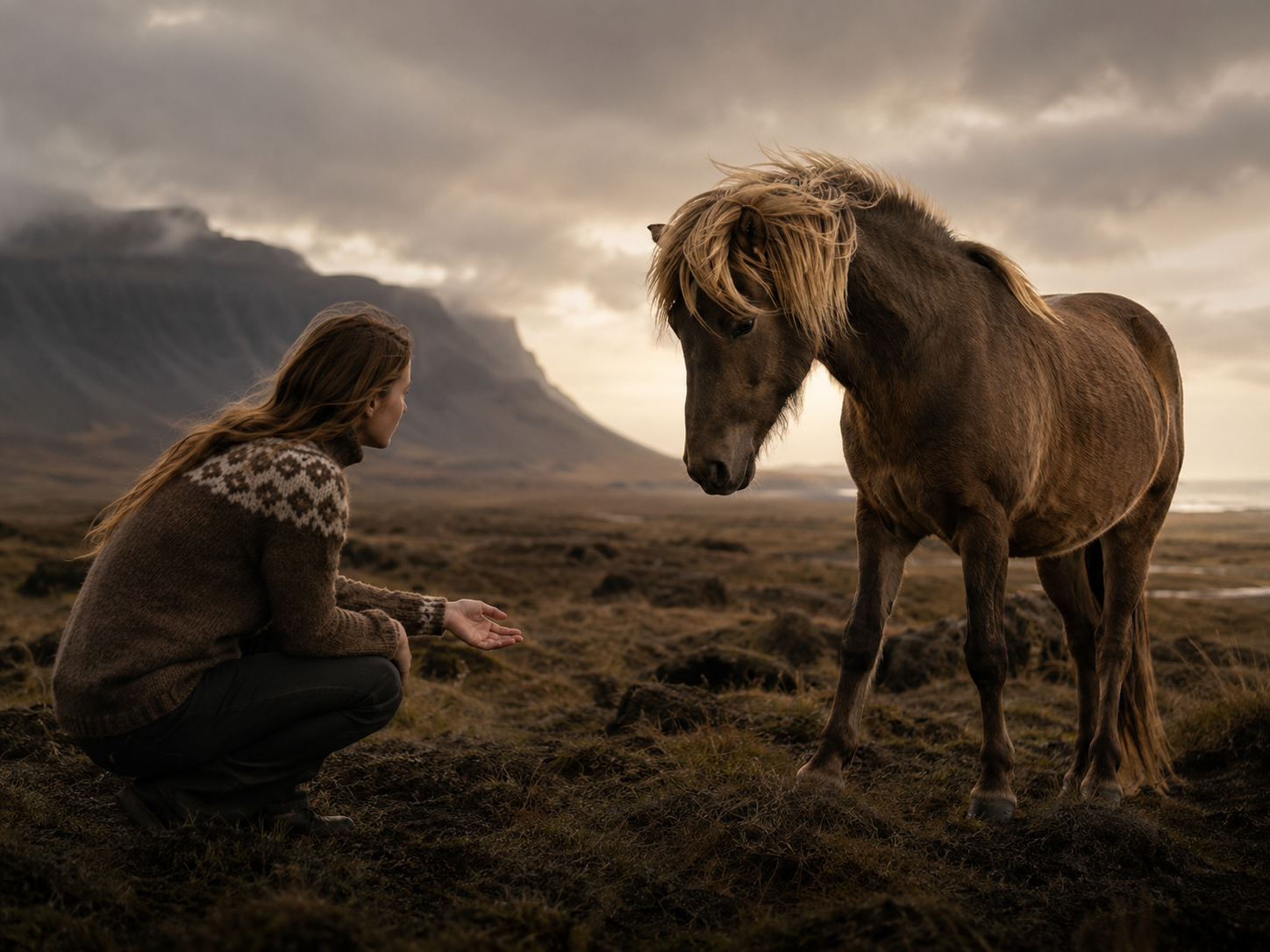
Why the human role becomes clearer, not weaker, when control stops being the centre.
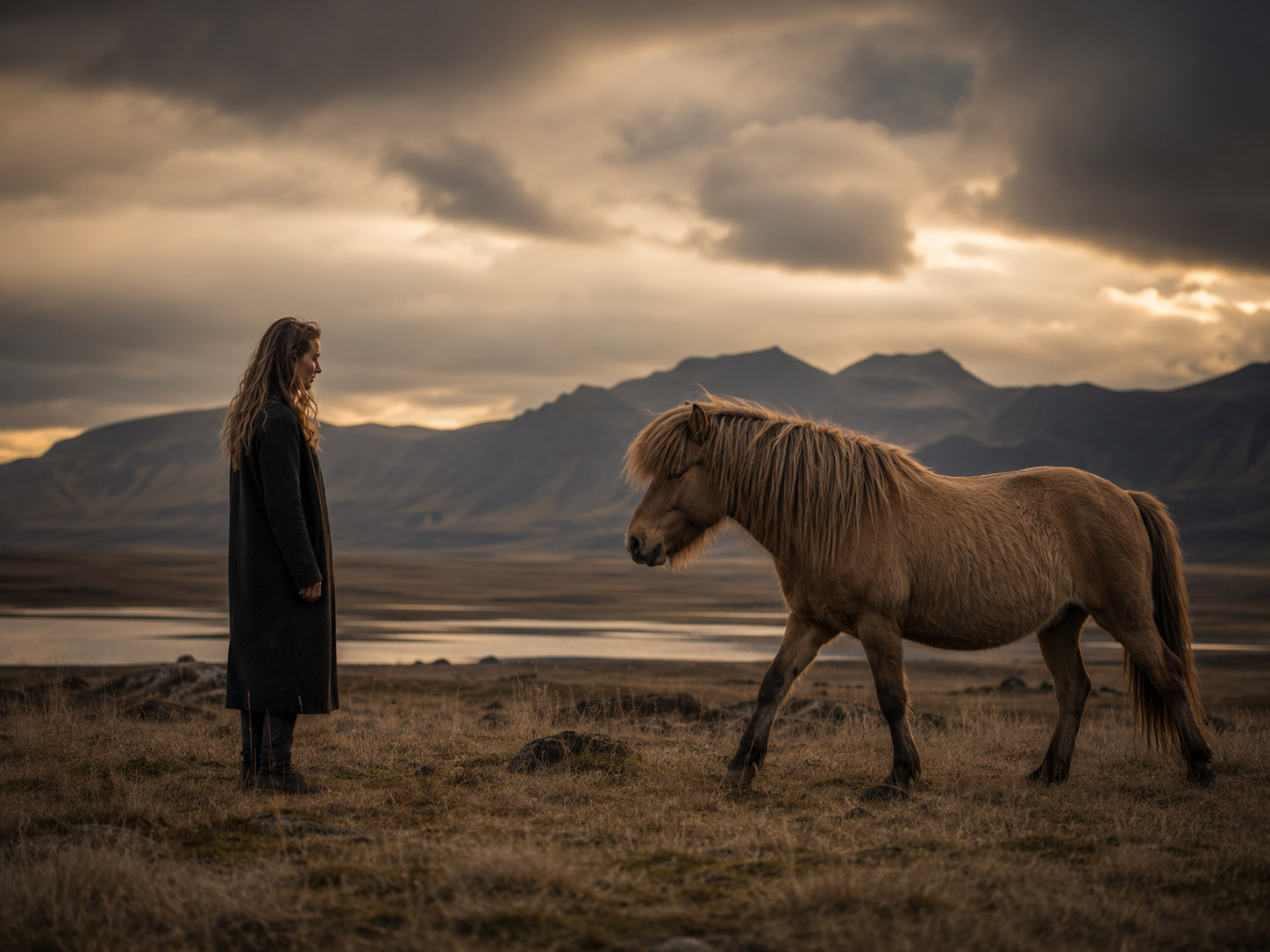
Why the human-horse bond does not have to be justified by riding.
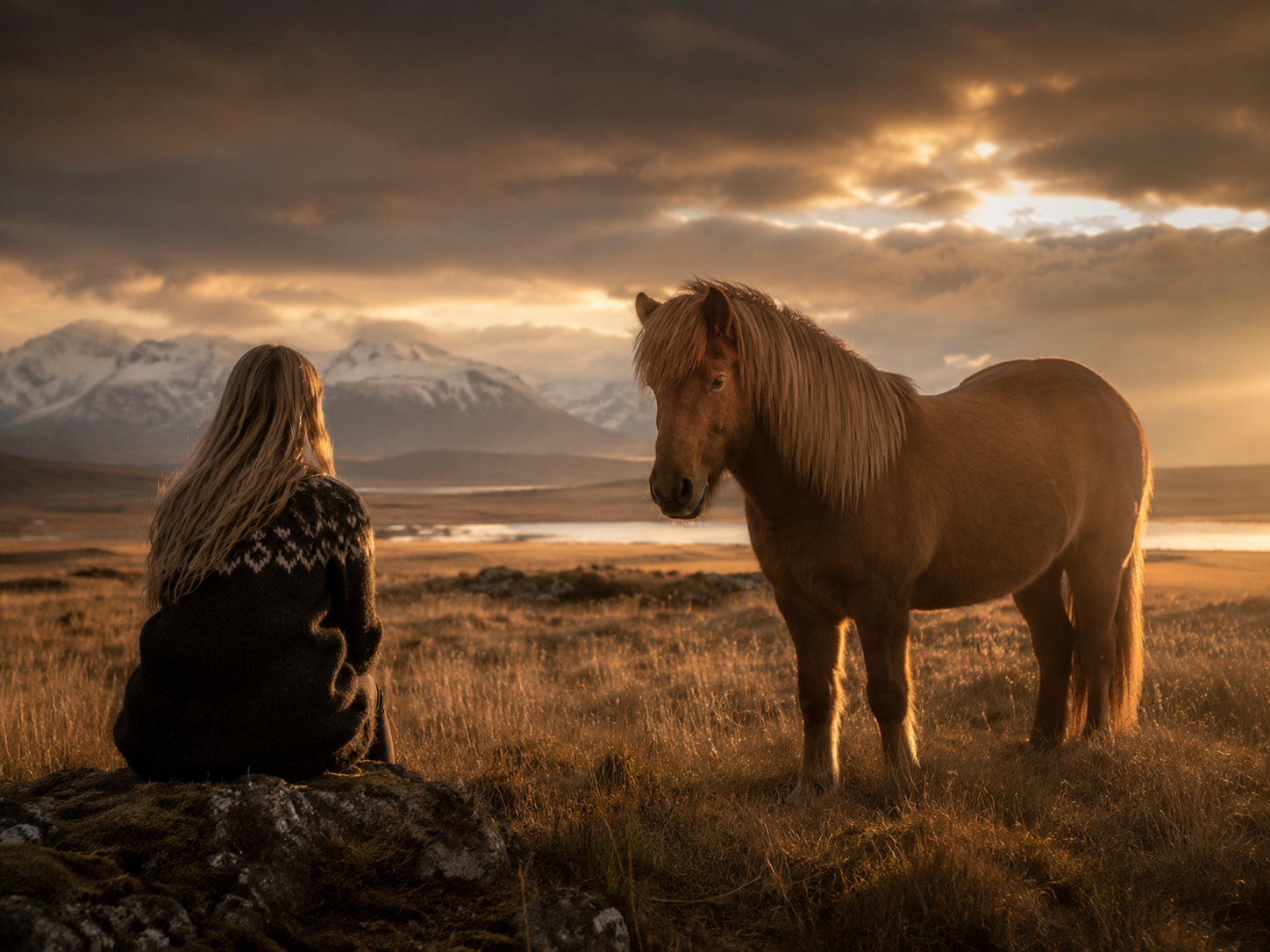
Why a horse’s value does not depend on performance, service, breeding, or human benefit.
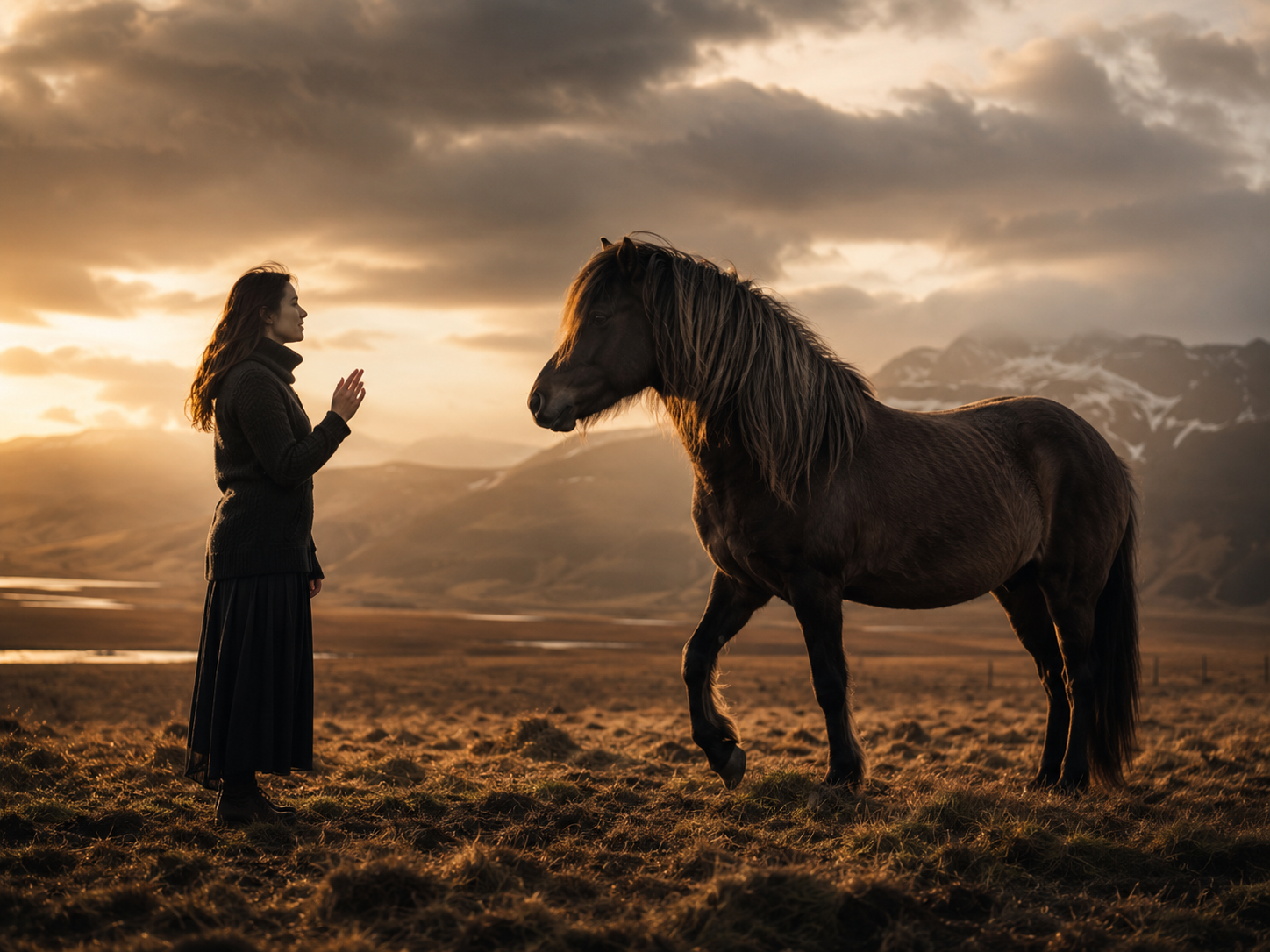
Why coexistence is not a fantasy of wildness, but a practical redesign of domestic horse life.
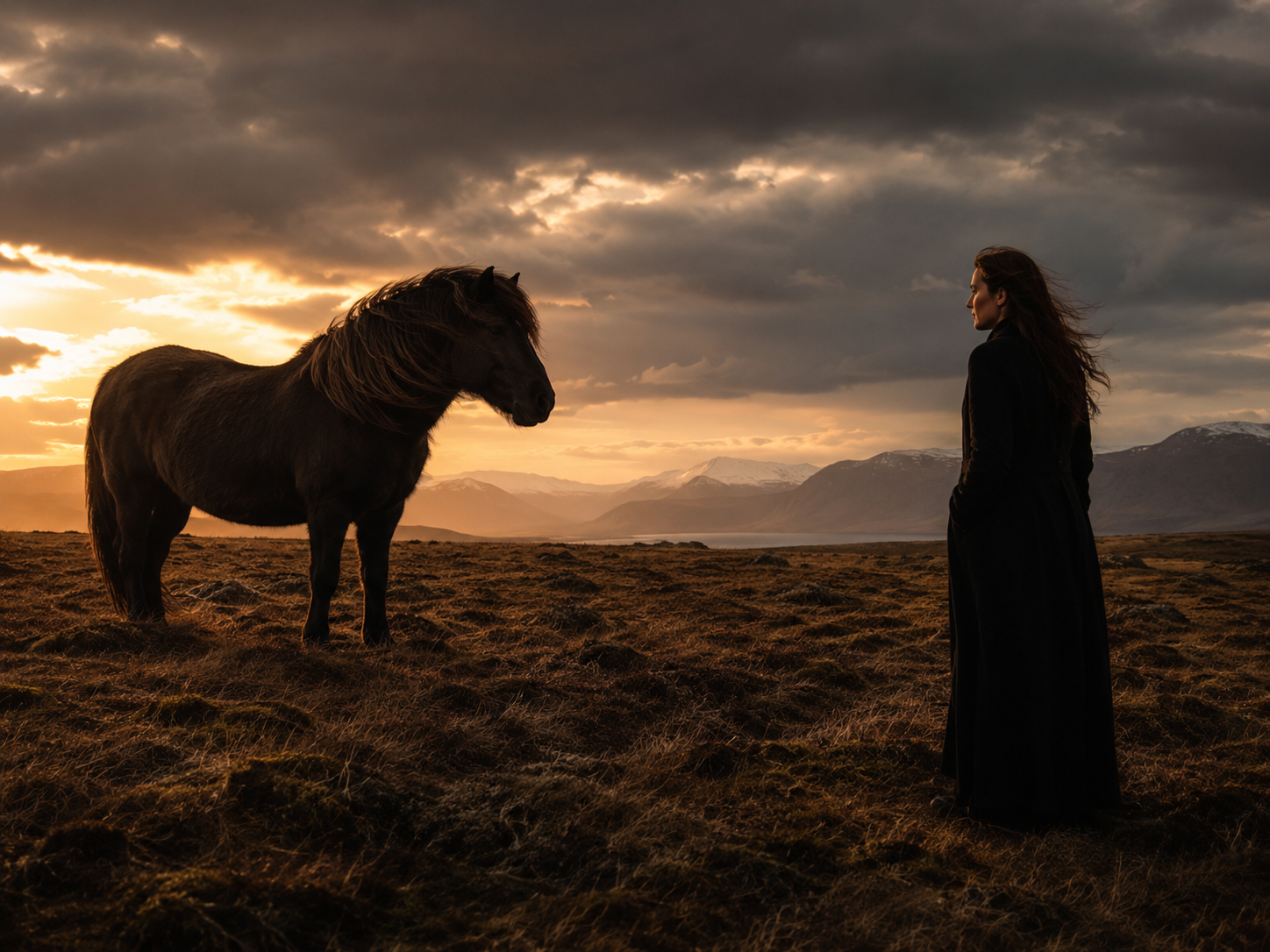
Why calmness often appears when the horse can control distance, timing, food access, and social position.
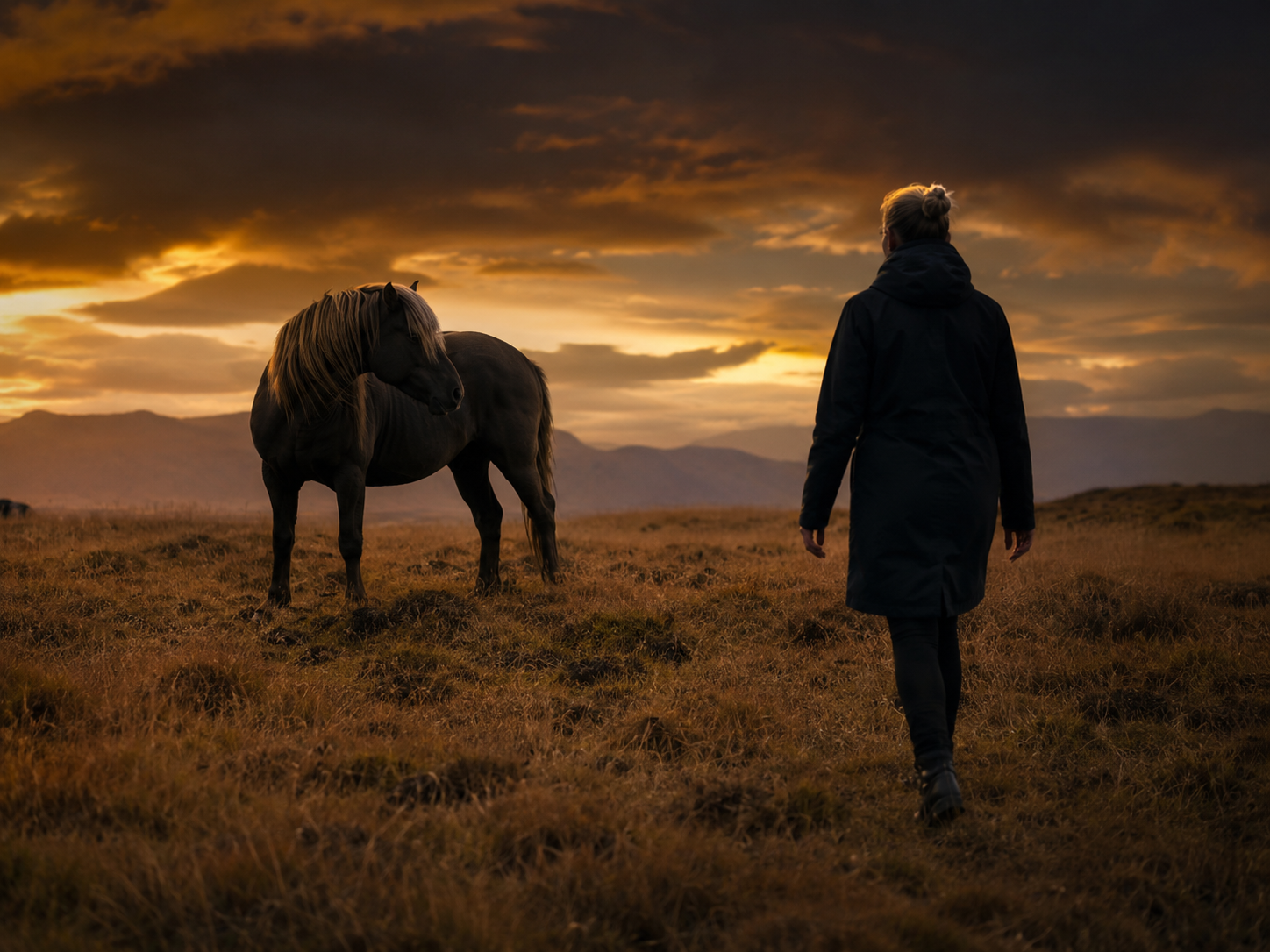
Why the emotional meaning of feeding depends not only on quantity, but on access, waiting, and control.
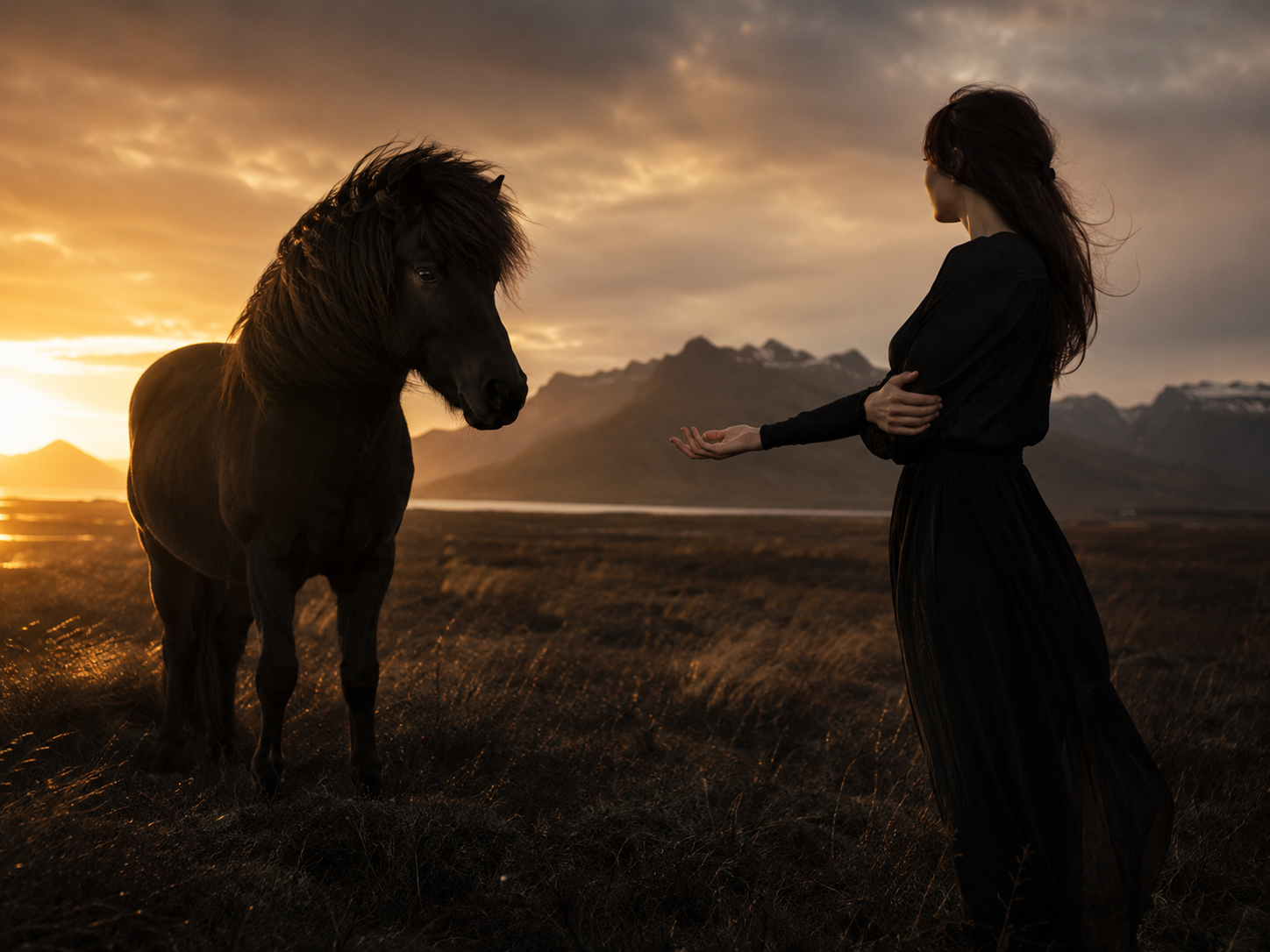
Why increasing feeding frequency can fail when the horse still waits for human-controlled access.
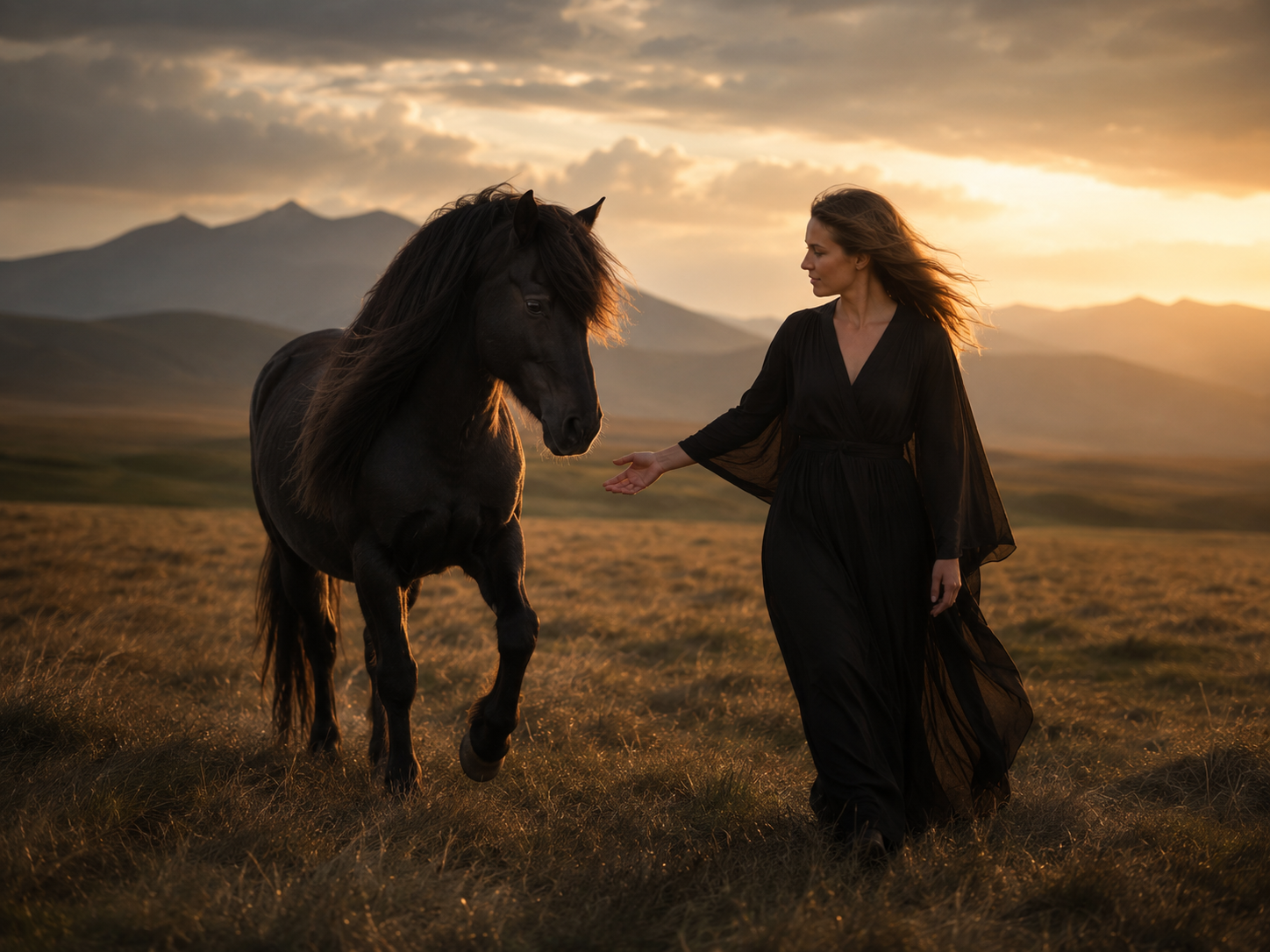
Why slow feeders can help, and why they are not the same as a truly natural feeding life.
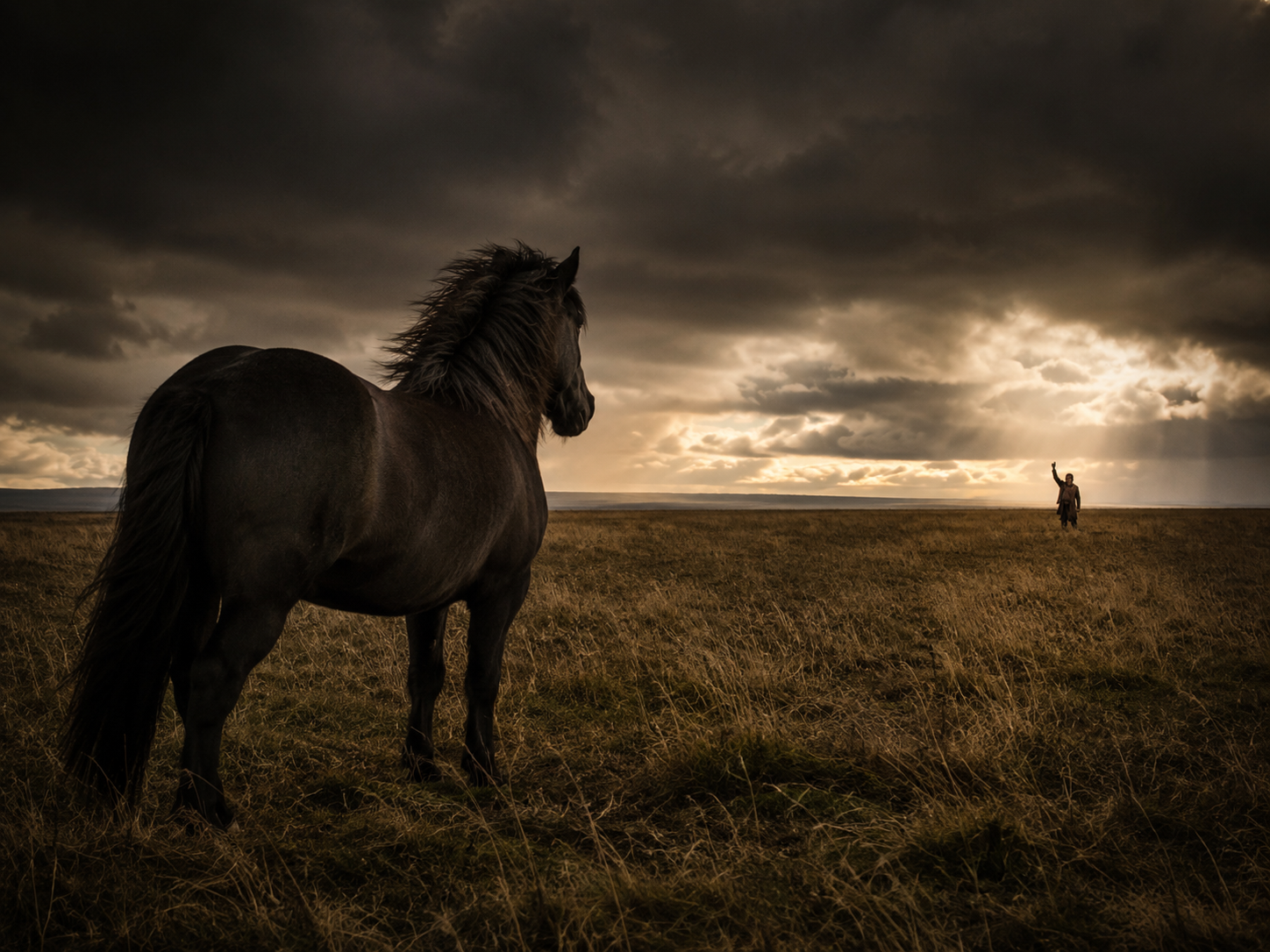
Why waiting for humans can become one of the quietest sources of horse stress.
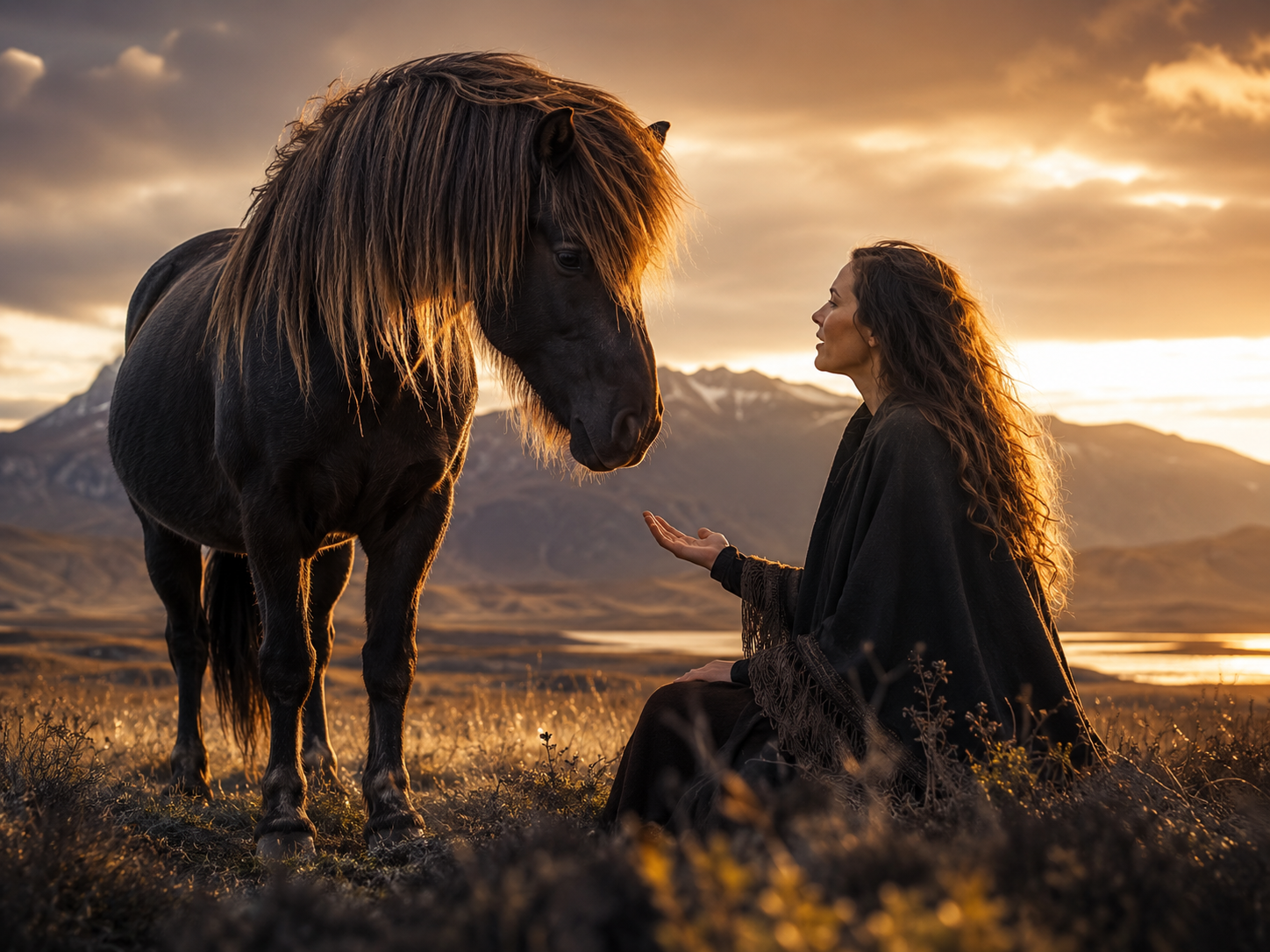
Why rest is not only a physical issue, but a social achievement in the herd.
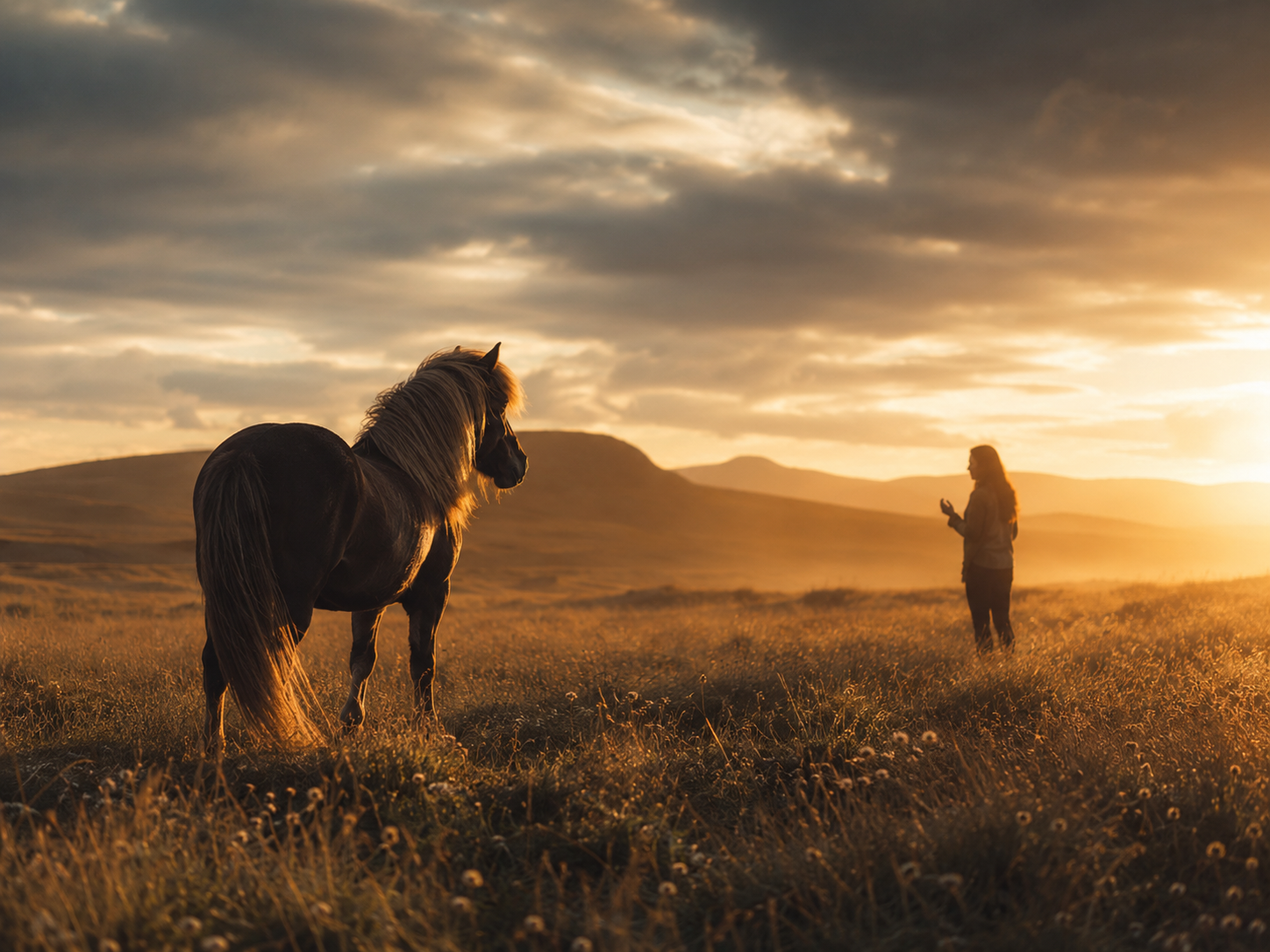
Why behavioural improvement may appear when humans remove unnecessary control instead of adding another method.
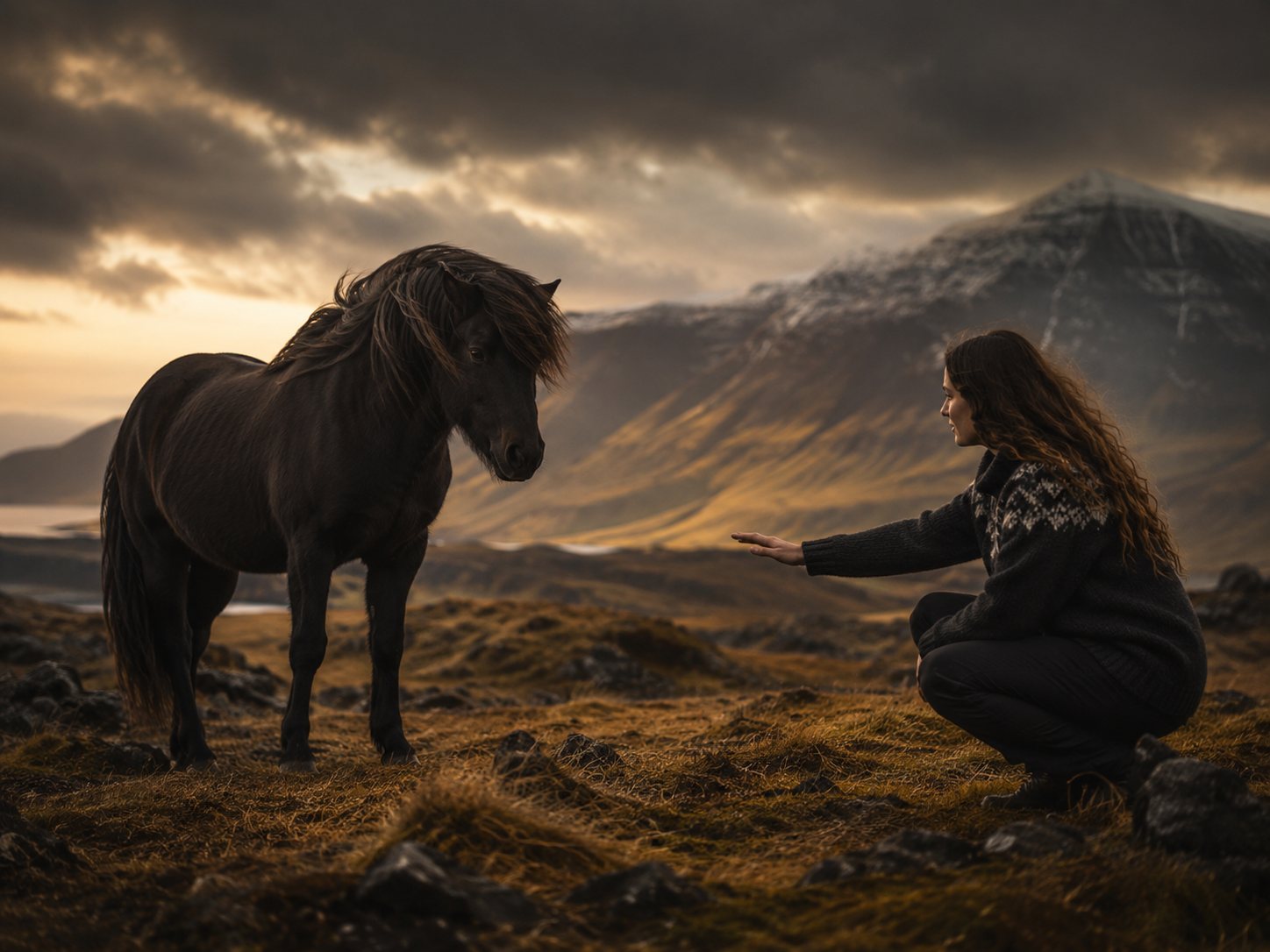
How coordinated resting can reveal the invisible architecture of herd security.
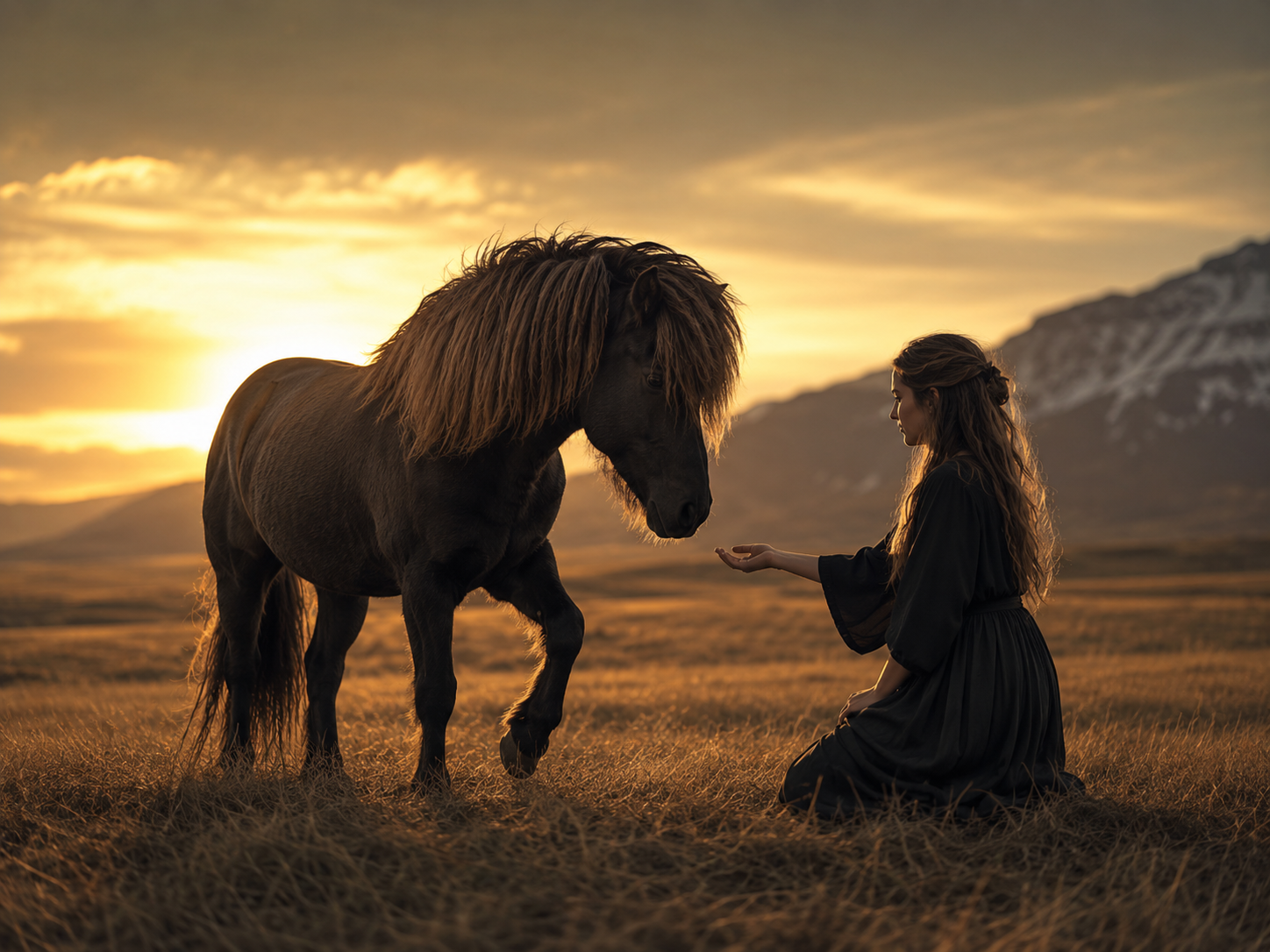
Why the horse standing at the edge may not be lonely, submissive, or rejected, but showing a specific social position.
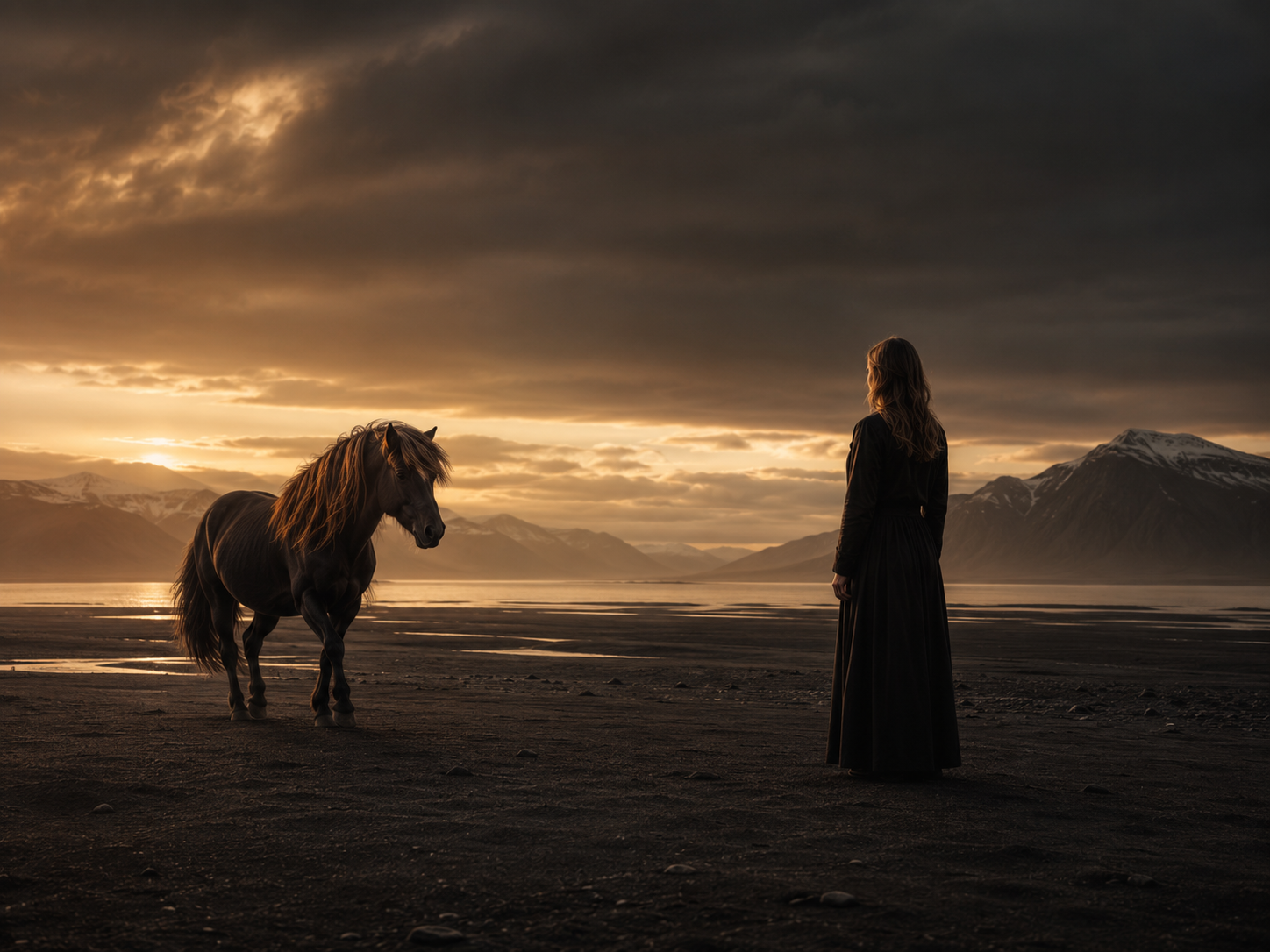
Why mutual grooming, calm nearness, and chosen touch reveal more than affection alone.
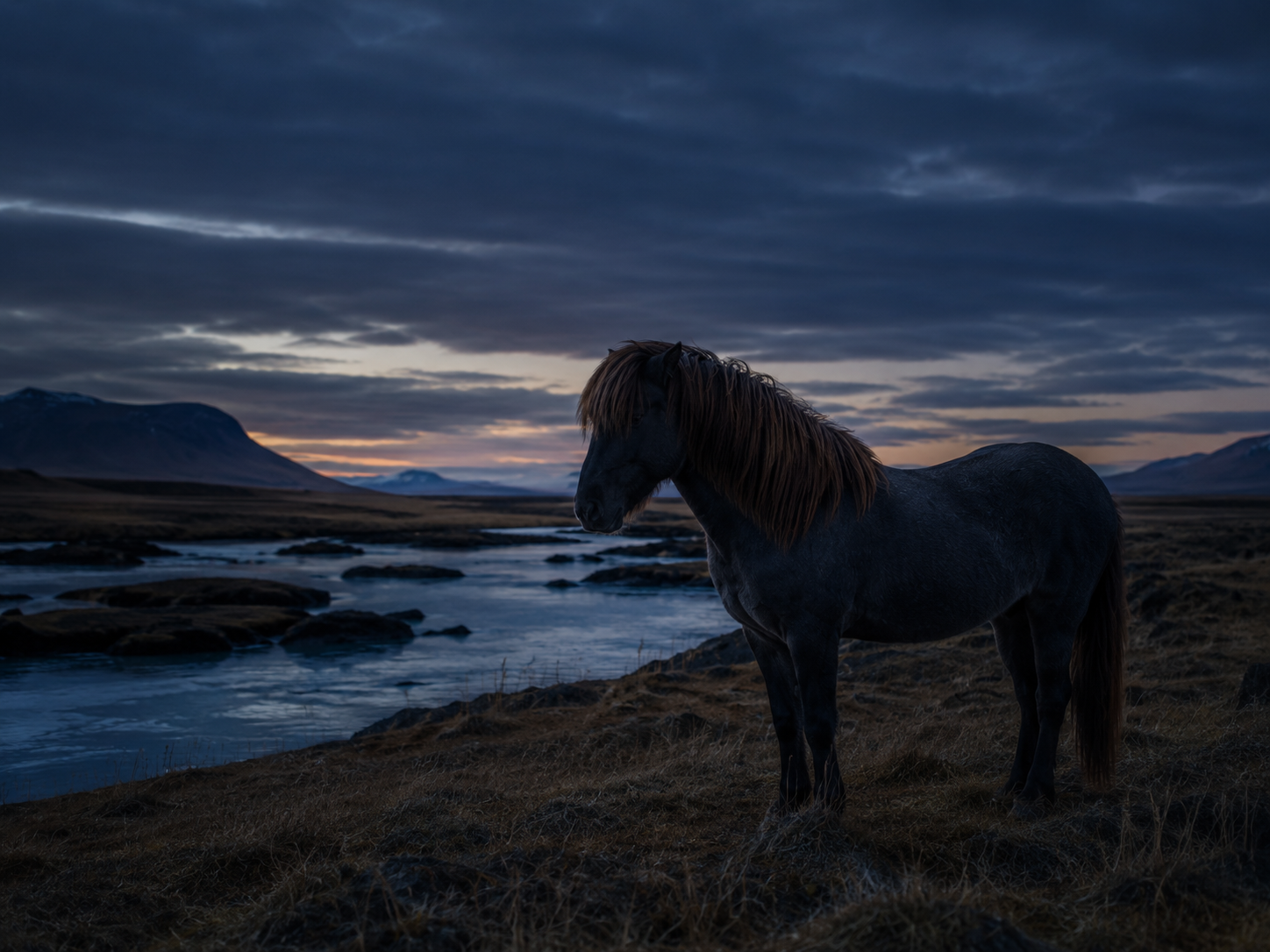
How hay, water, shade, gates, and shelter reveal the true social temperature of a group.
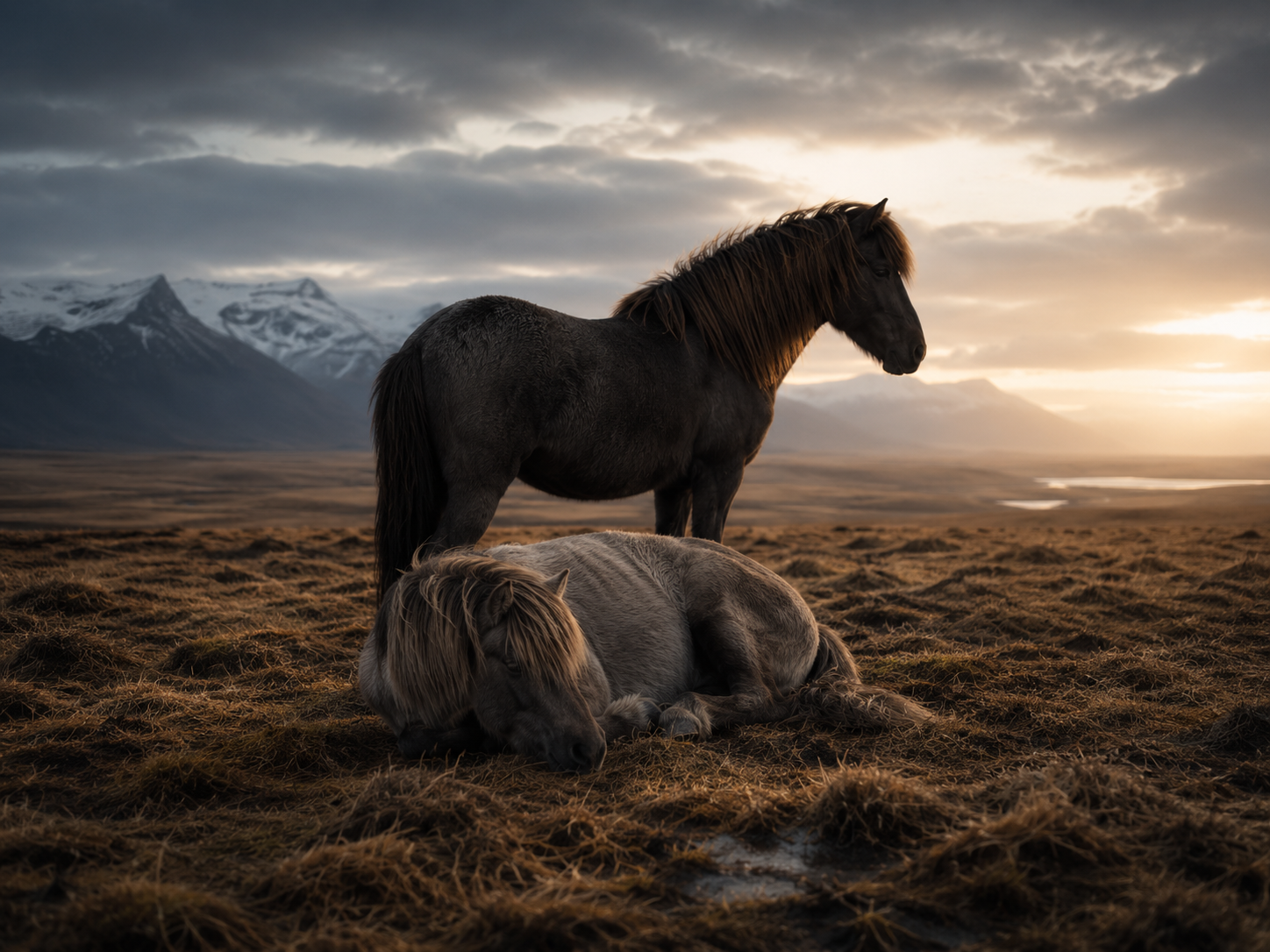
Why movement order in the herd is more subtle than dominance language suggests.
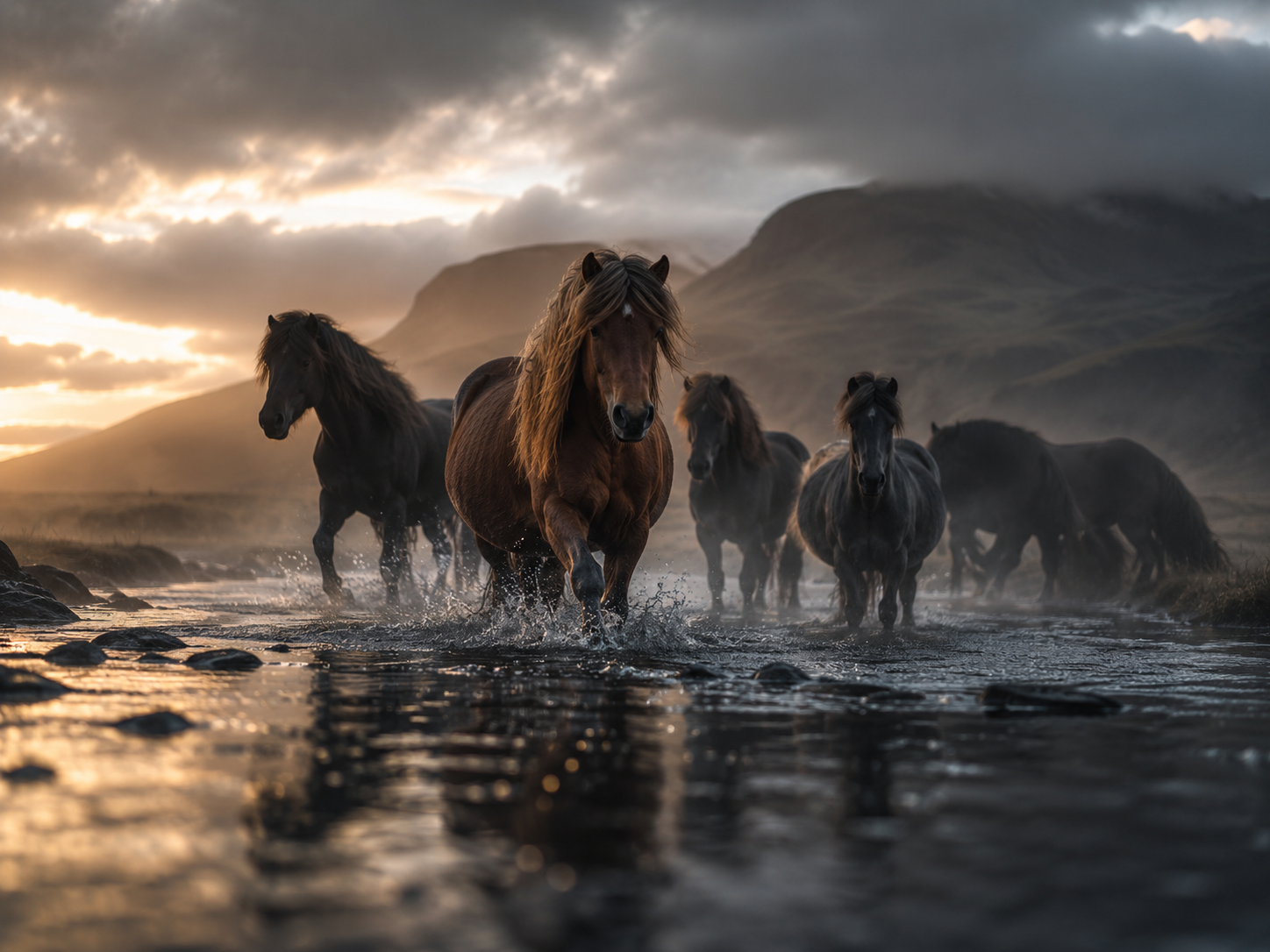
How stable herds are held together by countless small negotiations humans often miss.
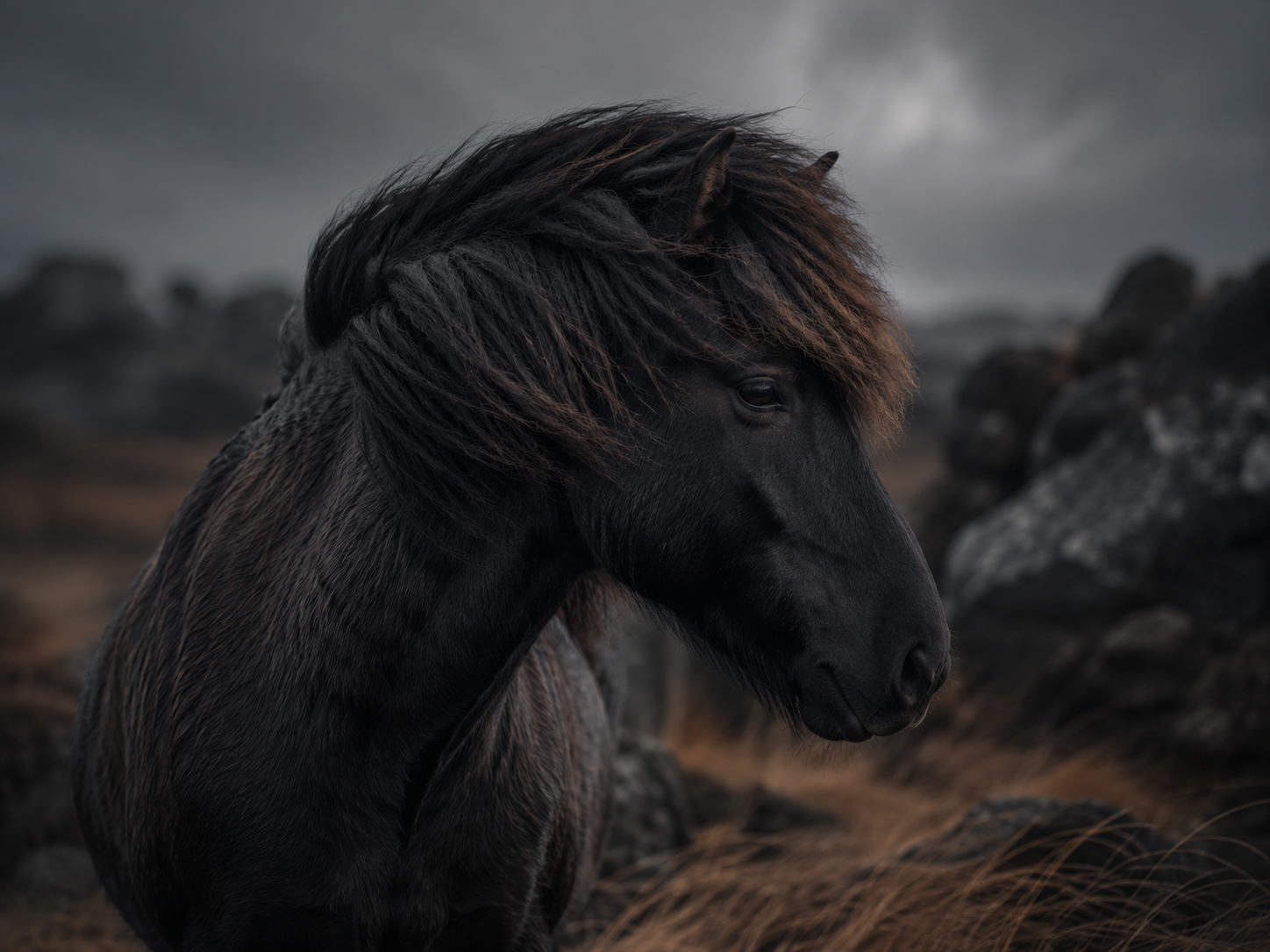
Why the first uncorrected moment often reveals the horse more honestly than any planned exercise.

Why ground, weather, herd position, and routine should be read together instead of separately.
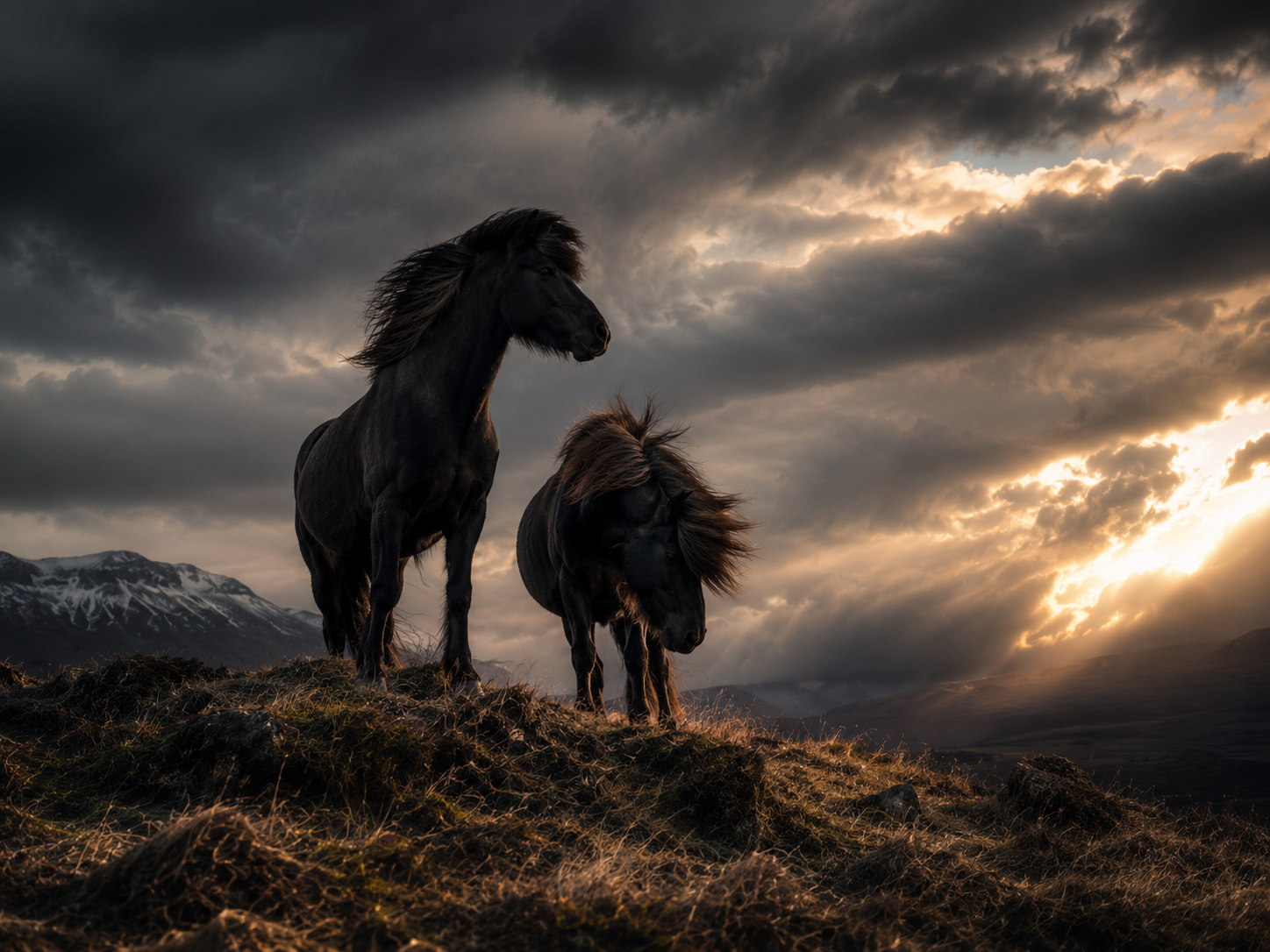
Why quiet non-action can be one of the most difficult and revealing practices around horses.
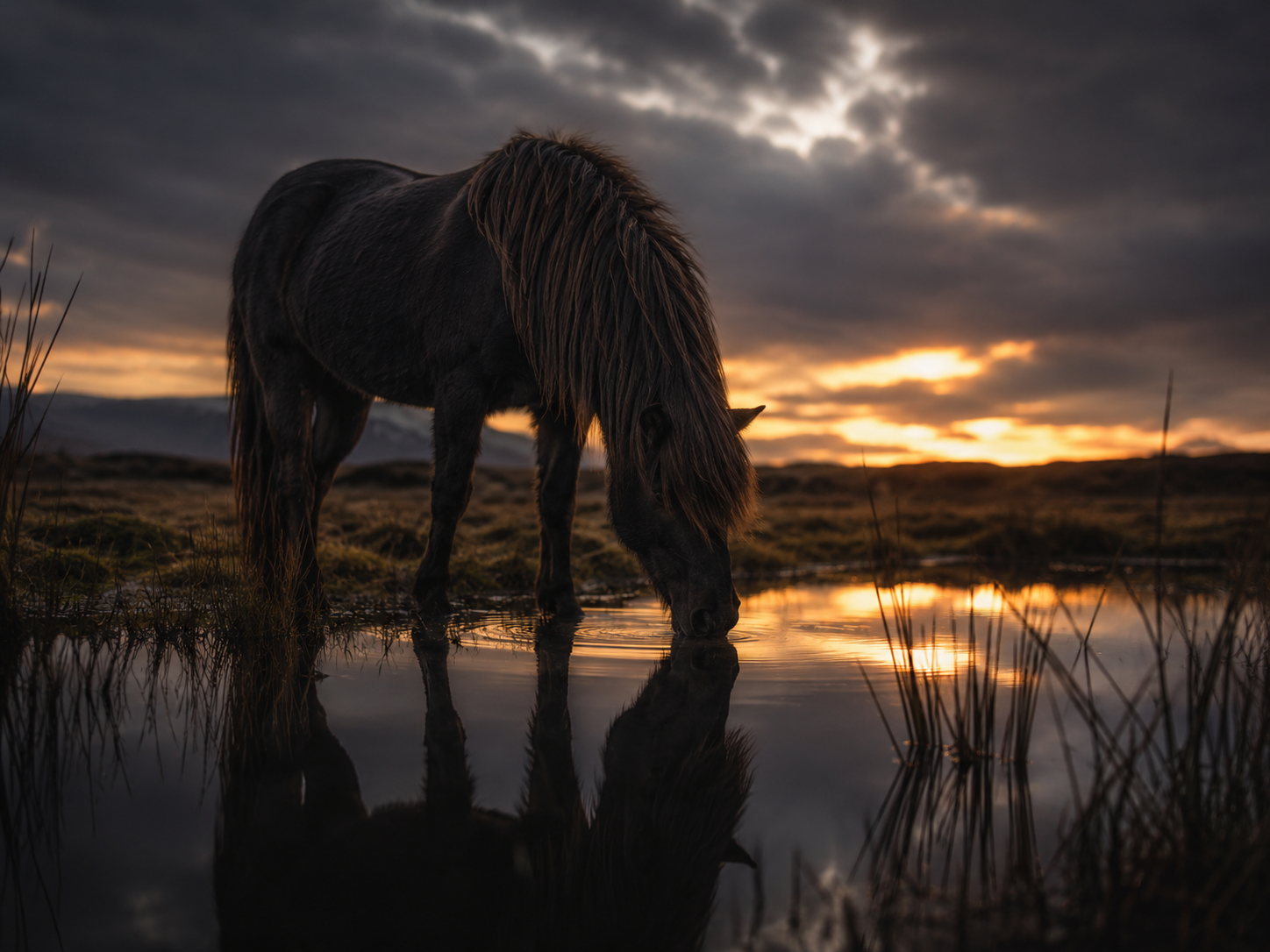
Why horses may accept humans more deeply when we stop behaving like managers of every moment.
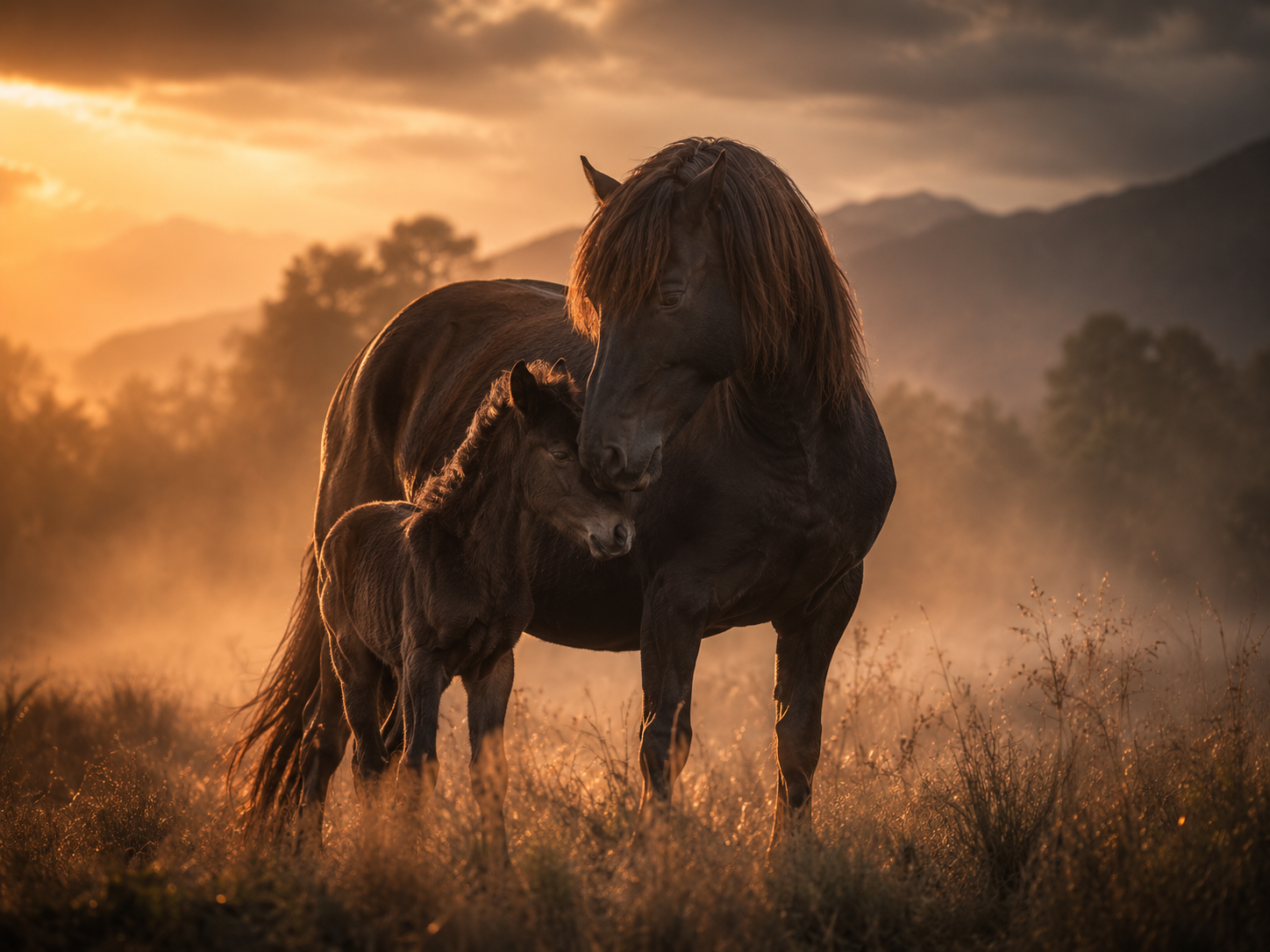
How waiting gives the horse time to reveal choice, uncertainty, curiosity, and consent.

Why the horse’s response to your body is also information about yourself.
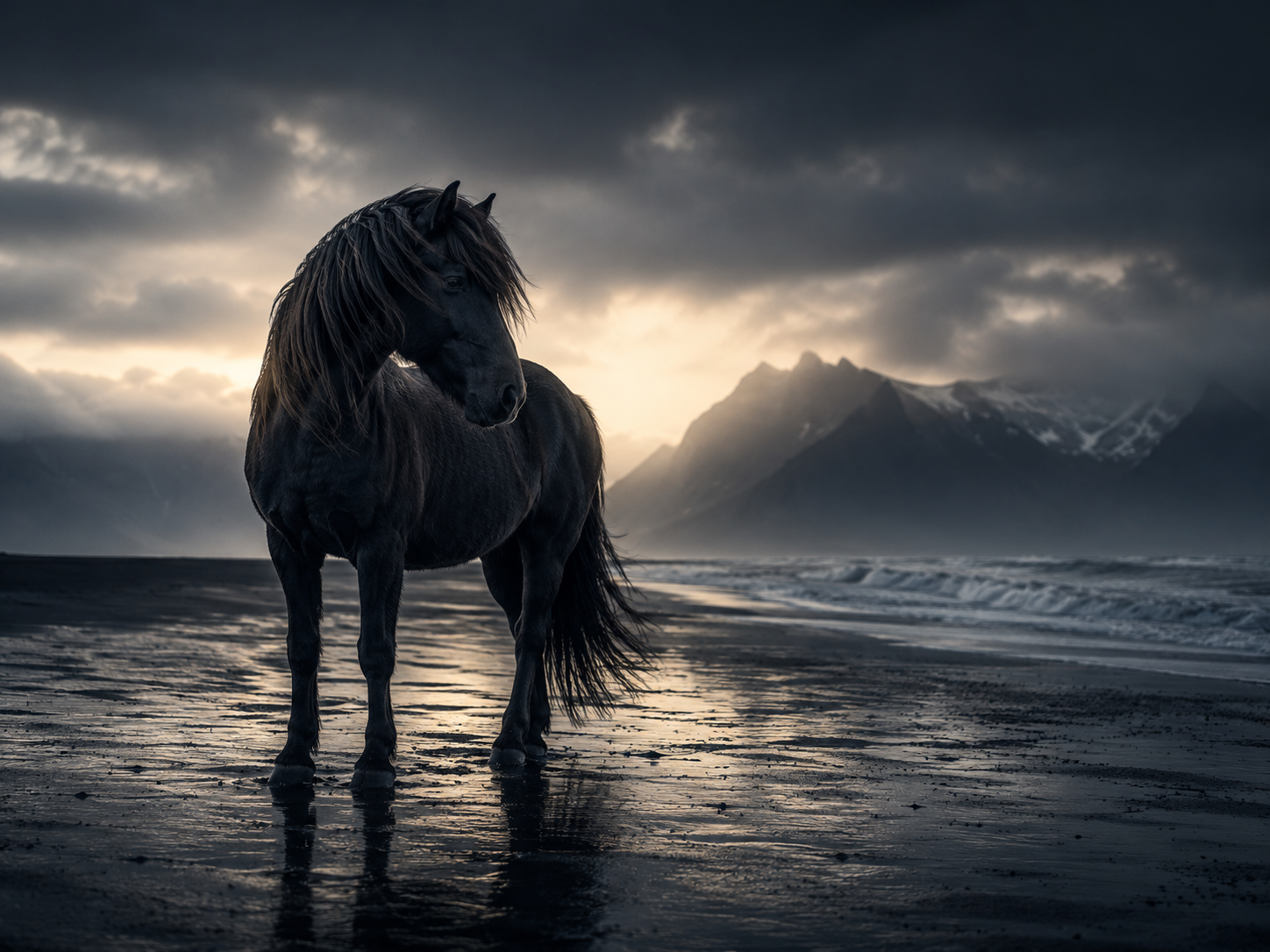
Why allowing natural behaviour does not only benefit the horse; it gives the human a richer horse to know.
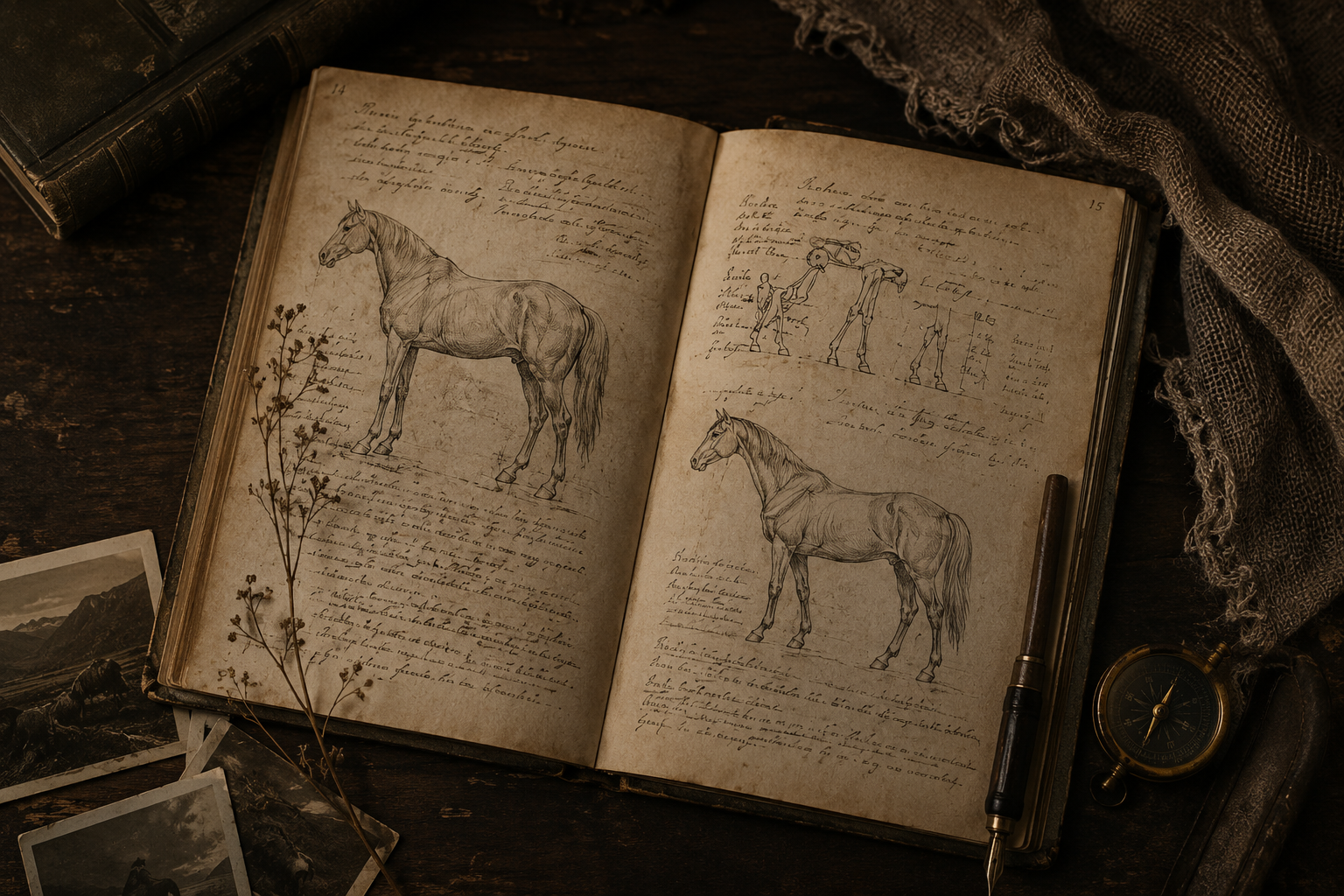
Why respect is not an emotional slogan, but the first condition for accurate observation.
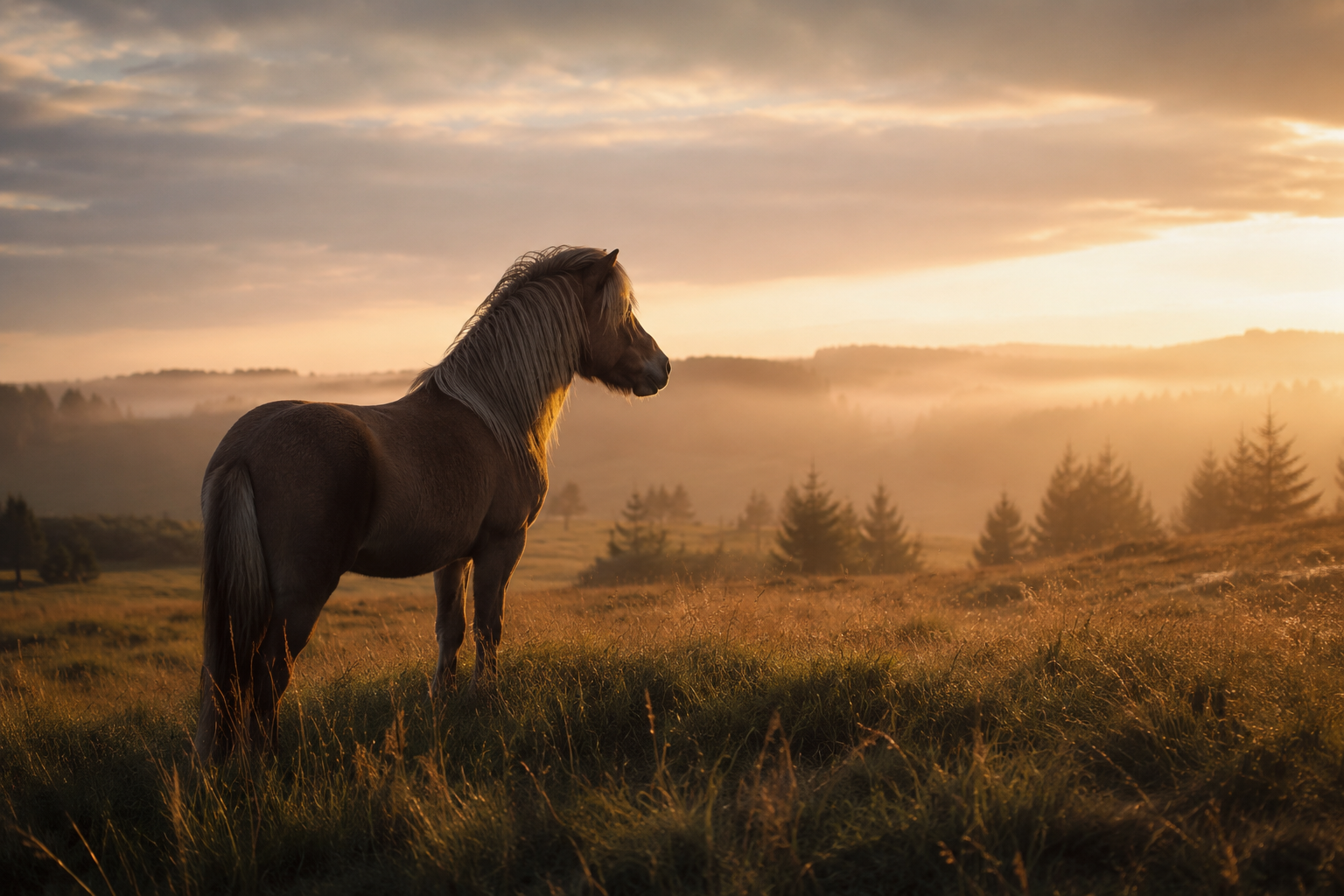
Why routines can support calm, but cannot replace choice, predictability, and felt safety.
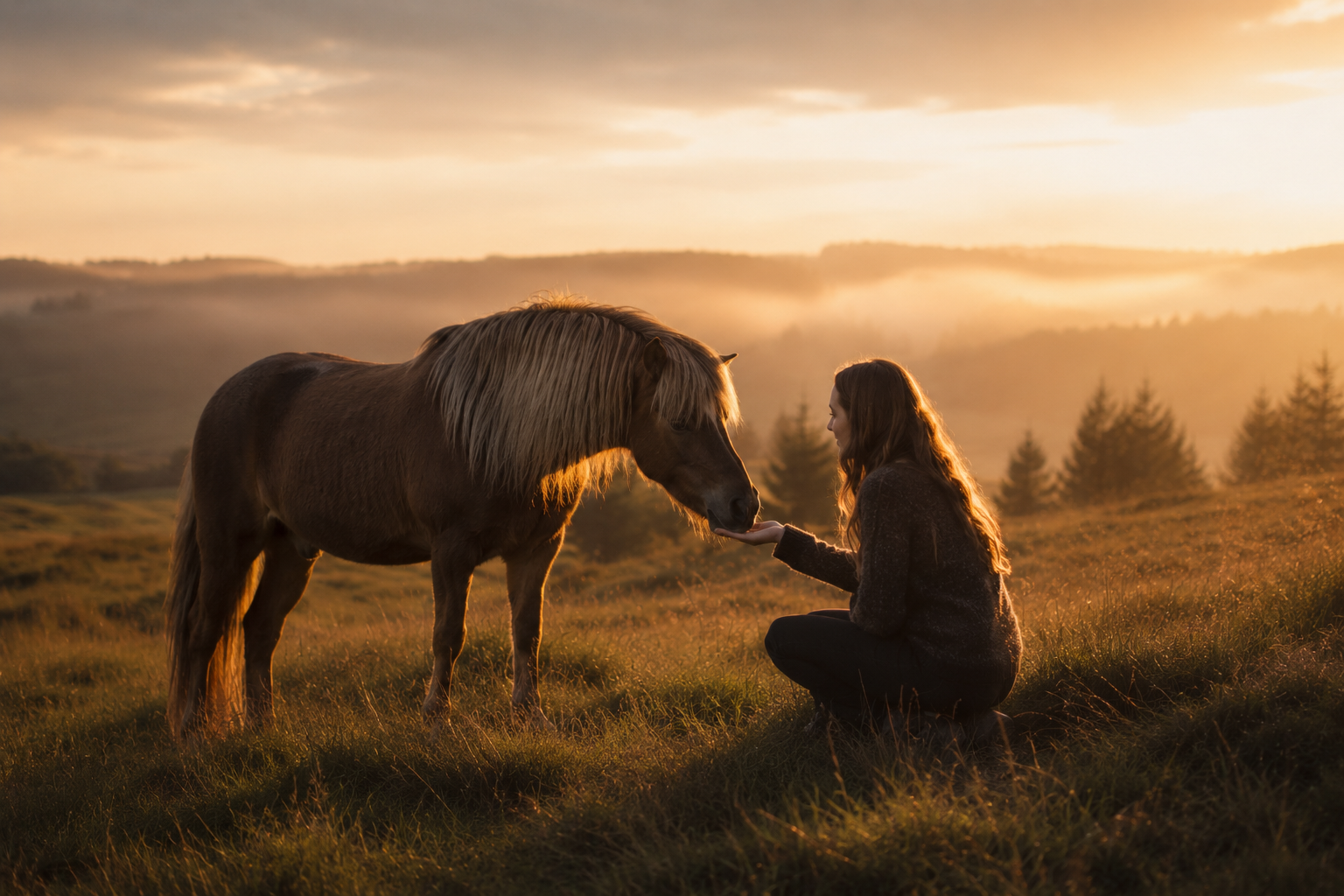
Why soil moved by small animals can be a living process, not merely a surface problem.
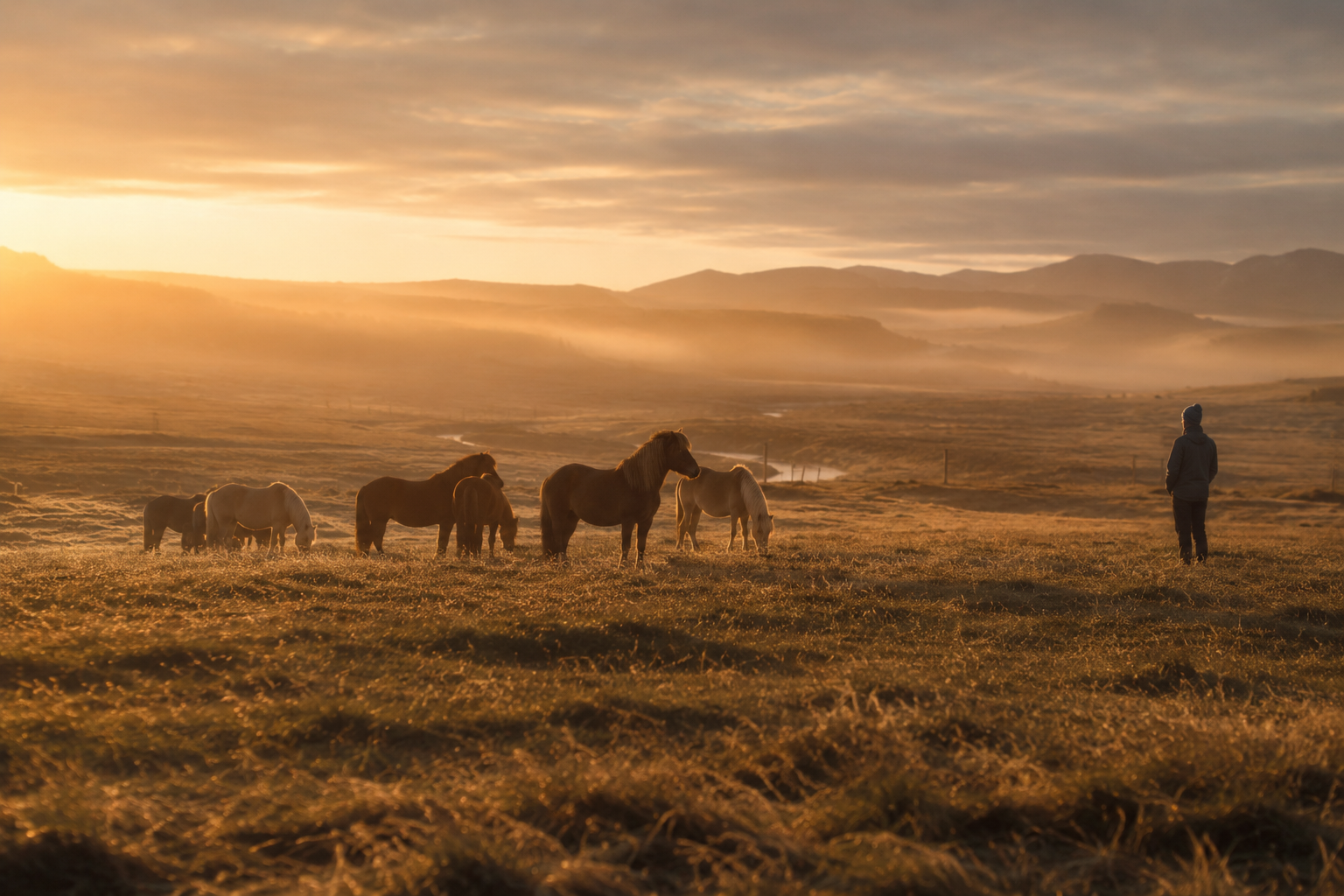
How hoof traffic changes the soil, and why grass problems may begin below the surface.
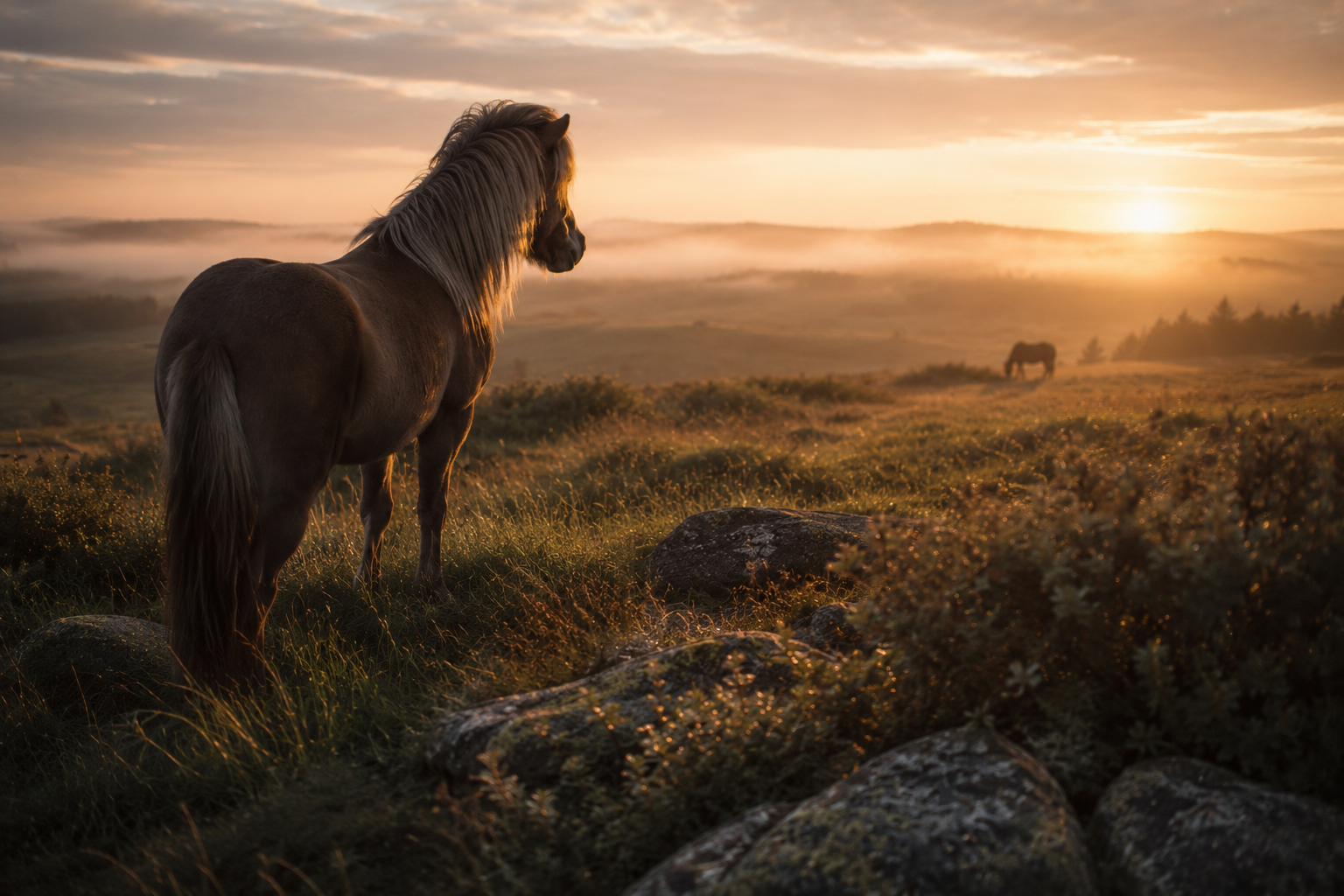
Why a field that looks uneven to humans may offer richer choices to horses.
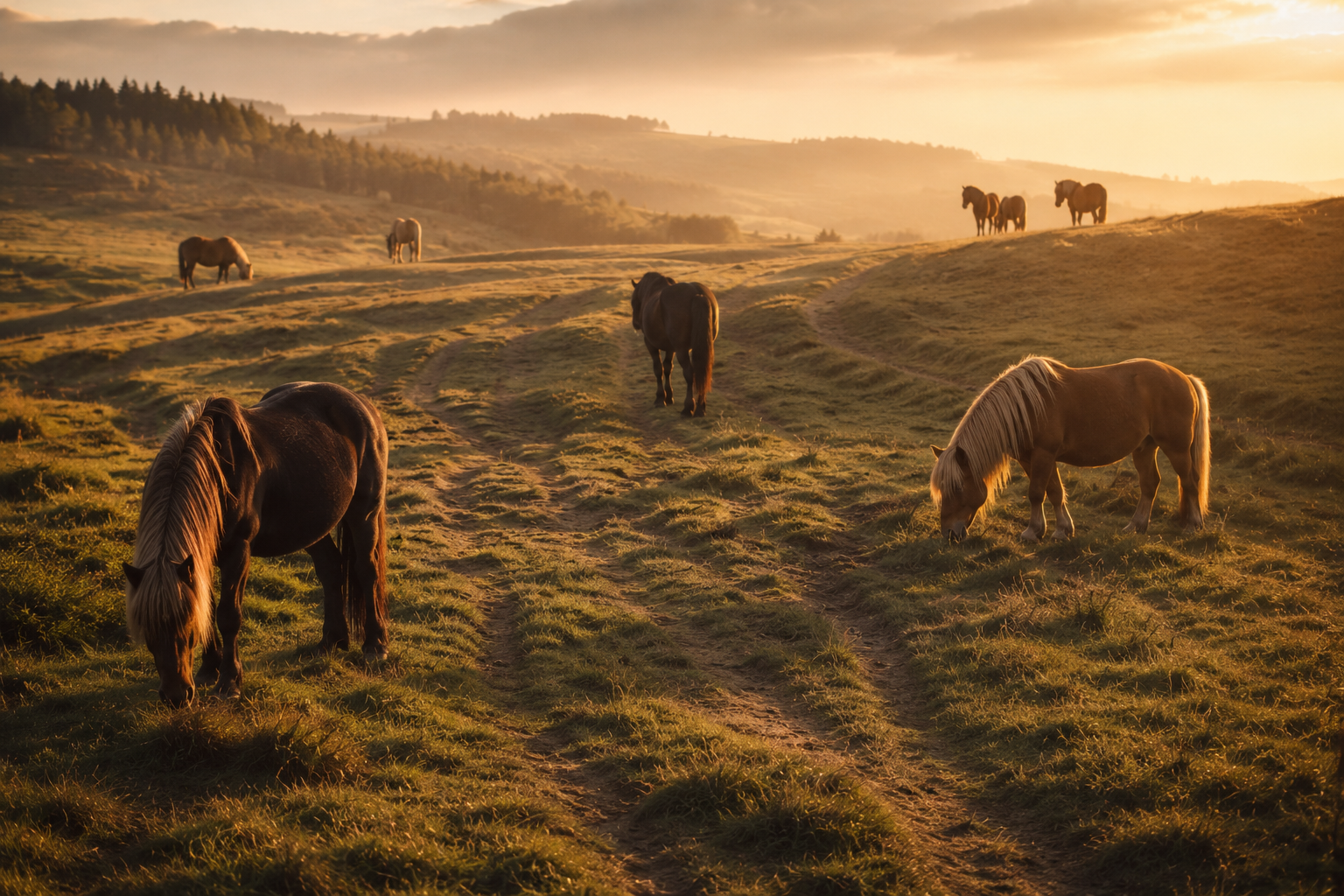
Why pasture should not be understood as a food surface, but as a living network.
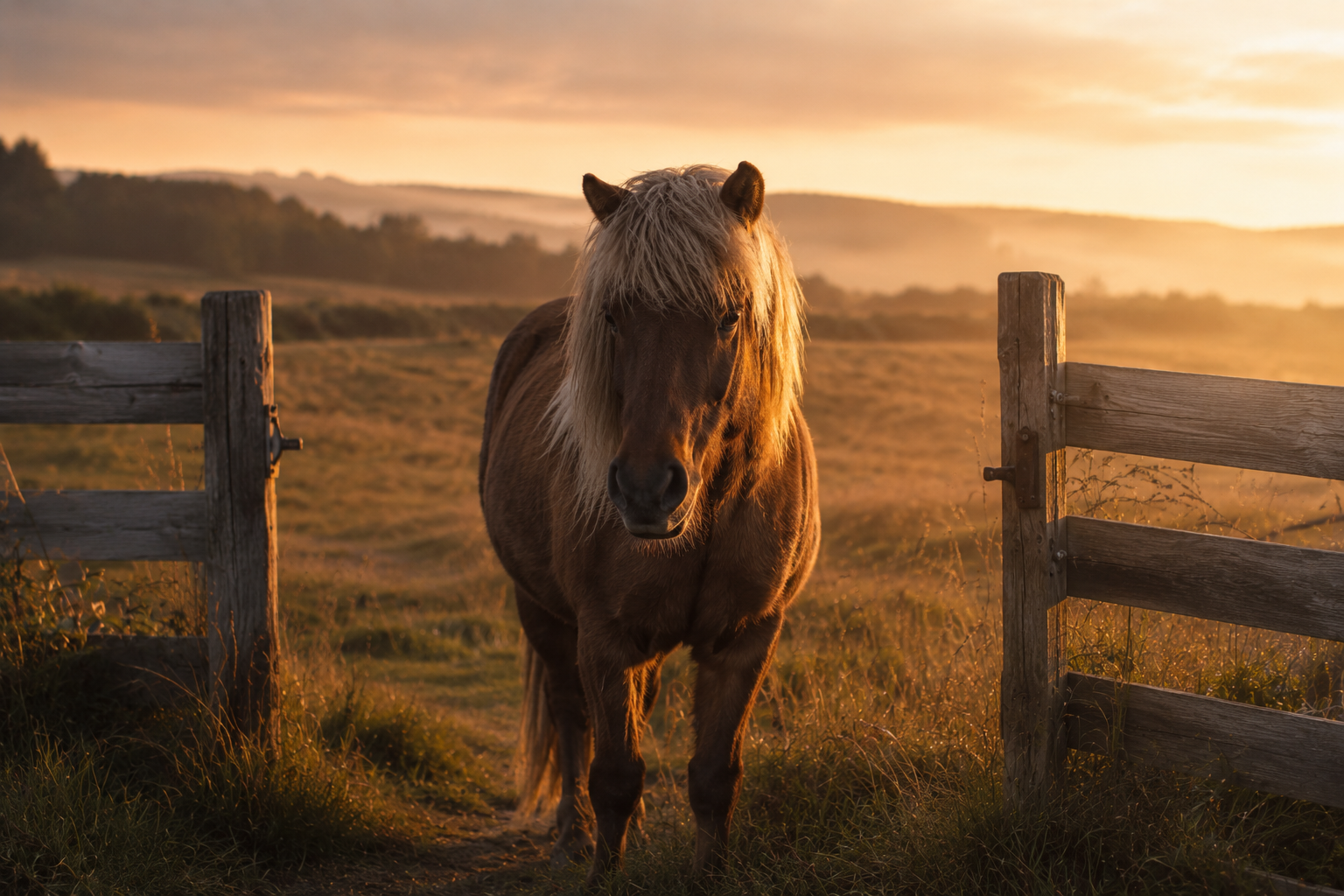
How dung, soil life, plants, and movement can turn waste into field intelligence.
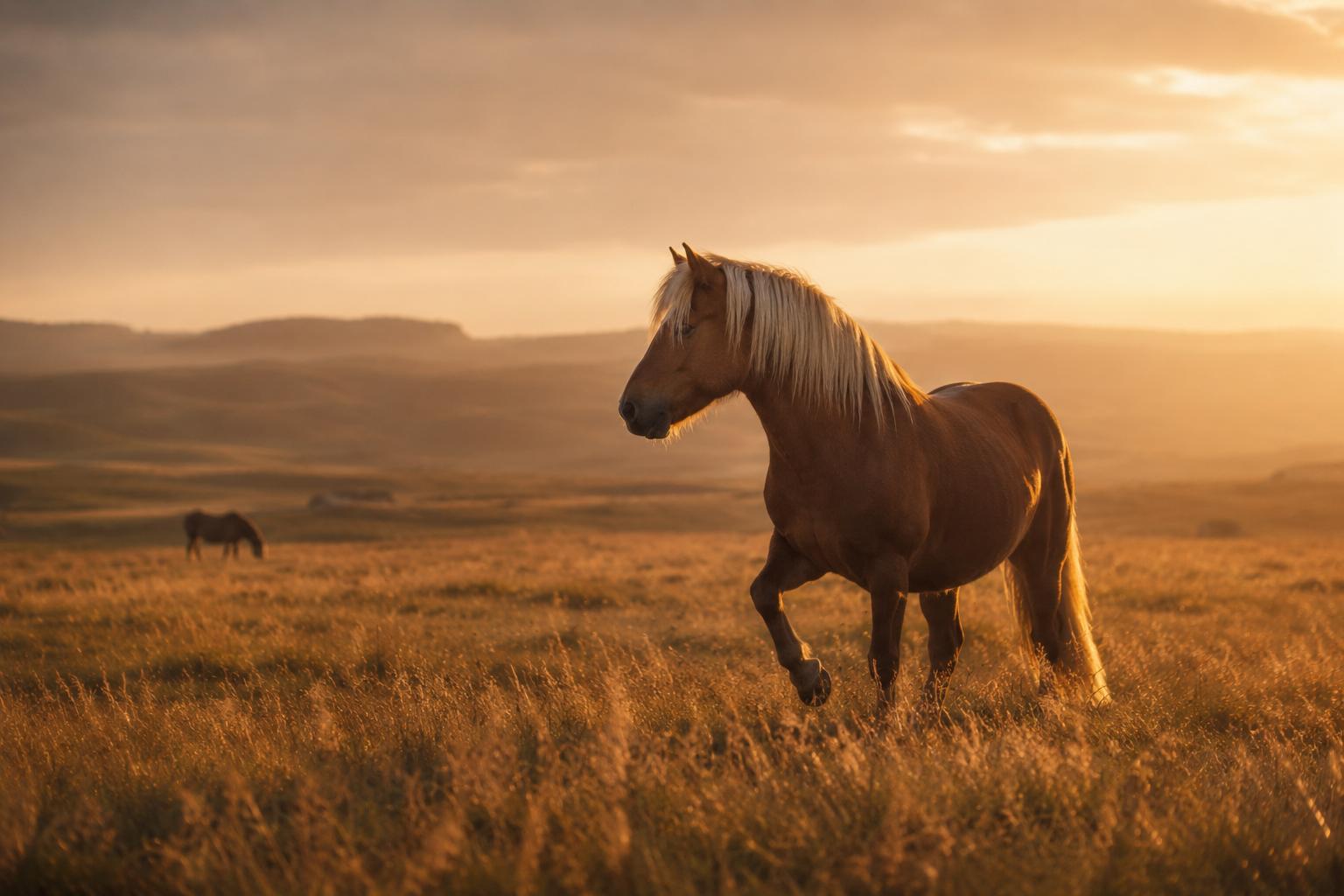
Why better horse care often begins by understanding what the ground is already trying to do.
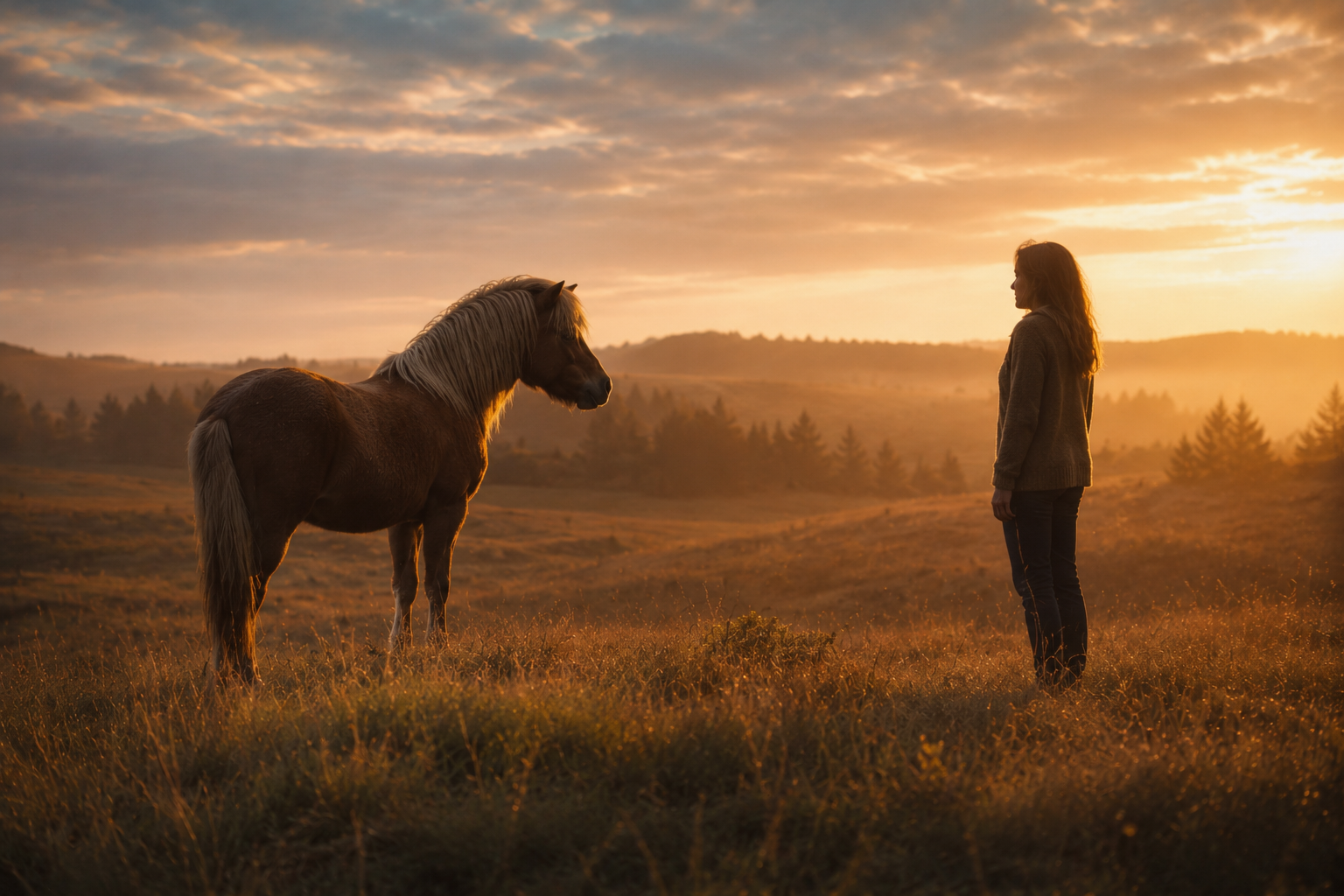
How over-protection can weaken the very capacities it intends to preserve.
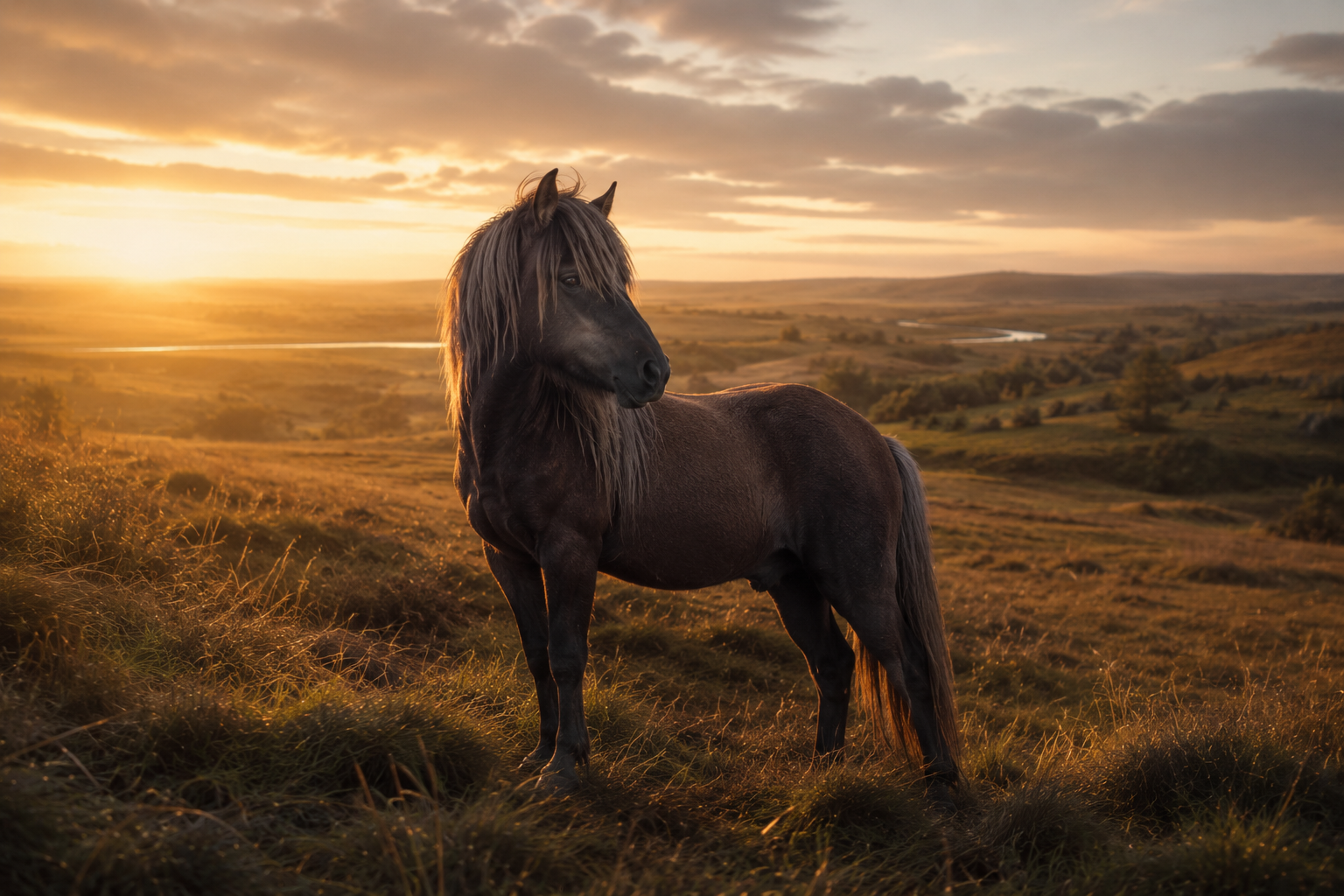
Why restricting movement to prevent problems can quietly create different problems.
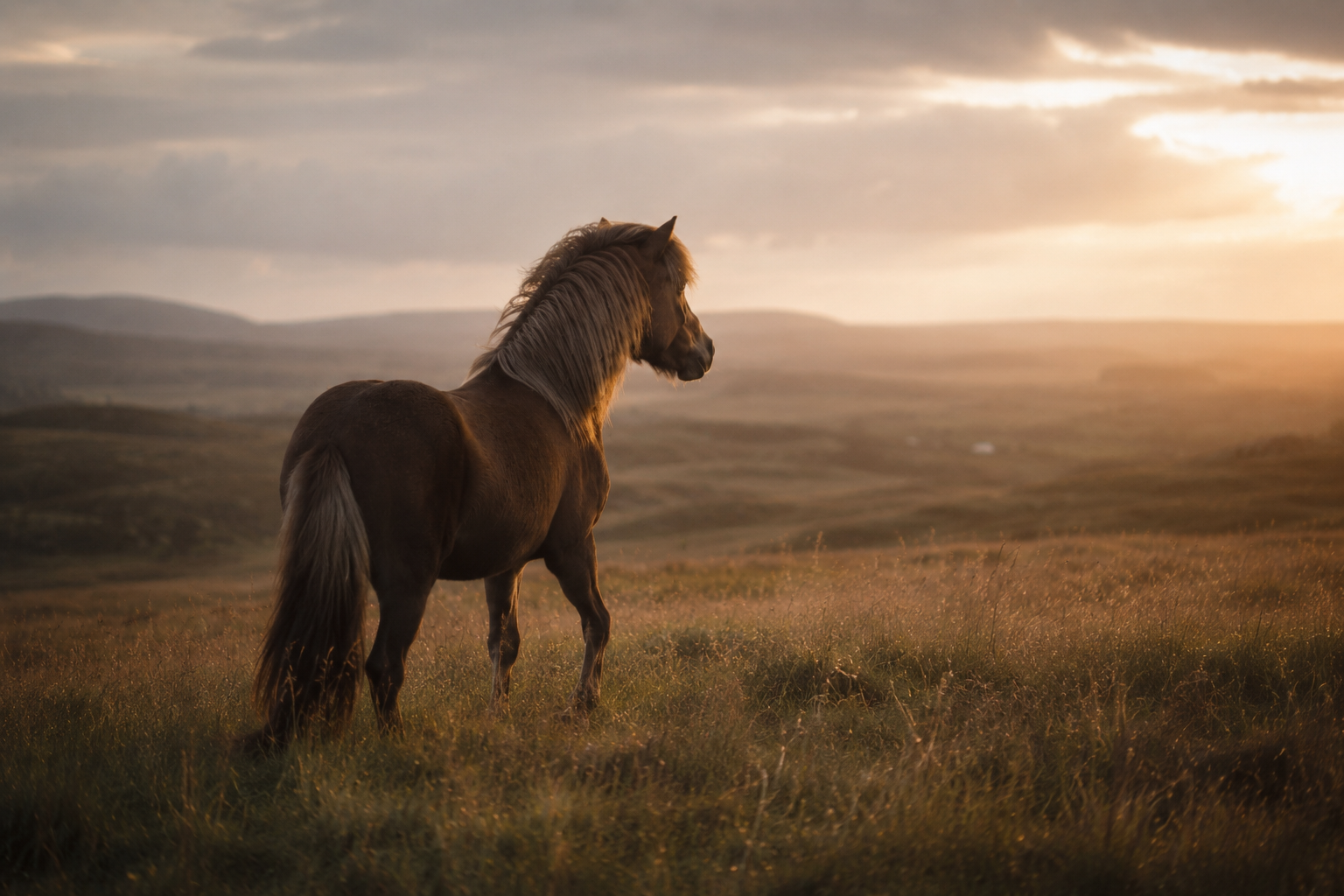
Why many care routines may be compensations for environments that stopped maintaining the horse naturally.
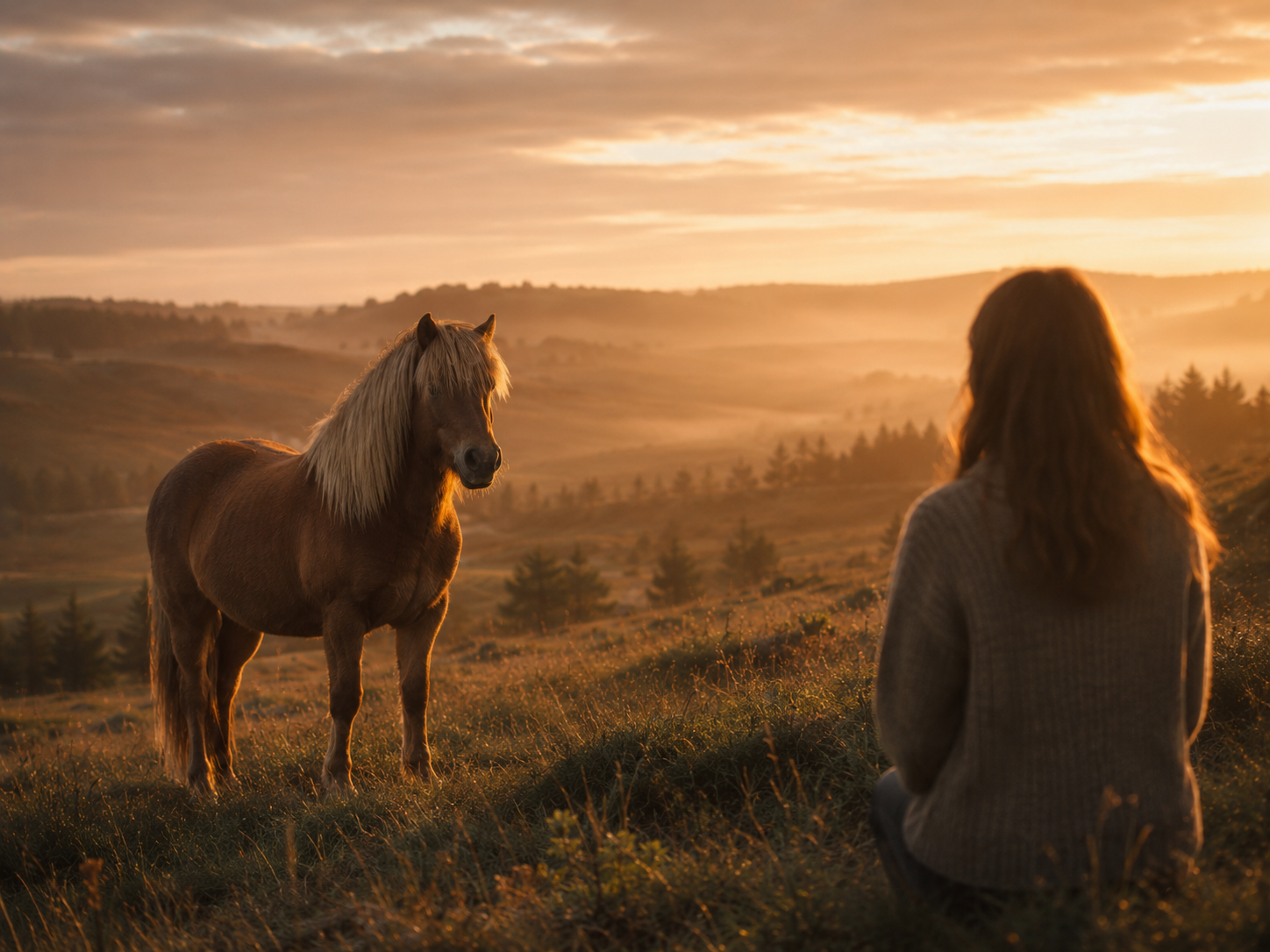
Why the first diagnostic question should often be about the environment, not the horse’s character.
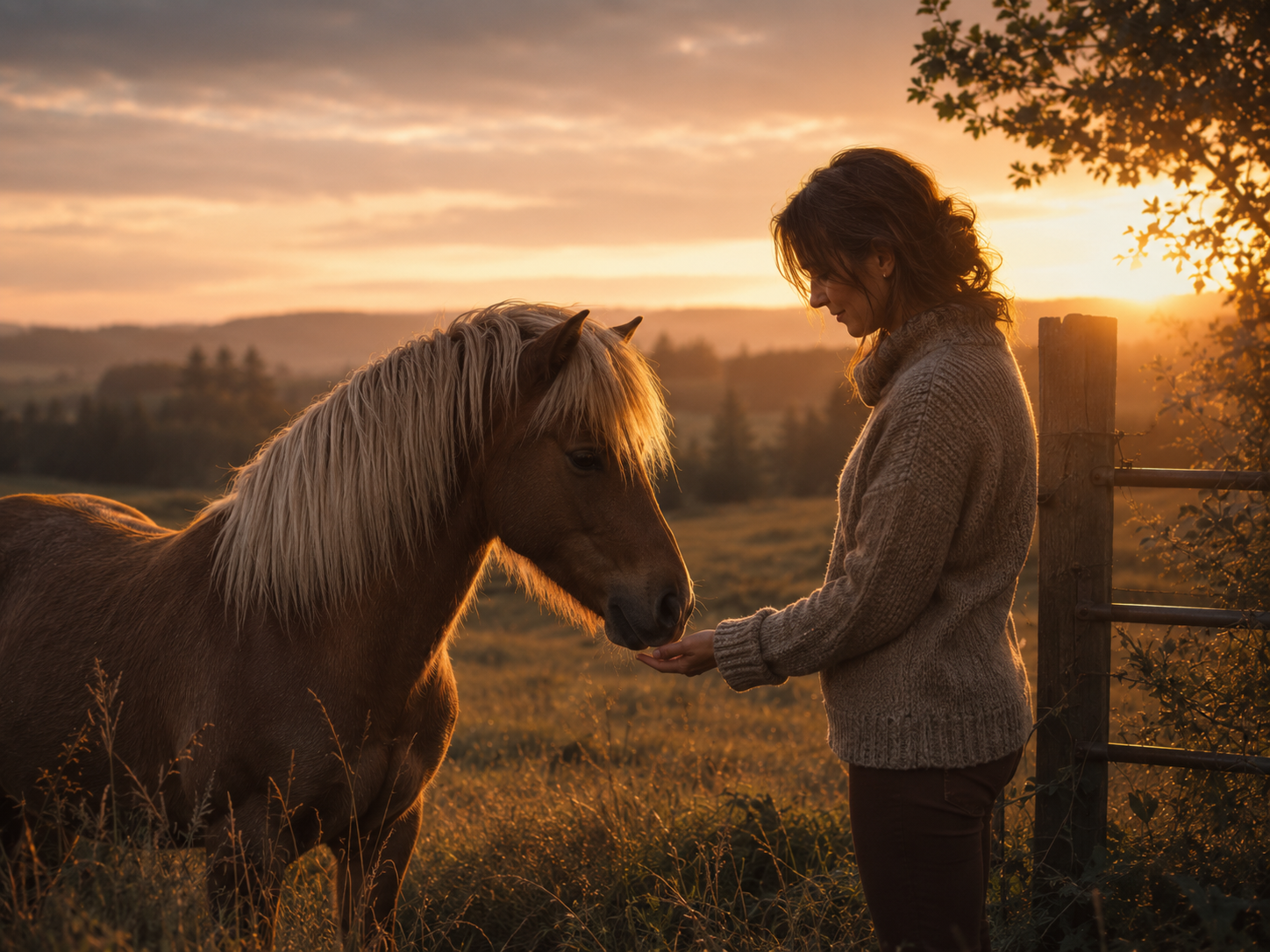
Why the emotional meaning of forage is not only nutrition, but rhythm, predictability, and bodily calm.
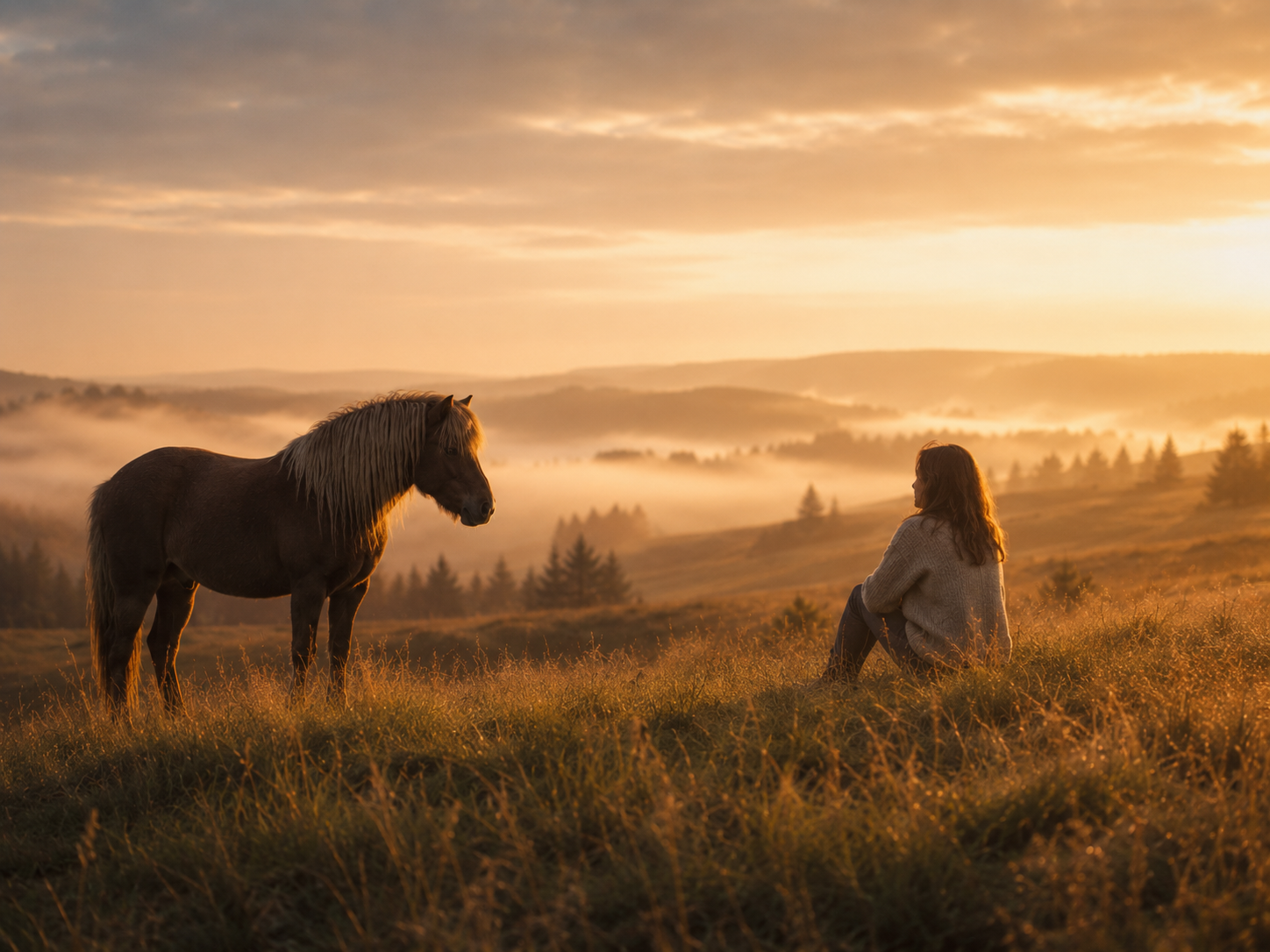
Why ordinary movement across the day may matter more than scheduled exercise alone.
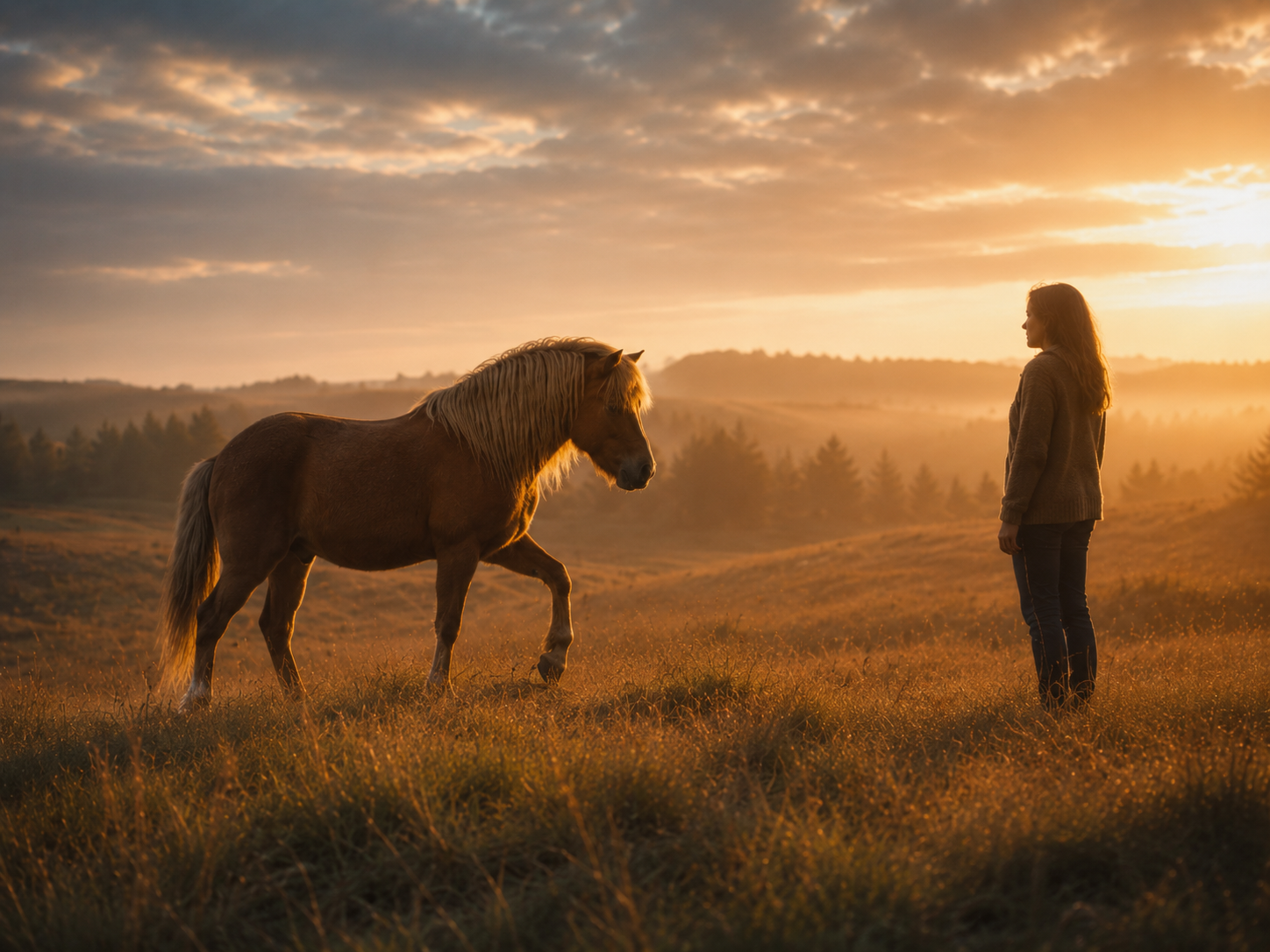
Why trusting natural systems does not mean abandoning responsibility.
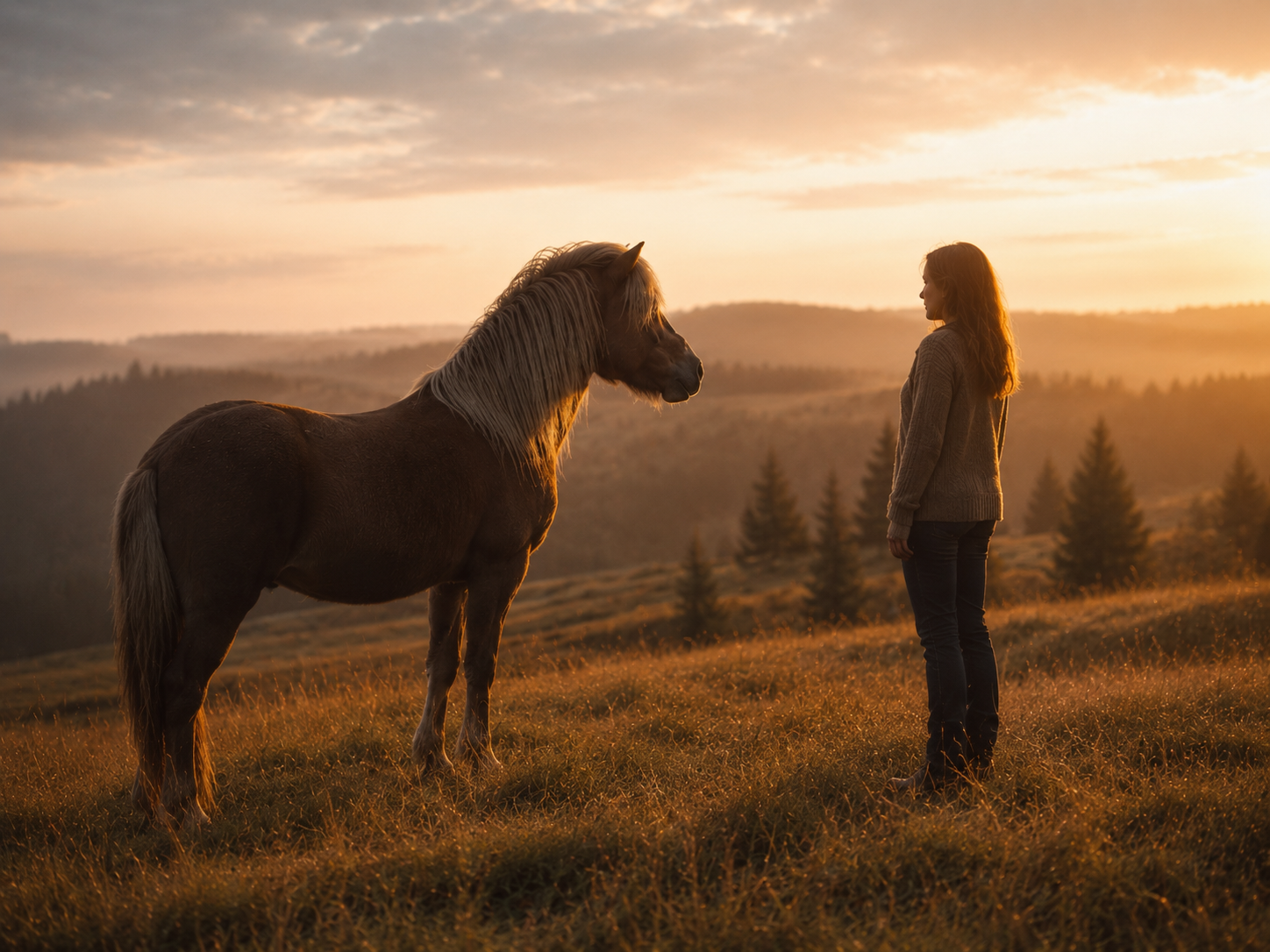
Why the herd teaches timing, distance, safety, and relationship more honestly than human theory.
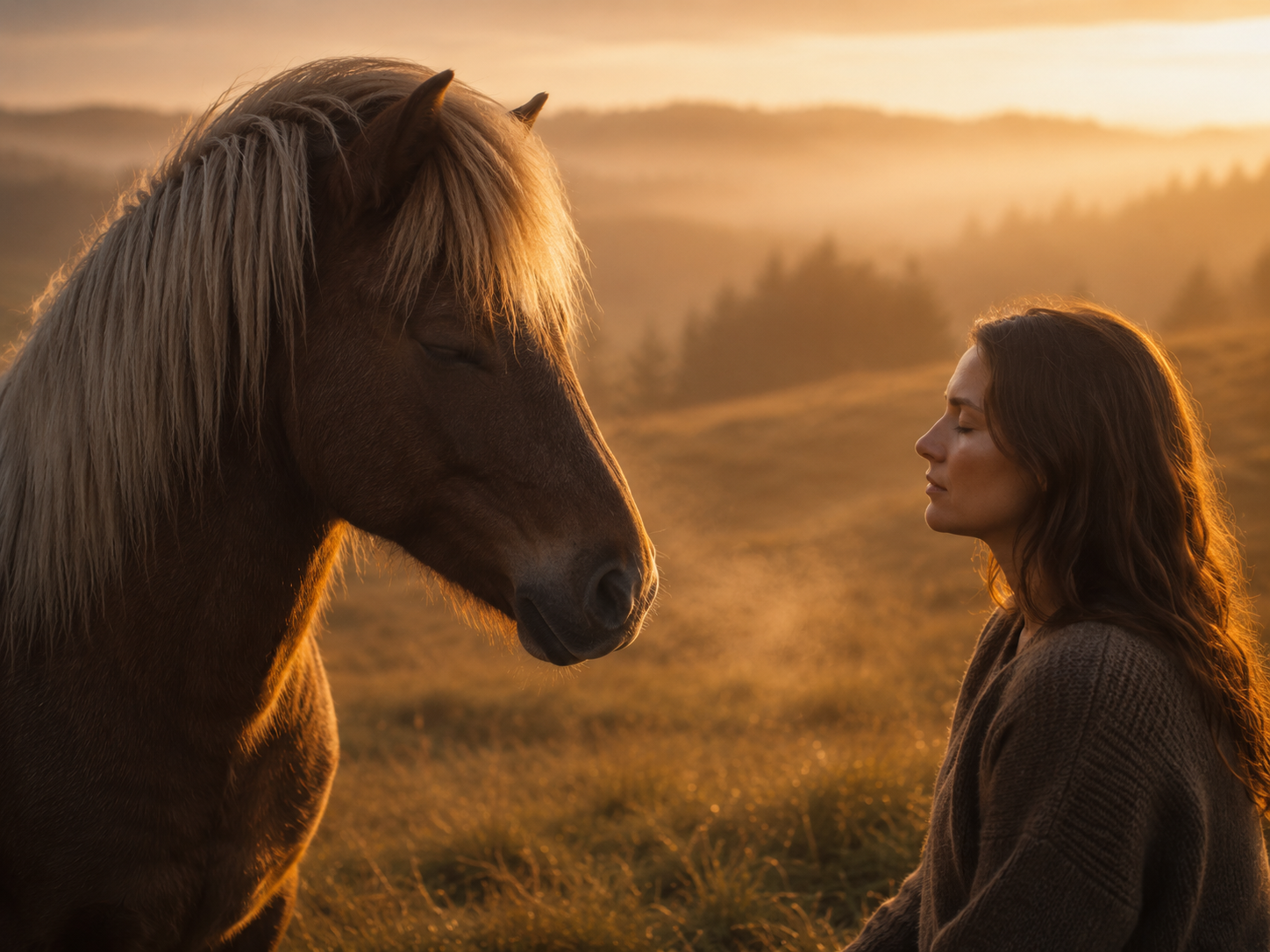
How position in the field can reveal safety, preference, social role, and environmental intelligence.
Explore our services, or discover our approach to understanding horses.
Explore Our Services